Aspen Celebrates 250th Birthday with Old Fashioned Fourth of July Parade
Aspen marked America’s 250th birthday with its annual Old Fashioned Fourth of July parade, drawing crowds and boosting local business revenue along East Hyman Avenue.
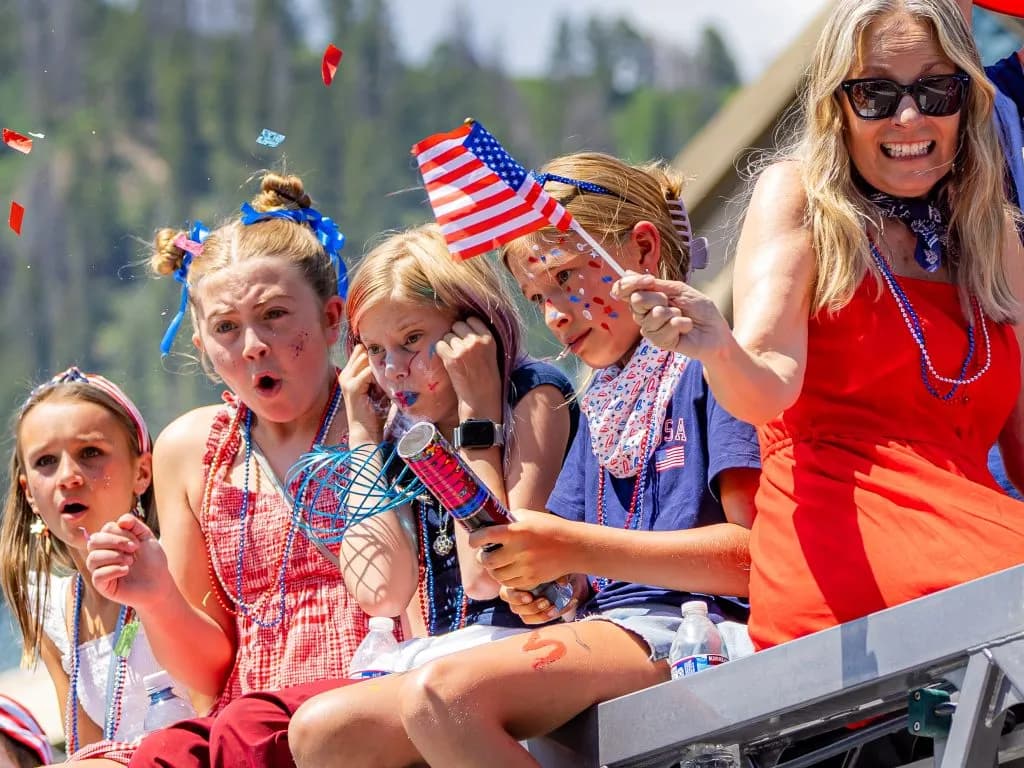
Aspen —The asphalt on East Hyman Avenue still holds the heat from a high-altitude July afternoon. A Chevy K5 Blazer rattles past, followed by the sharp crack of a calliope and the floating drift of soap bubbles against the mountain backdrop. It was Saturday, July 4, 2026, and downtown Aspen had paused for its annual Old Fashioned Fourth of July parade.
To hear the organizers tell it, this wasn't just another holiday event. It was a milestone. The town marked America’s 250th birthday with the procession, blending local tradition with national history.
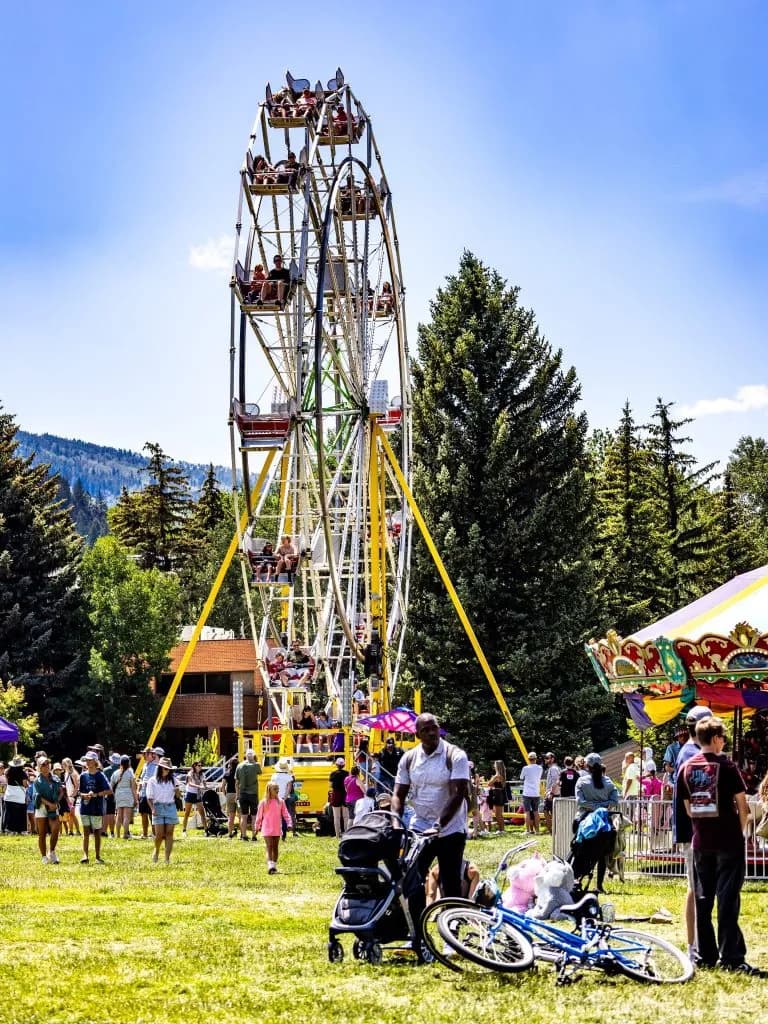
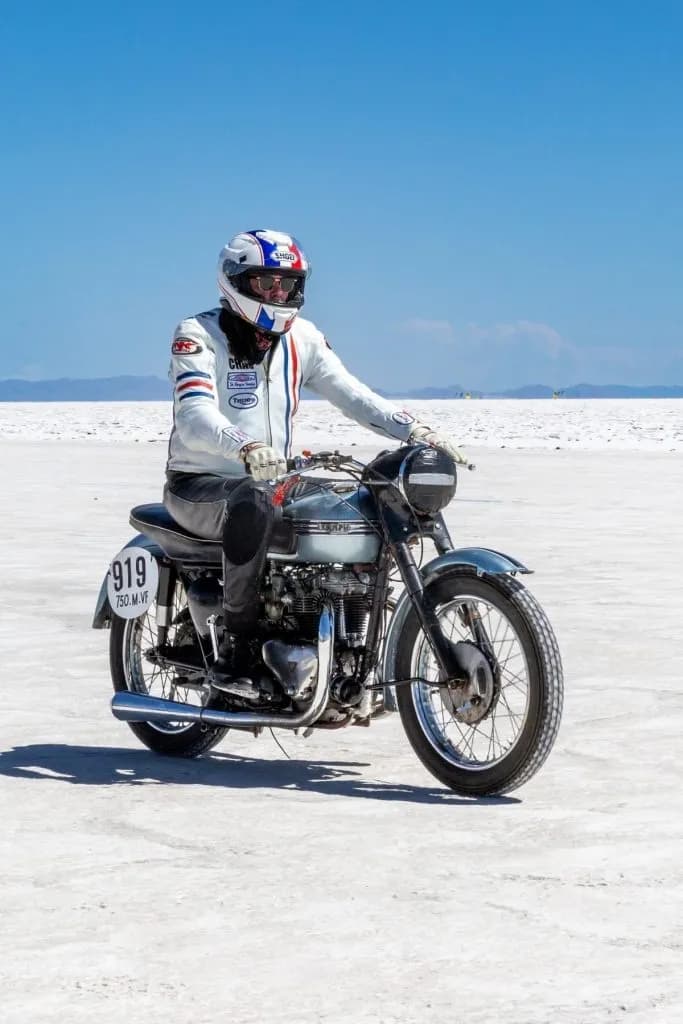
The parade route wound through the heart of Aspen, drawing crowds to the sidewalks. Participants ranged from cowgirls on horseback with the Snowmass Rodeo to motorcyclists kicking up dust. There were floats, too — including one from the Aspen Gymnastics team, where John Bakken helped a young athlete balance on his hands. Another float featured a bearded man in a blonde wig, enjoying the spotlight as he rode past.
The American flag waved in the wind above it all.
For locals, the event was a reminder of what keeps this valley functioning as a community hub, not just a ski resort. The math holds up: when the town shuts down its main streets for hours, local businesses see a spike in foot traffic. Hotels fill up. Restaurants turn away walk-ins. The economic impact of the procession is immediate and measurable, even if the exact dollar figure isn't published in every report.
Austin Colbert documented the scene for the Aspen Times, capturing images that show more than just celebration. He showed a community engaged in its own history. The calliope, an instrument that produces sound via gas or steam, added a layer of old-world charm to the modern mountain town. It’s a detail that matters here. Aspen has always leaned into its quirks, and the procession is no exception.
The question is whether this level of engagement can be sustained as tourism costs continue to climb. To hear them tell it, the event is about connection. It’s about neighbors seeing neighbors. But it’s also about marketing Aspen to the world. Every photo of a float, every shot of a smiling cowgirl, is a postcard sent to potential visitors.
The competitive landscape for Western Slope tourism is tightening. Other towns are investing in their own events to capture the same discretionary spending. Aspen’s strategy seems clear: double down on tradition. The "Old Fashioned" branding suggests a return to basics, which may be exactly what visitors are looking for in an era of digital overload.
Timing matters here, too. The 250th anniversary provides a unique hook. It’s not every year that the country turns 250. Aspen is leveraging that rarity to draw attention, and likely revenue, during a period when the town typically sees high occupancy rates anyway.
The procession ended with motorcyclists taking their turn, engines roaring down the street. The crowd dispersed, leaving behind empty cups and the faint smell of exhaust. The streets were clear by early evening.
For now, the celebration stands as proof of local resilience. But the real test comes next week, when the regular schedule resumes and the numbers are tallied.
"We’re just happy to be here," one participant said, wiping sweat from their brow. "It’s good to see the town together."
Keep up with Aspen
The day's Western Slope news, one email each morning. Free.