Aspen Considers $2.1 Million for Affordable Housing Preservation
The city of Aspen may contribute $2.1 million to preserve affordable housing at Cavern Springs Mobile Home Park in Glenwood Springs, impacting the regional workforce and economy.
Aspen —$2.1 million — that's what the city of Aspen is considering contributing to preserve affordable housing at Cavern Springs Mobile Home Park in Glenwood Springs. This isn't a local issue for Aspen, you might think — the park is 40 miles downvalley. But make no mistake, this will impact Aspen's workforce: more than 120 Cavern Springs residents commute to Aspen for work.
The park's 300 residents are at risk of losing their homes if the land is sold to an outside buyer, an offer is already on the table for $23 million. Colorado law gives residents a chance to counteroffer, potentially turning the park into a "Resident-Owned Community." This model has worked before: Aspen contributed to similar efforts in Basalt and Carbondale, helping those communities maintain affordability.
Aspen Mayor Rachael Richards acknowledges the city's history of investing in mobile home parks; a proud history, she says. The city's contribution would be based on previous funding models, with $2.1 million listed as a potential amount. Other foundations and local municipal bodies have already committed over $1 million. The Department of Local Affairs may contribute an additional $2.5 million, but that funding is contingent on other sources being secured. Councilor John Doyle expressed concerns about setting a precedent - if Aspen contributes to this purchase, will other parks come asking for money when their owners look to sell? But research suggests there are only three other parks between Aspen and Glenwood Springs that are at risk of sale and displacement. Many other parks have already gone through the resident-ownership process or are considered safe due to stable ownership.
The short version: they have until June 13 to make a competitive offer. If they succeed, the park will be preserved as affordable housing, a crucial step in maintaining the valley's workforce. Read that again: 40% of the people living in this park work in Aspen, often six or seven days a week during peak season. This isn't just about Glenwood Springs, it's about the regional economy. Aspen's potential contribution is worth watching, not just for the impact on Cavern Springs but for the precedent it sets. Will other cities follow suit, investing in affordable housing solutions downvalley? The city of Aspen hasn't committed to a solid number yet, but councilors seem largely in support of providing some level of funding. What they're not saying; at least, not explicitly - is how this contribution will affect the city's own affordable housing initiatives. That's a question for another time.
For now, the focus is on the June 13 deadline. Katherine Coe, project organizer at Mountain Voices Project, puts it bluntly: if the park is sold to an outside entity, it will no longer be affordable. The city of Aspen's contribution could be the difference between preservation and displacement. This will cost taxpayers $2.1 million. a significant investment, but one that could pay off in the long run. The question is, what's the real cost of doing nothing?
Keep up with Aspen
The day's Western Slope news, one email each morning. Free.
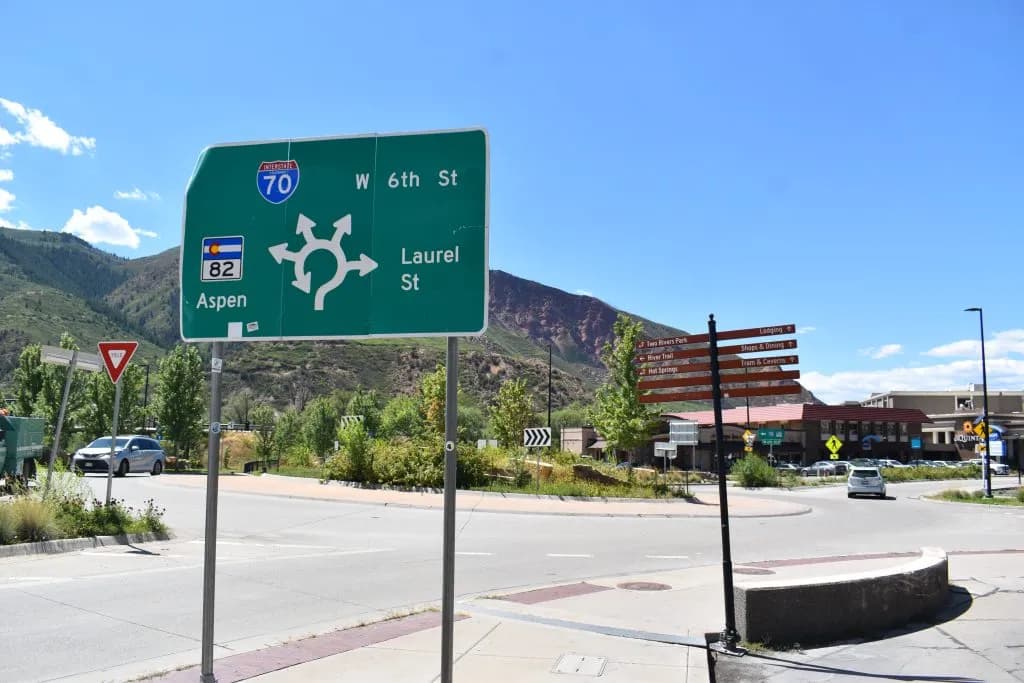
Glenwood Springs Closes I-70 Interchange for $14 Million Road Overhaul

Colorado's New Digital Warrant Law Forces Social Media Platforms to Act Fast