Aspen Hotel Bookings Drop 15% in March Amid Weak Snowpack
Aspen hotel bookings fell 15% in March compared to last year, driven by weak snowpack and high temperatures, though future summer bookings show signs of recovery.
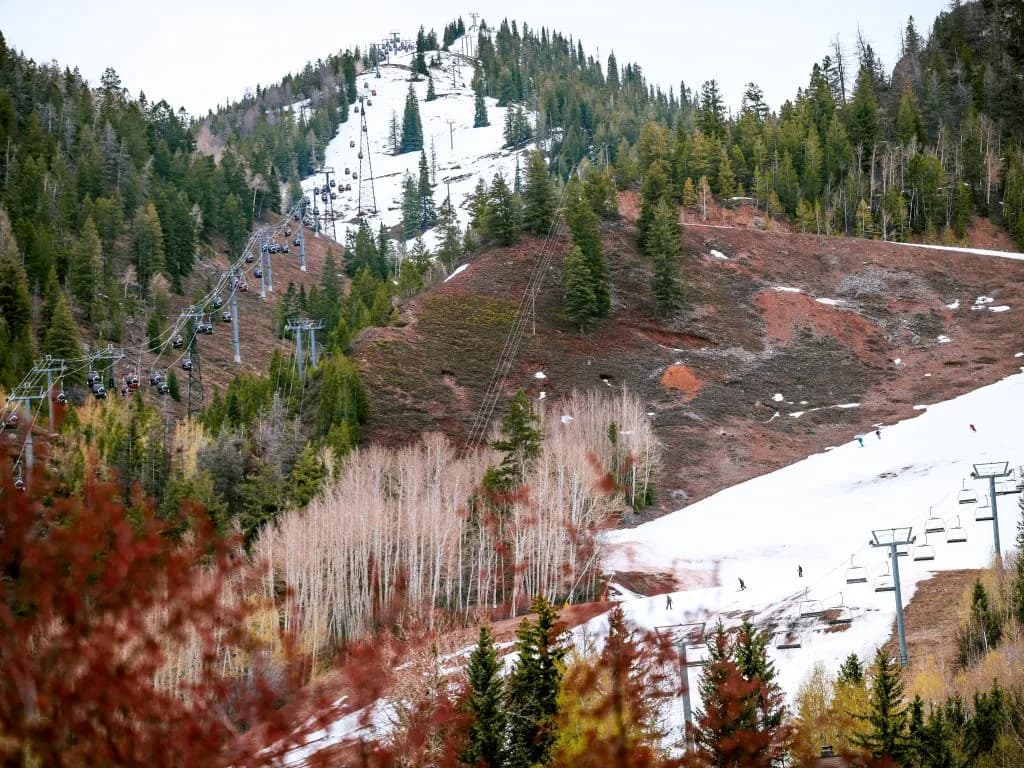
Aspen —Aspen’s hotel rooms are sitting emptier this spring, and the ledger is bleeding red.
March bookings dropped 15% compared to last year. That’s not a rounding error. It’s a significant hit to the local economy, one that ripples through the Roaring Fork Valley’s hospitality sector. The Aspen Chamber Resort Association (ACRA) released the data Tuesday, painting a picture of a tourist destination struggling to find its footing after a winter of mixed signals.
It’s not just about the snow. Or is it?
Eliza Voss, senior vice president of destination marketing at ACRA, didn’t mince words when explaining the dip. “It is clear that snow is an important factor for those considering Aspen for a ski vacation, which in turn has an impact on our local businesses,” Voss said. The snowpack was weak. The temperatures were high. And the tourists stayed home.
The financial hit was twofold. Bookings fell, but so did the price of admission. The average daily rate for a hotel room decreased in March — an anomaly this winter. In February, that rate had jumped nearly 15%, masking the 5% drop in room volume with higher prices per night. But in March, both metrics slid. Hotels lost revenue on two fronts: fewer guests paying less.
This decline didn’t start in March. It’s been a slow bleed since November. For the past four months, occupancy has hovered between 4% and 9% lower than the previous year. It’s a chronic marginal decline that’s eating into the bottom line.
Snow conditions were the obvious culprit, though the correlation isn’t always linear. February saw strong snowfall — about 30% of the total snowpack in the Roaring Fork watershed fell that month. Yet bookings still dipped. March was tougher. The first 10 days brought some snow, but it accounted for only about 7% of total precipitation in the watershed. Then came the heat.
Abnormally high temperatures hit later in March, causing an early melt of the already meager snowpack. Buttermilk closed early. The ski season ended prematurely for one of Aspen’s four main mountains, and the booking data reflected that reality.
There’s another layer to this story, one that affects the international traveler. ACRA’s past reports have flagged a general decline in how international tourists perceive the United States as a destination. That’s a structural issue, not just a weather one. International inbound travel typically contributes about 10% of total tourist traffic in Aspen. When that segment shrinks, it hurts.
But here’s the thing though: spring might be turning the corner.
ACRA’s Retail Report, which tracks future booking trends, shows growth ahead for the first time since the winter slump began in November. Late April and early May are pacing ahead of 2025 numbers. Some dates are up by a few percentage points; others are climbing more than 10%. Mid to late May 2026 also looks promising, pacing ahead of May 2025 by similar margins.
“Generally speaking, summer looks to be pacing ahead at this time,” Voss said.
It’s not a guarantee. Voss noted that “there are a number of factors outside of our control that can impact how those actualize.” Global events, exchange rates, and yes, the weather itself, can shift the goalposts. But for now, the data suggests a rebound.
The immediate future is bright. The long-term trend remains uncertain. Locals watching the hotel occupancy reports are breathing a sigh of relief, even if the March numbers still sting. The snow melted. The Buttermilk gates closed. But the summer bookings are filling up.
Keep up with Aspen
The day's Western Slope news, one email each morning. Free.


The digital counter on the side of the bus in Carbondale ticks over, but the seats inside are half-empty

Eagle County Launches Aging Well Roadmap To Keep Seniors Housed