Glenwood Springs Wins $1.3 Million State Grant for Canyon Vista Apartments
Glenwood Springs secures $1.3 million in state funding for the 80-unit Canyon Vista affordable housing project, bringing the development closer to breaking ground.
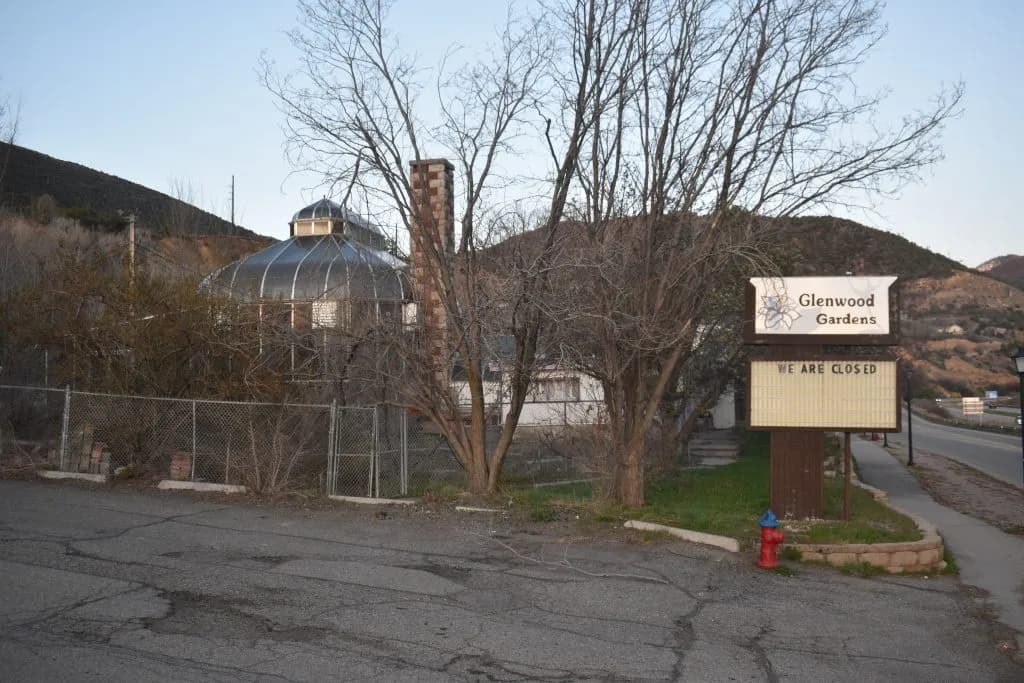
Glenwood Springs —“Affordable housing projects are some of the most difficult to get across the finish line, and these state dollars brighten the possibility of this project being a reality.”
Mayor Marco Dehm didn’t just say it was good news. He said it was fantastic news. And for the folks watching the Canyon Vista Apartments project from the sidelines of U.S. Highway 6, that kind of enthusiasm is rare. Usually, when a development this size hits the financial review stage, you hear about delays, budget overruns, or the inevitable fight over parking. This time, the state stepped in with $1.3 million in preliminary funding support, pulling the project one step closer from the realm of architectural renderings to actual bricks and mortar.
The money comes from Colorado’s Proposition 123 Concessionary Debt program. It’s a $19.6 million package distributed across nine housing developments statewide, designed to offset the specific pain points hitting builders right now: rising interest rates and construction costs that seem to jump every time you blink. Glenwood Springs isn’t getting the whole pie, but the slice is significant. It’s a direct subsidy to keep the project solvent when the market gets shaky.
Picture this: a site between Highway 6 and Donegan Road. Currently, it’s just land and permits. In the future, it’s two residential buildings. Eighty units. Studios, one-, two-, and three-bedroom layouts. The plan includes solar components, on-site amenities, and a relocated RFTA stop to make commuting to the airport or the valley floor easier. But the real story isn’t the solar panels. It’s who gets to live there.
The development targets residents earning between 20% and 80% of the area median income. That’s a wide net. It’s not just for the teachers and nurses who can’t quite afford market rate, but it’s also not exclusively for the lowest-income bracket. It’s for the regular folks. The ones Dehm mentioned. The ones whose housing costs have been spiraling out of proportion with their paychecks for years.
This state award is the latest boost in a project that has already eaten up a lot of city resources. In December, the Glenwood Springs City Council unanimously approved a $3.8 million financial package for Canyon Vista. City staff called it the largest single affordable housing investment in the city’s history. Add the state’s $1.3 million to that, and you’re looking at over five million dollars in public backing for a single 80-unit complex. That’s not pocket change. That’s a commitment.
Thomas Bryan, executive director of the Colorado Housing and Finance Authority, noted that these selected developments represent “new opportunities for housing stability for hundreds” of people. It’s a broad claim, but in a town where housing stock is tight and new construction is slow, stability is the currency that matters. The project has already cleared major hurdles, including land-use approvals and a state-required 1041 review due to its proximity to the highway. It’s not just a idea anymore; it’s a permitted, funded, and politically backed reality.
Gov. Jared Polis framed the statewide rollout as a way to “expand housing options and grow stronger communities,” creating opportunities for people to live close to jobs and schools. For Glenwood Springs, that proximity is key. The relocated RFTA stop isn’t just a convenience; it’s a lifeline for those who don’t have cars or can’t afford to drive the commute to the airport every day.
Dehm added that everything takes time, but each win is energizing. He’s right. In local politics, momentum is everything. You can have the best architectural plan in the world, but if you can’t close the financing, you don’t get built. The state’s preliminary award doesn’t just fill a budget gap. It signals to developers and investors that the risk is manageable. It tells the community that the city isn’t just talking about affordability; it’s paying for it.
The project serves residents earning between 20% and 80% of area median income. That’s the metric. That’s the target. And now, with the state’s money in the pipeline, the target is finally in sight. The construction crews might not be there next week, but the financial foundation is being poured. And for a town that’s been waiting for this specific type of housing for a long time, that’s the only view that matters.
Keep up with Glenwood Springs
The day's Western Slope news, one email each morning. Free.

Twin Lakes Releases 2,500 Acre-Feet to Save Upper Arkansas River

Glenwood Springs Resident Calls for Active Citizenship Amid AI Data Center Water Threats