CDOT Warns of Major Delays on I-70 West Vail Pass
CDOT Executive Director Shoshona Lew warns that I-70 construction in the West Vail Pass will intensify starting April 20, with significant rock scaling and lane shifts causing expected delays for commuters.
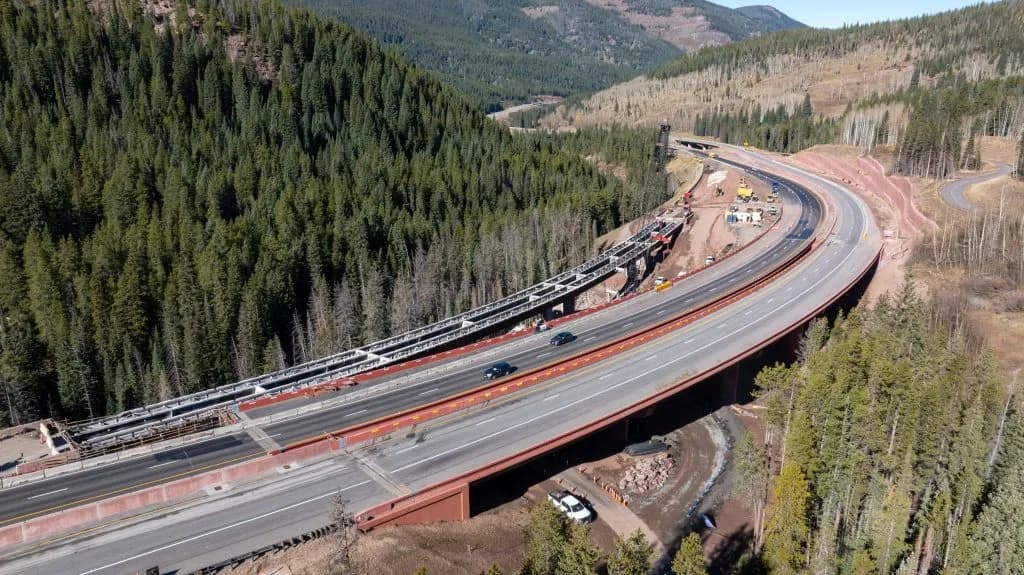
Aspen —The obvious take on the West Vail Pass Auxiliary Lane Project’s final year is that it’s a victory lap. You’ve got the bridges up, the lane is mostly done, and the traffic is flowing. So why does CDOT Executive Director Shoshona Lew sound like she’s bracing for impact?
Because the easy part is over.
The construction resumes Monday, April 20, and it’s going to get messy before it gets better. This isn’t just a few potholes and a flagger. This is the phase where crews dig into the rock, scale the cliffs at The Narrows, and shift the entire geometry of the highway to install that new 2.7-mile eastbound auxiliary lane.
“The question is whether you’re prepared for the reality of construction in a mountain pass,” Lew said. “As we enter the final season of this critical project, our focus is on a safe and successful project completion.”
It’s a polite way of saying: expect delays.
The project began in 2021 with a simple goal — improve safety and operations along a roughly 10-mile stretch of I-70. Locals know that stretch well. It’s the bottleneck that turns a two-hour drive from Glenwood Springs into a four-hour crawl when a semi gets stuck on a grade. The auxiliary lane was supposed to fix that by separating slow-moving commercial vehicles from passenger traffic.
But the final year brings a specific set of headaches.
Starting in May, crews will shift traffic into a head-to-head, barrier-separated alignment in the new eastbound lanes. That means if you’re driving westbound toward Vail, you’re not just dealing with one lane closed. You’re dealing with a complete reconfiguration of the roadbed.
Then comes June. From early to mid-June, rock scaling is expected. That’s the sound of hammers hitting granite, and it means traffic holds. Mondays through Thursdays, from about 9:30 a.m. to 2:30 p.m., you’ll be sitting on I-70.
“Every element of this work will make Vail Pass more resilient, reduce crashes and closures and provide a more reliable and enjoyable trip for everyone traveling on the I-70 mountain corridor,” Lew said.
It’s a lot of promise for a lot of pain.
The project includes six wildlife crossings, an avalanche and rockfall mitigation system for The Narrows, and resurfacing of westbound I-70. It also includes landscaping and final improvements to the recreation path between the new bridges.
The bridges themselves are a highlight. Two new bridges, designed to last 100 years, are already in place. They offer improved curve geometry, which means smoother turns for those of us who still get nervous on the descent. But the new lane — the thing that actually moves the needle on traffic flow, is still being finalized.
The impact on your commute is predictable, if not pleasant. Beginning April 20, there’s a possibility of daily single-lane closures along eastbound and westbound I-70 from Mile Post 180 to 190. That’s the heart of the pass. That’s where you’ll feel it.
Night work is possible anytime, but it’s expected to become more consistent from the summer through the end of the project. If you live in Basalt or Avon, you’re already used to the rumble of heavy equipment at odd hours. This will be louder.
The Vail Pass Recreation Path will remain open. That’s good for the trail runners and the mountain bikers who use that corridor. But don’t expect it to be pristine. Intermittent trail holds for construction access may occur, and variable trail conditions could exist through construction areas. There are no anticipated extended recreation path holds scheduled this summer, but the path is right next to a highway that’s being torn apart and rebuilt.
The best way to stay up to date is to text “vailpass” to 21000. There’s also a project information line at 970-688-8233. You can get weekly updates at Subscription.COTrip.org. But you don’t need a text alert to know that driving on I-70 this summer will require patience.
The project is entering its final year, but the work isn’t done. The eastbound lane is the key to unlocking the pass’s capacity, but it’s only useful if you can get through the construction phase to use it.
“Every element of this work will make Vail Pass more resilient,” Lew said.
Resilient is a strong word for a highway that’s been closed for decades due to avalanches and rockfalls. But if the new mitigation systems hold, and if the added lane keeps the semis from blocking the exit lane, then maybe the word fits.
The traffic holds are temporary. The bridges are permanent. The question is whether the temporary pain is worth the long-term gain. For now, the answer is yes. But don’t say CDOT didn’t warn you.
Keep up with Aspen
The day's Western Slope news, one email each morning. Free.

S&P 500 Slips Modestly as Weak Retail Sales and Oil Prices Drive Market Correction

Aspen Essay Connects Generations Through Highway 82 Landmarks