Chef Collin Kelley Plans 4,500-Square-Foot Mercantile at Steamboat Basecamp
Chef Collin Kelley submits plans for a 4,500-square-foot Forty West Mercantile at Steamboat Basecamp, aiming to break ground this summer and open by spring 2027 as a vertical integration hub for his restaurant empire.
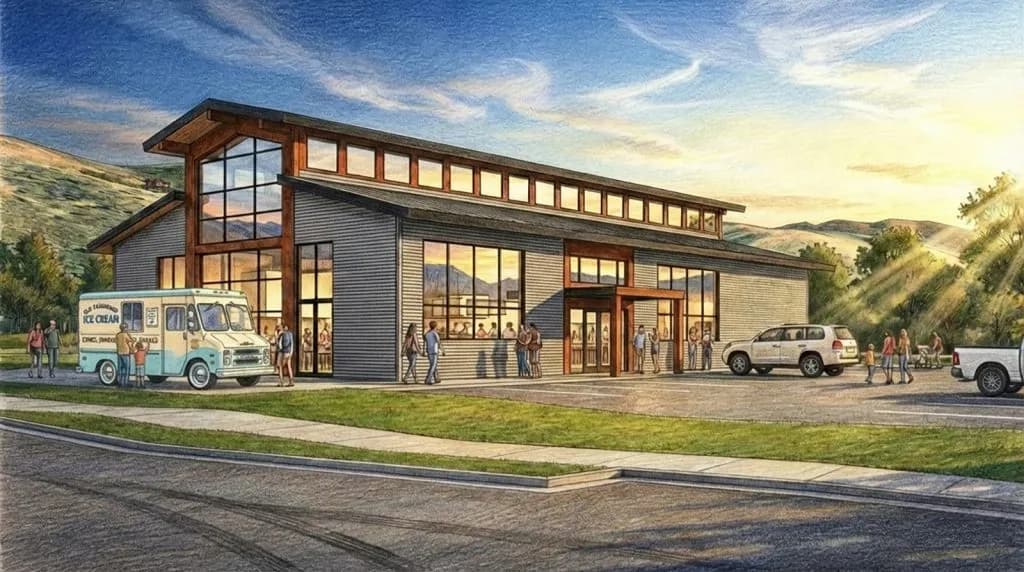
Steamboat Springs —A 4,500-square-foot footprint. Two 6,000-pound ovens. One chef betting his reputation that locals will trade their morning croissants for a European-style market experience on the west side.
Restaurateur and chef Collin Kelley is submitting the development packet for the Forty West Mercantile to the city this week. The timeline is aggressive. Kelley aims to break ground by the end of summer, with a completion target of spring 2027.
That’s a long wait for a coffee shop. But Kelley isn’t just building a market; he’s building a supply chain.
The ground floor will house the retail space, but the real money and logistics are in the back-of-house operations. The mercantile will feature a pizza kitchen, a deli counter, and stations for baked goods and fresh extruded pastas. But here’s the kicker: it’s not just a grocery store. It’s a production hub for Kelley’s existing empire.
“You will be able to get the exact same steaks that we sell at Primrose or Cypress out of the meat case,” Kelley said.
The market will cut all the steaks for his restaurants. It will have a seafood case with fresh oysters and the same high-end fare served at his dining rooms. You can dine in, or head home to prepare it yourself. It’s a vertical integration play, wrapping retail, food service, and wholesale into one brick-and-mortar package at Steamboat Basecamp.
The location matters. Basecamp is a known entity on the west side, but filling that space with a dedicated mercantile changes the density of commercial activity in that corridor. Kelley says the project includes a dairy case with local eggs and select cheeses, plus an ice cream truck selling scoops on-site. Soft serve will be available, and customers can have their ice cream hand-dipped inside.
“It will be open to the public for retail baked goods, but we’re not trying to make the bakery self-sustaining,” Kelley said.
This is the second phase of his west-side expansion. Last month, Kelley took over the space vacated by the former Big Iron Coffee. He’s currently purchasing two massive commercial ovens that need delivery and installation before opening. That spot will open in July, operating as a coffee shop and bakery until the main mercantile doors swing open next year.
The logic is simple. Many local bakeries were too busy to supply his restaurants. So he opened his own. The bakery feeds the restaurants and the mercantile. Once the mercantile opens, that’s where you’ll find the freshest goods.
Upstairs, a mezzanine will offer prepared food and drinks, with large garage doors opening to a west-side patio. It’s designed for all-day consumption: morning coffee and croissants, midday smoothies after a workout, post-school ice cream, and late-night bar elements.
Let’s look at the capital expenditure implied here. We’re talking about a 4,500-square-foot build-out plus a separate commercial bakery space with heavy industrial equipment. Kelley is buying the ovens now. He’s submitting the packet now. Groundbreaking is summer. That means permitting, inspections, and construction will eat up the next two years.
For context, this isn’t a pop-up. It’s a permanent fixture at Steamboat Basecamp, competing directly with existing retail and food service options in the immediate vicinity. The focus on supplying his own restaurants means the mercantile isn’t just a retail store; it’s a distribution center with a storefront.
The practical impact for locals? More commercial activity on the west side, likely higher traffic at Basecamp during peak hours, and a new option for premium meats and baked goods that doesn’t require driving downtown. The cost of that convenience is the tax base supporting the infrastructure and the competition for existing small businesses who can’t match Kelley’s vertical integration.
Kelley says the bakery is open to the public, but admits the mercantile will be the primary destination for those goods once it opens. It’s a controlled ecosystem. You buy the steak, you buy the bread, you buy the coffee. All from one roof.
Keep up with Steamboat Springs
The day's Western Slope news, one email each morning. Free.