Aurora Paramedics Get New Trials After Court Fixes Jury Instructions
The Colorado Court of Appeals reverses the criminal negligence convictions of Jeremy Cooper and Peter Cichuniec, ordering new trials because jury instructions incorrectly defined negligence instead of professional standards.
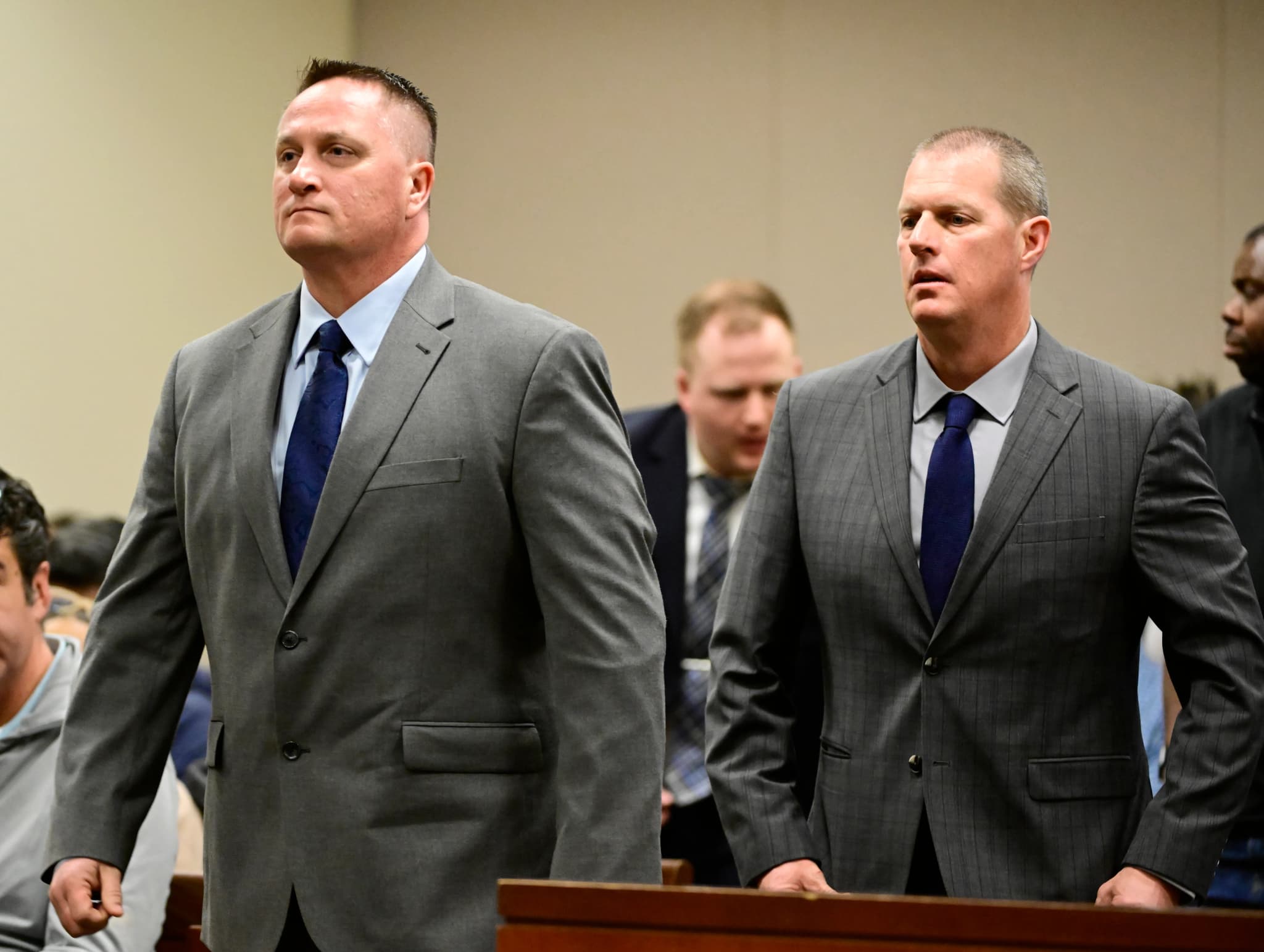
Colorado —The dust still settles on the Adams County Justice Center, but the legal dust is just beginning to swirl again for two former Aurora paramedics. On Thursday, the Colorado Court of Appeals handed down a ruling that undoes the criminal negligence convictions of Jeremy Cooper and Peter Cichuniec, the medical responders at the center of Elijah McClain’s 2019 death. They will have to do it all over again.
It’s a reversal that hinges on a technicality with teeth: how the jury was told to interpret "criminal negligence." The appeals court found that the lower court misled jurors by telling them to use the "common and ordinary meanings" of words when deciding guilt. In reality, the standard wasn’t about what a generic reasonable person would do. It was about what a paramedic in Cooper’s specific profession should have done under those exact, chaotic circumstances.
“The proper standard wasn’t that of a generic reasonable person but of a person in Cooper’s profession under the existing circumstances,” the court wrote in its opinion.
That distinction matters. If you’re a neighbor in Aurora walking home from a convenience store and a cop tells you to stop, you might shrug it off. If you’re a paramedic with a bag of drugs and a duty of care, you’re held to a higher, more specific bar. The court ruled that by not clarifying this, the judge failed to shine light on the issue — and in fact, misled the jury.
Cooper and Cichuniec were tried together in December 2023, overseen by Adams County District Court Judge Mark Warner. Cooper injected McClain with ketamine; Cichuniec was the senior responder on scene. Both were convicted of criminally negligent homicide. But they appealed separately, arguing the jury instructions were flawed.
The appeals panel agreed with Cooper’s argument and, because the two men were tried on identical theories of guilt with sufficiently similar evidence, extended that victory to Cichuniec as well.
“The two were tried on identical theories of guilt and the evidence against them was, while not identical, sufficiently similar that we can’t conclude that the errors were harmless as to Cichuniec,” the court noted.
McClain, a 23-year-old Black massage therapist, died after Aurora police forcibly detained him. Officers claimed he was resisting. The paramedics then injected him with an overdose of ketamine. He went into cardiac arrest on the way to the hospital and died three days later.
The question now is whether a new trial will stick. The court ordered new trials for both men, but it didn’t just hand them a free pass. It emphasized that these errors weren’t harmless beyond a reasonable doubt. That’s a high bar. It means the mistakes in the courtroom were significant enough that they might have changed the outcome.
For the community that watched this unfold over the last few years, the reversal is a pause, not a verdict. The paramedics are back to square one, facing the same charges, the same evidence, and now, hopefully, a clearer instruction manual for the jury.
“The numbers back that up,” as the court put it, when it looked at the similarity of the cases. But the real test is whether the next jury, properly instructed, sees the same negligence.
As the court’s opinion makes clear, this isn’t just about semantics. It’s about who gets judged by whom. If you’re a paramedic, you’re not just a person with a medical bag. You’re a professional. And the law says you should be judged like one.
Time will tell if the next trial brings a different result. But for now, Cooper and Cichuniec are free to prepare their defenses, and the people of Aurora are waiting to see if the system got it right the first time, or if it just needed to be told to look closer.
Keep up with Colorado
The day's Western Slope news, one email each morning. Free.
Steamboat Recommends E-Motorcycle Education to Clarify Rules
BLM Clears 113 Roan Plateau Parcels for December 2026 Oil and Gas Lease Sale
Southern Colorado Releases 2,500 Acre-Feet to Save Drying Arkansas River
Federal Report Sets 200,000 Acre-Foot Water Conservation Target for Upper Basin
Colorado Parks and Wildlife Deploys Precision Drones for Weed Control