Basalt Installs Speed Cameras Amid Surveillance Concerns
The town of Basalt has voted to install speed cameras, sparking concerns about surveillance and data privacy among residents, despite assurances from the town council and the camera operator, DACRA Tech.
Aspen —Make no mistake — Basalt's new speed cameras are not just about safety. The town council's 6-1 vote to install these cameras has sparked concerns about surveillance and data privacy. Councilor Hannah Berman's switch from prior approvals to a "no" vote is telling — she cited concerns from the community about federal access to driver information.
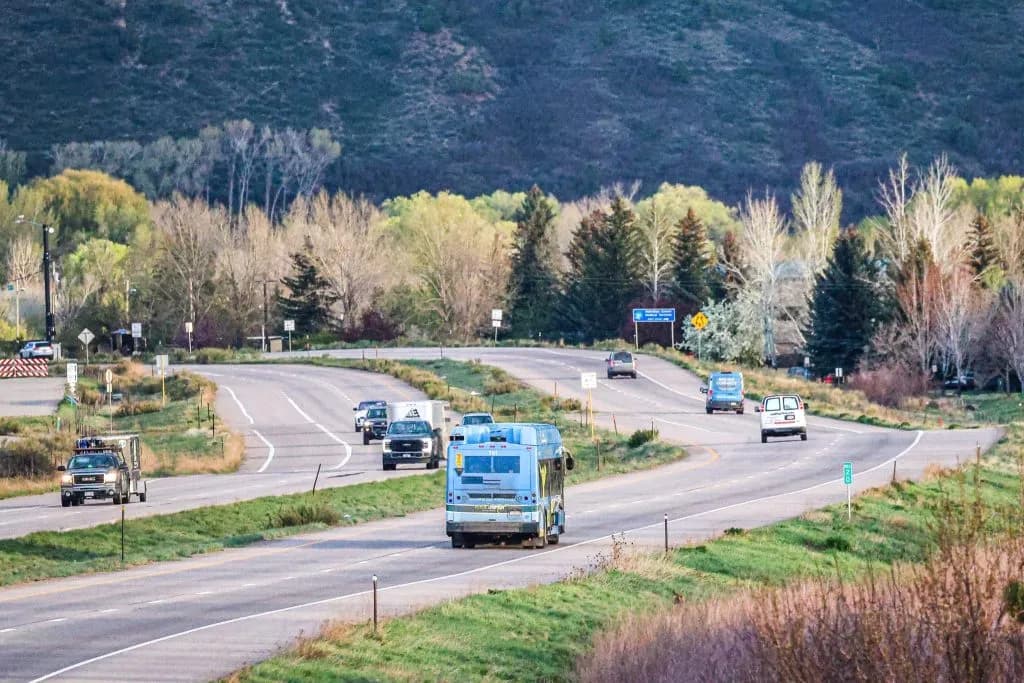
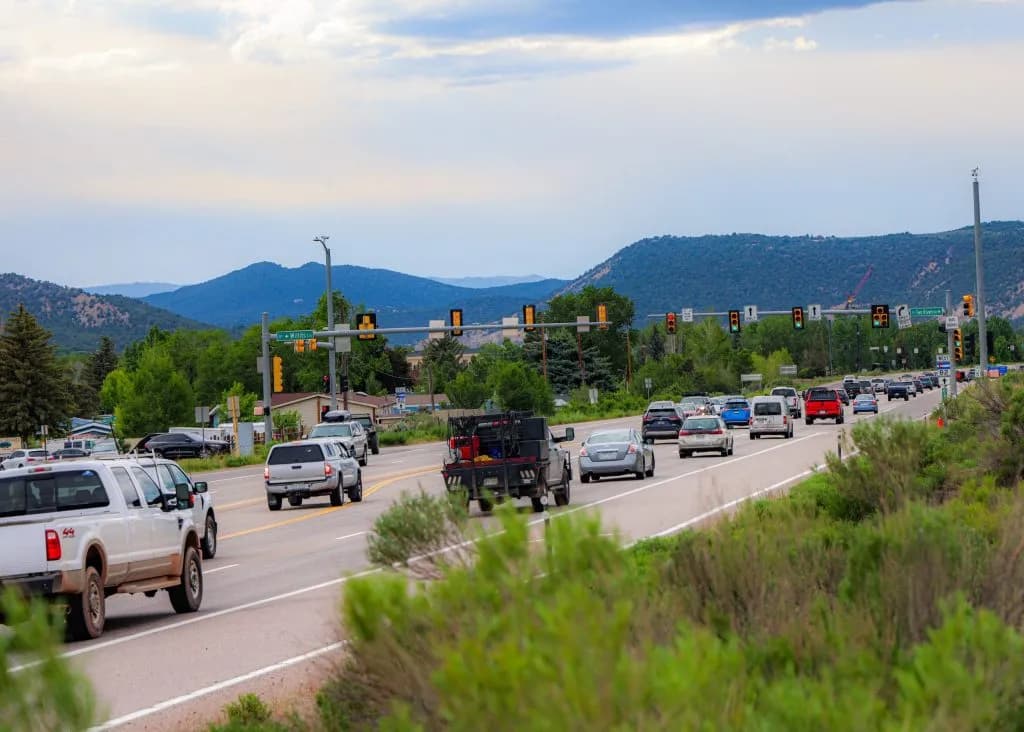
The cameras, operated by DACRA Tech, will be placed at four locations, including Original Road and Two Rivers Road. They'll only take images of violators' cars when they exceed a predefined speed threshold, which hasn't been defined yet. The speed limits at these locations are 55 and 45 miles per hour, respectively.
Basalt Police Chief Aaron Munch argues that the automated system is more secure than traditional ticketing methods. He claims that data is more accessible to federal authorities when a police officer issues a citation. However, this doesn't address the core concern: the potential for federal authorities to access this data without consent.
A bipartisan bill in the Colorado Senate aims to limit out-of-state law enforcement access to data from similar cameras. This is worth watching; it could set a precedent for how data from these cameras is handled.
DACRA Tech's contract with the town explicitly states that traffic camera data cannot be shared with outside entities and is the property of Basalt. But, as Councilor Berman noted, this hasn't alleviated concerns from community members. The short version: people are worried about their data being shared without their knowledge or consent.
The town council's decision has implications for locals who commute through Basalt. These cameras will be watching - and potentially tracking - drivers who exceed the speed limit. It's a trade-off between safety and surveillance. Folks around here should be aware of the potential risks and benefits. The cameras are not the same as those used by Flock Safety, which have been installed in Glenwood Springs and are being considered in Aspen. However, the concerns about data privacy and federal access are similar. It's a complex issue, one that requires careful consideration of the potential consequences. Read that again: the contract between DACRA Tech and the town of Basalt explicitly states that data cannot be shared. But what happens if the law changes? What happens if federal authorities demand access to this data? These are questions that the town council and Basalt residents should be asking. The community's concerns are not unfounded. There have been numerous conversations around federal immigration authorities accessing data from similar cameras without consent. The fact that DACRA Tech's cameras are separate from Flock's license plate reader cameras doesn't necessarily alleviate these concerns.
As the town of Basalt moves forward with the installation of these cameras, the potential consequences must be weighed against the intended benefits. The town council's decision may have been made with the best of intentions to improve safety, but the potential risks to data privacy and surveillance are significant. The cameras will change the way people commute, and that's a fact worth considering. The town council's decision will be revisited if concerns about surveillance and data privacy persist, and locals should be aware of the potential implications of these cameras.
Keep up with Aspen
The day's Western Slope news, one email each morning. Free.
Glenwood Springs Closes I-70 Interchange for $14 Million Road Overhaul

Colorado's New Digital Warrant Law Forces Social Media Platforms to Act Fast