Basalt Police Chief Proposes $3,000 License Plate Readers and Drone Network
Basalt Police Chief Aaron Munch pitches a plan for $3,000 license plate readers and a strategic drone network to improve situational awareness and crime solving, raising questions about data privacy and long-term costs.
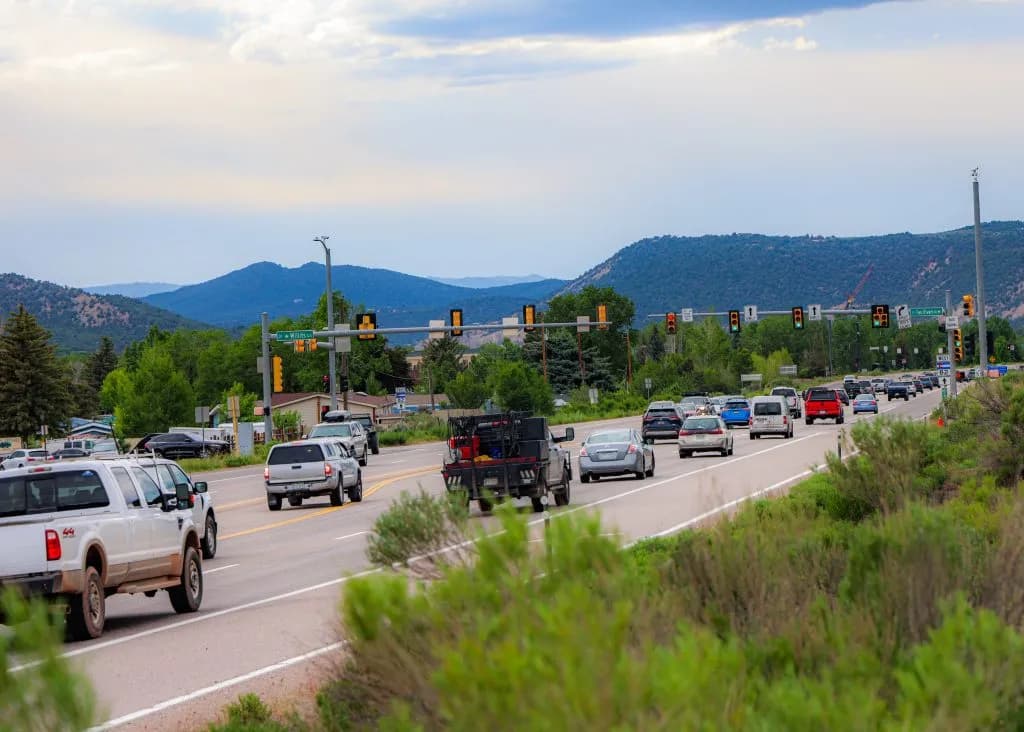
Aspen —Basalt Police Chief Aaron Munch wants to spend roughly $3,000 per license plate reader. That’s the sticker price for the hardware, but the real cost isn’t just in the box — it’s in the data, the subscriptions, and the potential for your car to be tracked every time you drive down Castle Creek Highway.
The department is pitching these readers, along with a drone network, as a way to solve crimes faster. Munch presented the plan to the Town Council on Tuesday, arguing that seeing a license plate before officers arrive on the scene changes the game. It’s not just about catching speeders; it’s about situational awareness. When a call comes in, the camera tells them what’s happening in the vicinity, remotely.
Let’s look at the tech. The department is looking at Axon, the same company that supplies their Tasers and body cams. Munch says the data stays in Basalt. It doesn’t get shipped off to some federal agency or a third-party cloud server. That’s the selling point. He’s worried about the "unfortunate series of events" regarding data sharing with federal entities. If you buy the camera, you own the data. Or at least, you lease the right to keep it.
Speaking of leasing, Munch suggests leasing might be smarter than buying outright. Technology moves fast. Buy a camera today, and in five years, it’s obsolete. Lease it, and you upgrade. It’s a subscription model for public safety. You pay monthly, you get the latest gear, you don’t own the risk of obsolescence.
Then there are the drones. The police haven’t picked a vendor yet. They want to build "strategic" drone stations around the valley. Strategic is a nice word. It usually means "where the budget allows" or "where we can get a permit." The goal is to have drones act as first responders, flying to the scene before the cruiser gets there.
This follows the council’s March decision to install DACRA Tech speed cameras in four locations. So, we’re layering surveillance on top of enforcement. The speed cameras are for getting you. The license plate readers are for knowing who you are. The drones are for seeing what you did.
Munch says he’ll return to the council soon to propose the tech formally. He wants to ensure everyone is comfortable with the security of the data. He’s not worried about data sharing because policies can be put in place. Policies. That’s the bureaucratic shield. It sounds good on paper. In practice, it means your license plate is being scanned, stored, and potentially cross-referenced, all while you’re trying to get to the grocery store or the high school football game.
The cost structure is flexible. Lease or buy. It depends on how the department decides to finance it. But make no mistake: this is an investment in visibility. For the folks in Basalt, it means more eyes on the road. Whether that translates to fewer burglaries or just more tickets is the real question. The hardware is ready. The strategy is preliminary. The price tag is just starting to add up.
Keep up with Aspen
The day's Western Slope news, one email each morning. Free.