Bennet and Weiser Compare Tax, Water, and Housing Plans
U.S. Senator Michael Bennet and Attorney General Phil Weiser outline their differing approaches to taxes, water storage, and housing in a tight race for Colorado governor.
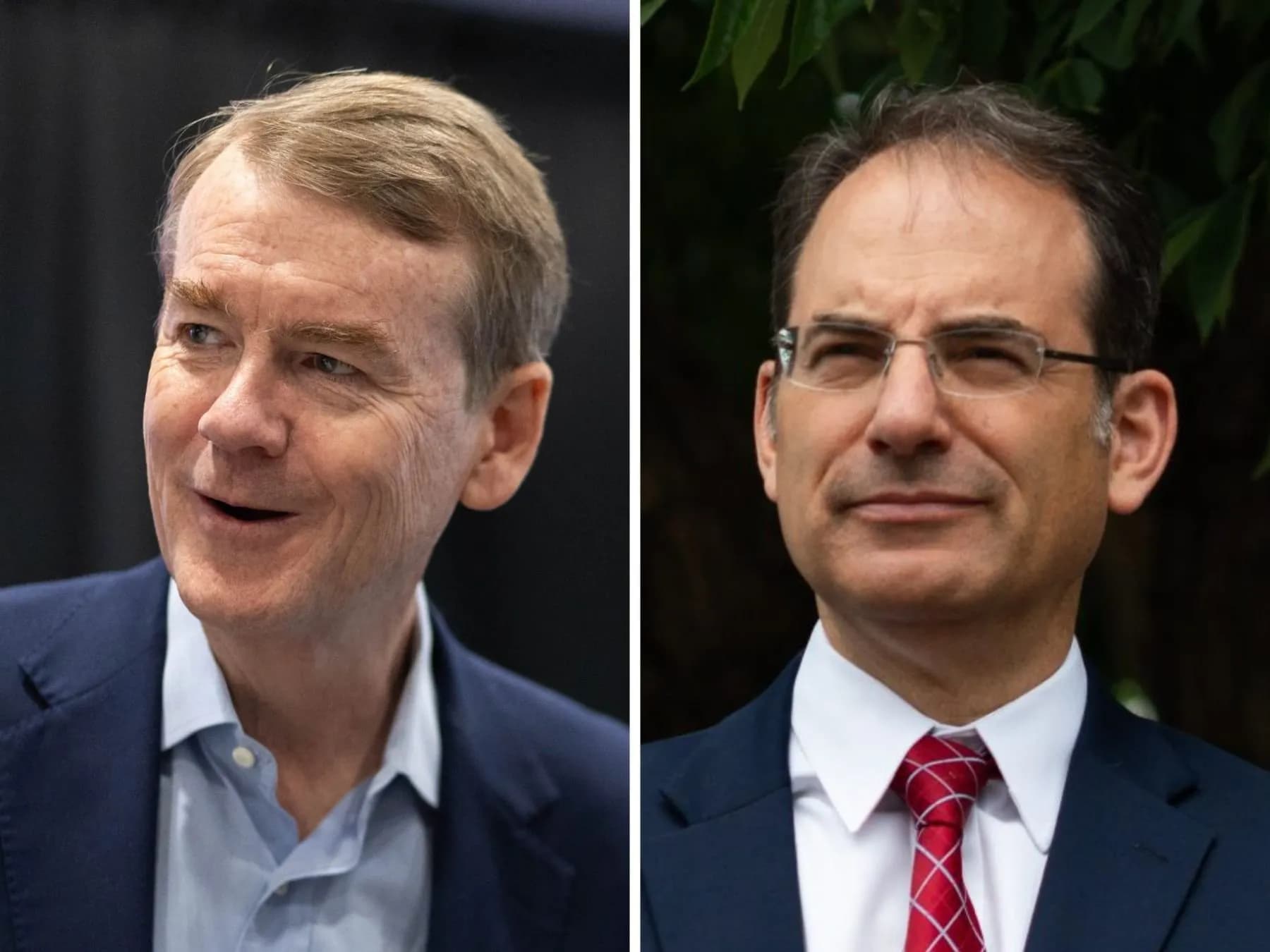
Colorado —The coffee at the Denver airport terminal is still warm, but the air conditioning is fighting a losing battle against the June heat. Outside, the tarmac shimmers, a vast expanse of concrete where two men are preparing to trade places. One is a former senator with a background in education and finance. The other is the state’s top legal mind, a former law school dean who spent years in the federal antitrust trenches. They are both running for the same job. They are both Democrats. And they are about to tell you exactly how they plan to fix — or break — Colorado.
U.S. Senator Michael Bennet and Attorney General Phil Weiser are locked in a tight race for the state’s highest office, with the primary set for June 30. The Colorado Sun sat them down to dissect the issues that actually keep locals up at night: taxes, water, housing, and whether the state is actually competitive for businesses anymore.
Let’s start with the money. Bennet and Weiser have different takes on the Taxpayer’s Bill of Rights (TABOR), that constitutional amendment that caps property tax revenue growth and requires voter approval for almost any new tax. If a graduated income tax hits the ballot this November, will they vote yes? Bennet, who has long argued that Colorado’s flat tax structure hurts lower-income families, leans toward supporting a graduated income tax to fund services. Weiser, while not explicitly endorsing a specific vote yet, emphasizes the need for fiscal predictability. Here’s the thing though: voters care less about the mechanics of TABOR and more about whether their property taxes will skyrocket next year.
Then there’s water. It’s always water. Bennet points to storage capacity as the critical bottleneck. He wants to build more reservoirs, arguing that climate change has made our current infrastructure obsolete. Weiser is more cautious. He worries about restricting how farmers and ranchers use their water, noting that agriculture is the backbone of the Western Slope economy. If you’re a rancher in Delta or Montrose, you don’t want the Attorney General coming in with a legal hammer; you want a governor who understands that water rights are property rights. Bennet acknowledges the tension but insists that without new storage, the state will run dry by 2050. Weiser counters that we can manage what we have better before we spend billions on new dams.
Housing is the other flashpoint. Governor Jared Polis has been pushing local governments to overhaul zoning codes, forcing cities to allow denser housing. Bennet wants to expand on that, arguing that the housing shortage is a crisis that drives up costs for everyone. Weiser agrees but adds a layer of legal scrutiny. He wants to ensure that when local governments change zoning, they don’t get sued into oblivion by developers or preservationists. Both men agree that rent control should remain off the table, but they differ on how aggressively the state should intervene in local zoning decisions.
And what about business? Polis and business leaders claim Colorado is becoming less predictable for tech companies and traditional corporations alike. Bennet wants to lean into that, arguing that a stable government attracts investment. He points to his time in the Senate and his experience with the Anschutz family as proof that he knows how to navigate big money. Weiser, with his antitrust background, is more skeptical. He wants to ensure that "growth" doesn’t just mean bigger corporations squeezing out small businesses. He wants competition. He wants fairness.
The primary is June 30. The polls are tight. And the voters are tired of hearing the same promises they’ve heard for a decade. They want to know who will actually deliver. Bennet offers experience. Weiser offers legal precision. One of them will be the next governor. The other will be back in the Senate or the courts, waiting for the next election.
Outside the terminal, the planes take off one by one, climbing into the thin air. The heat doesn’t break. The coffee goes cold. And somewhere in a polling place in Boulder or a coffee shop in Grand Junction, a voter is making up their mind.
Keep up with Colorado
The day's Western Slope news, one email each morning. Free.
Steamboat Recommends E-Motorcycle Education to Clarify Rules
BLM Clears 113 Roan Plateau Parcels for December 2026 Oil and Gas Lease Sale
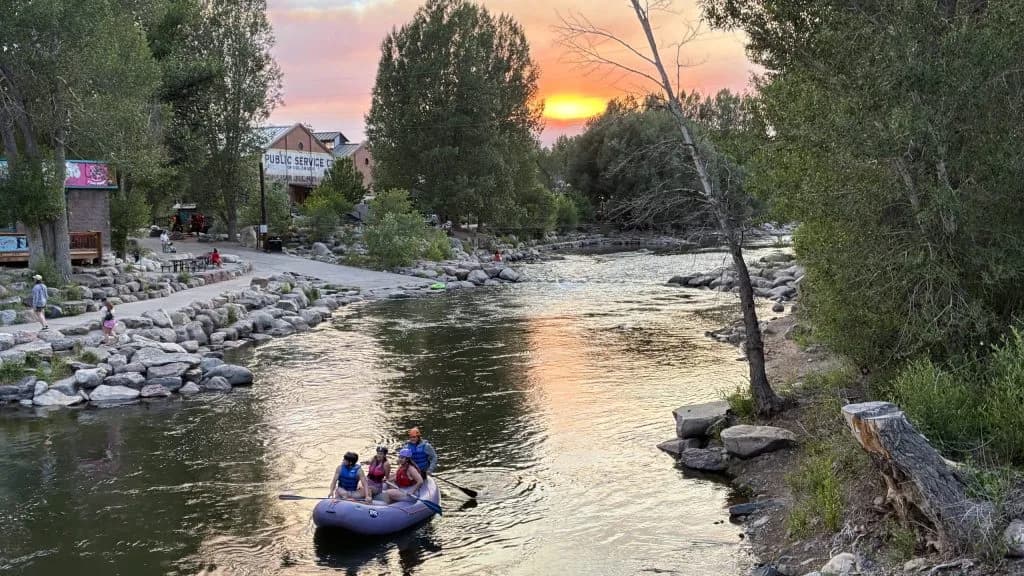
Southern Colorado Releases 2,500 Acre-Feet to Save Drying Arkansas River
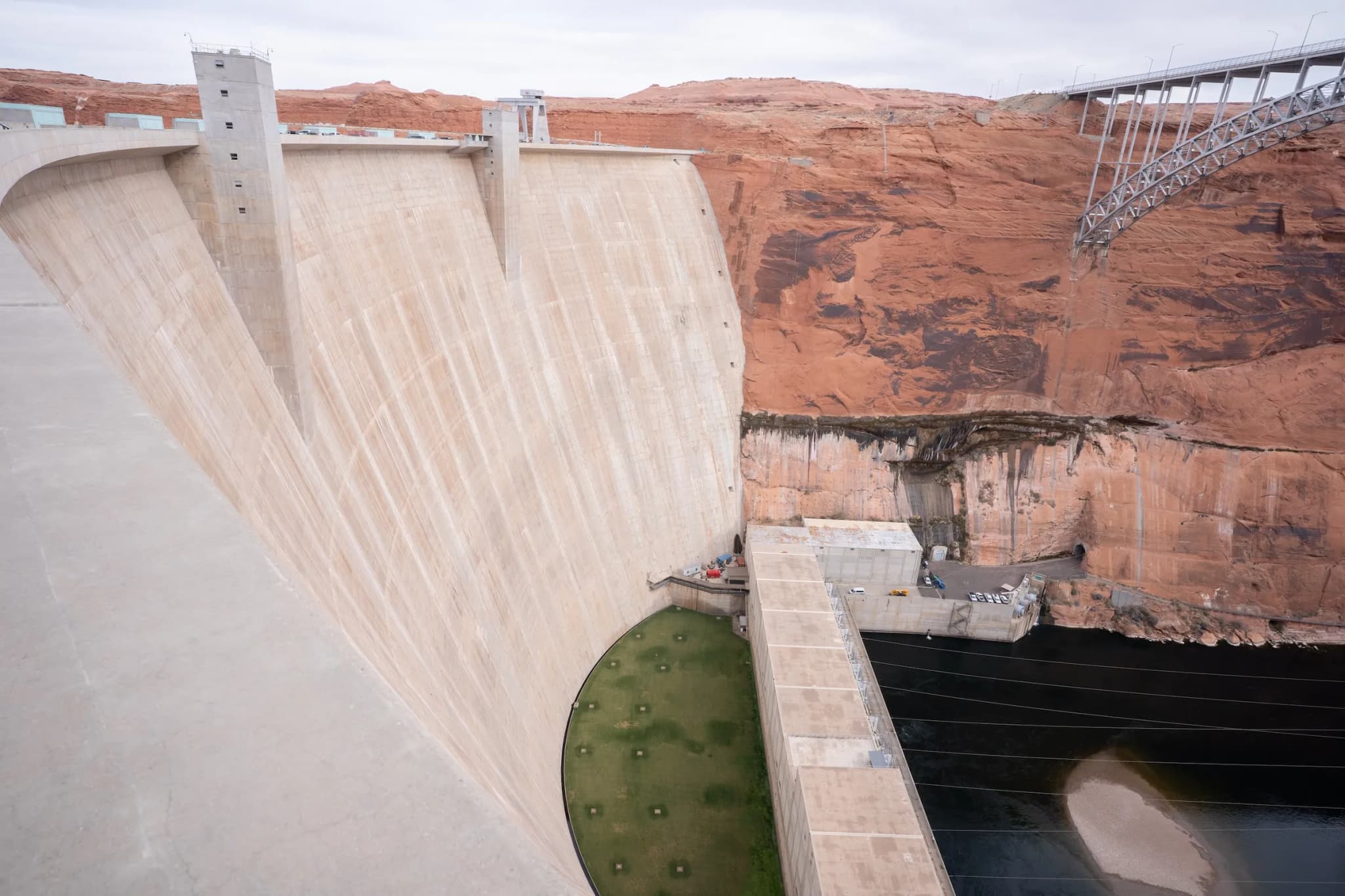
Federal Report Sets 200,000 Acre-Foot Water Conservation Target for Upper Basin
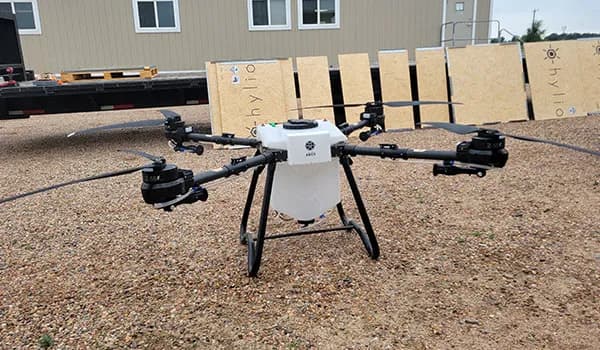
Colorado Parks and Wildlife Deploys Precision Drones for Weed Control