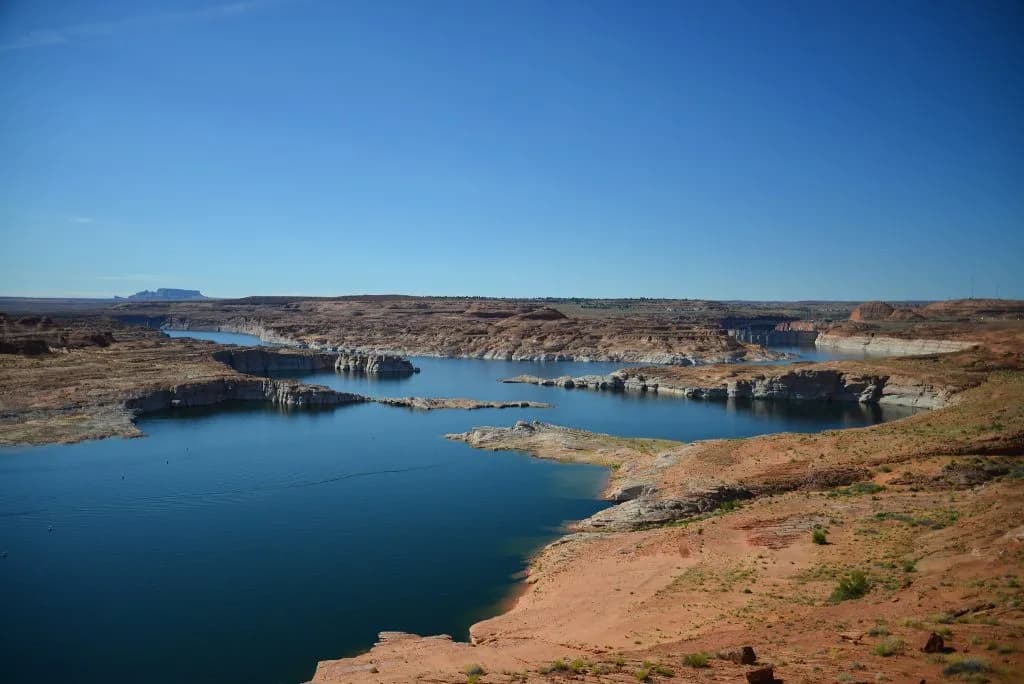
BLM Helicopter Drive Traps Wild Horses in Piceance Basin
The Bureau of Land Management uses low-flying helicopters to drive wild horses into pens in Piceance Basin, balancing ecosystem health against taxpayer costs and local advocacy concerns.
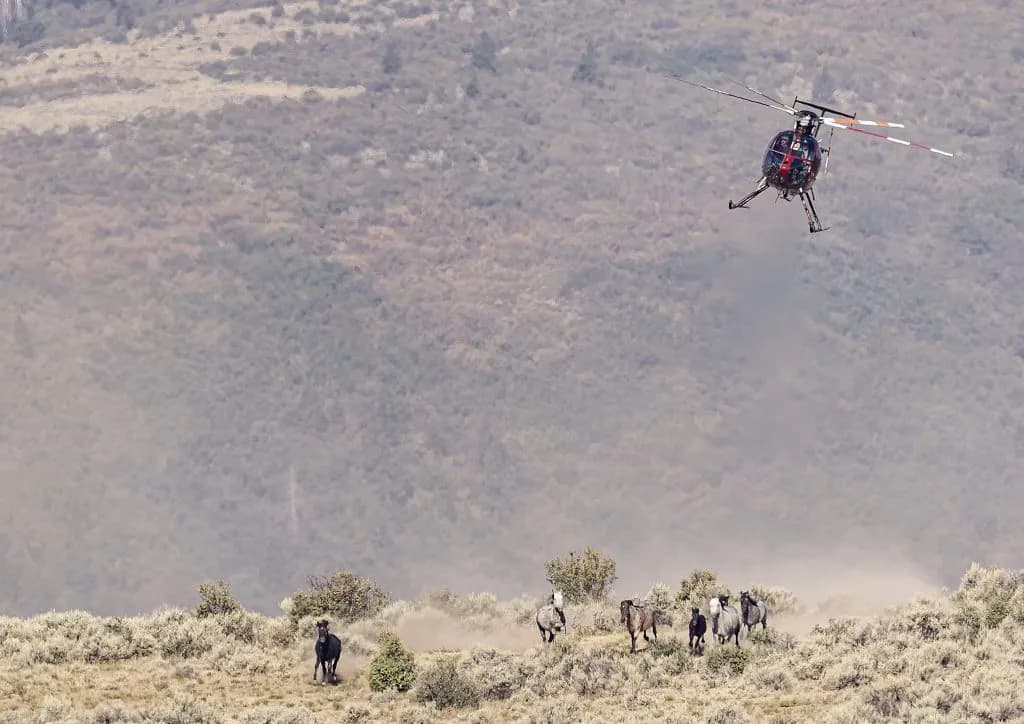
Steamboat Springs —The helicopter hovers too low. It buzzes over the oil refinery in Northwest Colorado’s Piceance Basin, cutting off a white horse that flips and runs the wrong way. The bird follows, relentless, driving the animal toward a catch pen hidden behind juniper trees. To the ordinary viewer standing on the dirt road, watching dust cloud a newly filled trailer, it looks like an invasion.
To the Bureau of the Land Management (BLM) and some ranchers, it’s just Tuesday.
The scene on August 5 wasn’t pretty, but it was necessary. That’s the argument anyway. The BLM claims this ugly reality of drive-trap operations is the only way to keep wild horse populations from chewing up the public lands they’re supposed to protect. For American taxpayers, though, "necessary" comes with a steep price tag and a growing list of complaints from advocates who see nightmares where officials see management.
It’s easy to forget that these animals are legally protected. In 1971, Congress passed the Wild Free-Roaming Horses and Burros Act, declaring them "living symbols of the historic and pioneer spirit of the West." The law says they enrich our lives. It also says they are "fast disappearing." So, the federal government is tasked with protecting them. But here’s the twist: to protect the land, they have to remove many of the horses.
The BLM says protecting both the animals and the ecosystem requires culling the herd. They’ve been doing this for over five decades. Since 1971, they’ve removed nearly 4,400 animals from Colorado’s public rangelands. That’s not a small number. It’s a steady drain on federal taxpayer dollars, funding gather operations across roughly 175 herd management areas in ten Western states.
In Colorado, the BLM manages four specific areas: Piceance-East Douglas Creek, Sand Wash Basin, Little Book Cliffs (all in Northwest Colorado), and Spring Creek Basin (in Southwest). These four areas cover around 400,000 acres. The goal? Prevent populations from exceeding the land's capacity.
But standing there long enough, you start to notice the friction. A wild horse advocate near the Piceance Basin site called out the helicopter’s altitude: “It’s too close. It’s too low.” The white horse didn’t care about the statute; it cared about escape. When the helicopter cut off its path, there was no choice but to run into the pen.
The process is mechanical and loud. A contracted company uses livestock trailers to move the captured animals from the holding area near the trap site to an undisclosed location. The trailers stumble along dirt roads, kicking up dust, carrying the evidence of this ongoing debate away from the valley.
For locals in the Piceance Basin, this isn’t just about abstract population counts. It’s about what happens to their view, their commute, and the land they see every day. The BLM insists the numbers justify the noise. The advocates insist the method is flawed.
The white horse stands in the pen now, obscured from the line of sight but visible to those who know where to look. The helicopter hovers, then moves on. The trailer waits.
Keep up with Steamboat Springs
The day's Western Slope news, one email each morning. Free.