BLM helicopter roundup thins 1,025 wild horses from Piceance Basin
The Bureau of Land Management begins a summer-long operation to remove 1,025 wild horses from the Piceance Basin near Meeker, aiming to reduce herd size and apply fertility control to maintain sustainable population levels.
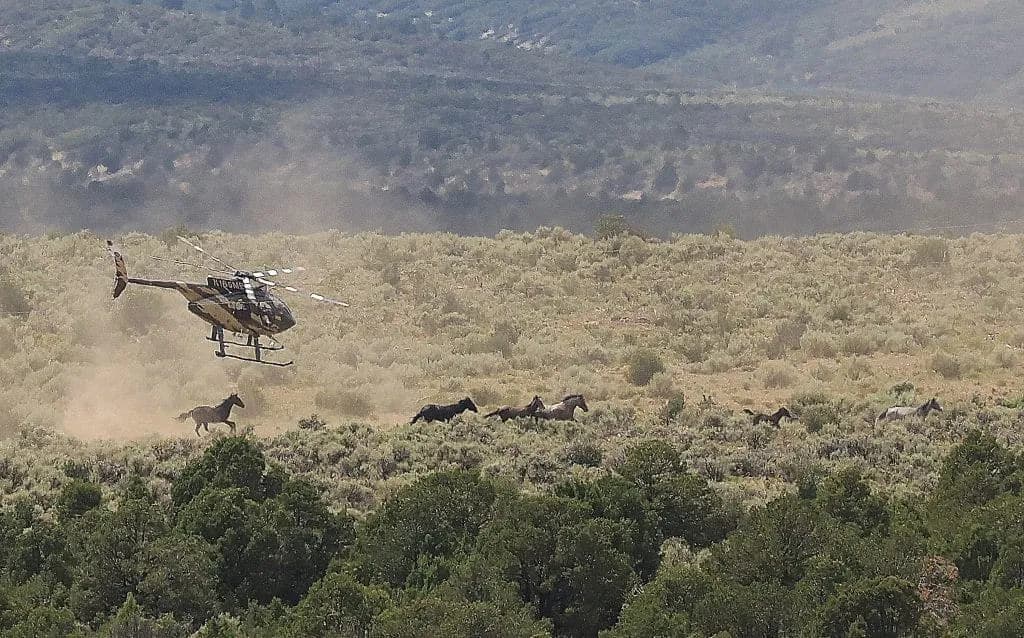
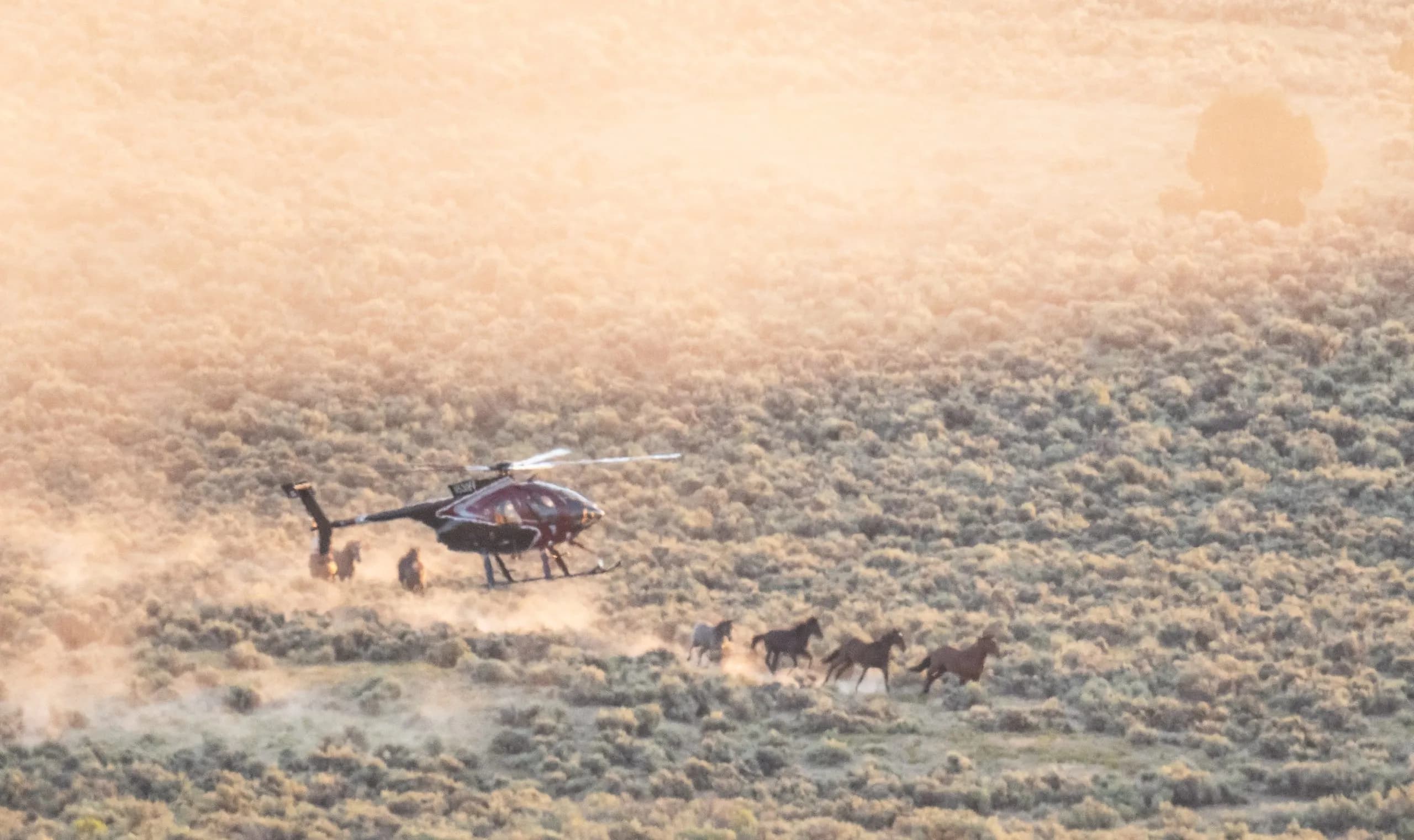
Steamboat Springs —The dust hasn’t even settled on the Piceance Basin, and the rotors are already spinning again. Early Sunday morning, a contractor’s helicopter cut a low, thumping path over the sagebrush, chasing a cloud of 96 wild horses toward the trap pens. It was the first day of a summer-long operation designed to thin the herd, and the heat was already climbing.
This isn’t a new story for Northwest Colorado, but it’s a familiar frustration. The Bureau of Land Management is back in the saddle, aiming to remove 1,025 wild horses from the Piceance-East Douglas and West Douglas Herd Areas southwest of Meeker. The plan is aggressive: take 1,011 off the range, return just 14, and treat those 14 with fertility control to slow future growth. It’s a numbers game played out in the high desert, where the landscape is vast and the politics are even vaster.
The Piceance Basin itself is a geographic beast, covering 6,000 square miles across five counties. It straddles the Colorado River and the Interstate 70 corridor, sitting atop a geological treasure chest of natural gas. That energy potential has long been a topic of discussion here, but for now, the focus is on the horses. The helicopter-assisted gather is just the first of two planned operations this summer. By September 10, crews will move to the Sand Wash Basin, targeting another 300 horses.
Bill Mills, the White River Field Office Manager, says the goal is simple: maintain a healthy herd on a healthy landscape. The Piceance-East Douglas population is currently well above what the habitat can sustainably support. By reducing numbers and applying fertility control, Mills argues, they can better support the long-term health of the horses, the range, and the other wildlife that depend on this terrain. It’s the standard BLM pitch, one that emphasizes balance and sustainability.
But the execution tells a different part of the story. The operation was paused when temperatures hit 93 degrees, just shy of the 95-degree limit set by the Bureau’s Comprehensive Animal Welfare Program. The team gathered 35 stallions, 43 mares, and 18 foals before the heat forced them to stop. Wind is always a variable, too, affecting how the helicopters herd the animals. Conditions were good, according to an email from the Bureau’s office of communications, and operations went well. They’re still on track for the 1,025 target.
Scott Wilson, a conservation photographer who runs the PhotoAdvocacy social media site, has been watching this cycle closely. He traveled to the area several days before the roundup, and he’s not buying the idea that this is a fresh problem.
“They took 867 horses out of Piceance Basin in 2022, and we’re back four years later in the exact same situation,” Wilson said.
Wilson uses wildlife and landscape photography to drive conservation efforts, giving a voice to animals like wild horses. His concern isn’t just about the number of horses removed, but the nuance of the operation itself. The fact that the population has rebounded to near-record levels in just four years suggests that the current strategy might be more about managing numbers than solving a crisis.
The second gather, scheduled for September in the Sand Wash Basin, will see 245 horses removed, with 20 treated for fertility control. It’s a continuation of the same playbook. The BLM says the purpose is to help maintain a healthy wild horse herd. Locals, however, know that "healthy" is a word that gets stretched thin when you’re talking about thousands of acres and millions of dollars.
The helicopter rises again, chasing shadows across the basin. The dust settles. The horses move. And the cycle begins anew.
Keep up with Steamboat Springs
The day's Western Slope news, one email each morning. Free.
BLM Removes 180 Mustangs from Piceance Basin Amid 95-Degree Heat

UCHealth Doctor Urges Steamboat Cyclists to Prioritize Helmets and Bike Checks