BLM Removes 180 Mustangs from Piceance Basin Amid 95-Degree Heat
The Bureau of Land Management has captured 180 mustangs in the Piceance Basin, targeting over 900 animals for removal to manage the herd against drought and limited forage.
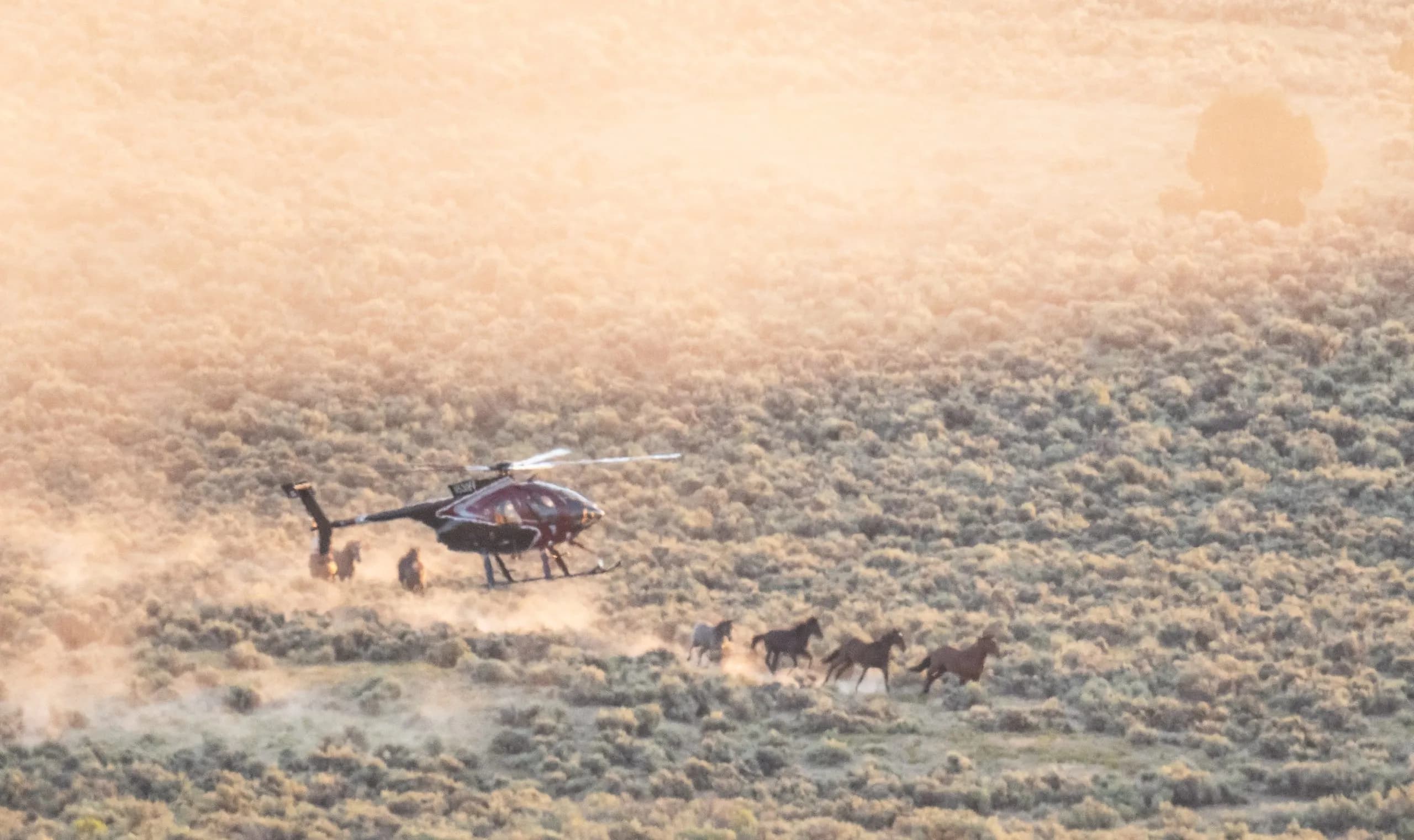
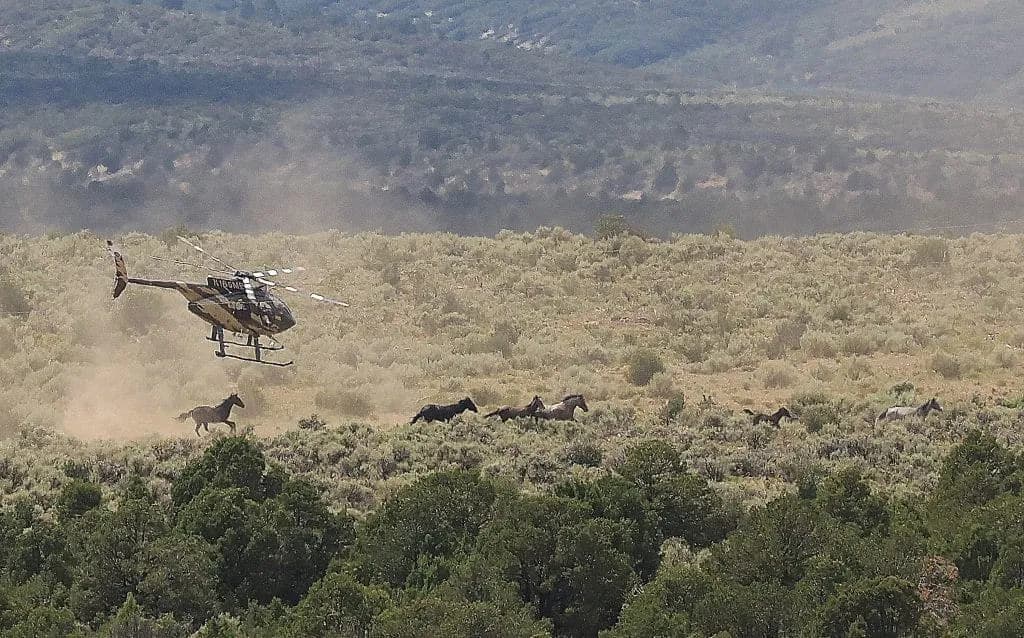
Steamboat Springs —The dust in the Piceance Basin doesn’t just hang in the air; it settles into the lungs of anyone standing near the highway, a fine, pale powder kicked up by a helicopter hovering just low enough to spook the herd. It is hot. The thermometer is pushing toward 100 degrees, and the ground is parched, cracked open like old leather.
This is where the Bureau of Land Management has decided to thin the wild horse population, and it is happening right now, in the shadow of the oil pumps and the grazing cattle that share this nearly 200,000-acre stretch of public land outside of Meeker.
The goal is specific: remove more than 900 mustangs from the Piceance-East Douglas herd management area. The math, according to federal land managers, is simple. There are roughly 1,100 horses out there now. The land can handle about 200. The rest are eating the forage and drinking the water that wildlife and livestock need, especially with drought tightening its grip.
To hear Steven Hall, the BLM spokesperson, tell it, the operation is going smoothly. In the first two days, 180 horses were corralled. On just one of those days, a single low-flying helicopter drove 96 mustangs — 43 mares, 35 stallions, and 18 foals — into the holding pens.
The question for locals watching from their porches or driving through town is whether the heat is actually slowing things down. The answer is yes, but not because the animals can handle it.
“Horses do quite well in hot weather, as cowboys can attest,” Hall said Monday via email. “But this safety feature ensures the welfare of horses that may be old, younger, or have health issues.”
The rule is strict: operations stop when temperatures hit 95 degrees. So, when the heat climbed toward that mark on Sunday, the helicopters pulled back by about 11 a.m. It’s a safety protocol, not a convenience one. The concern isn’t the strong stallion; it’s the foal or the older mare with a bad leg who might collapse under the stress of the chase.
The roundup itself could last up to 30 days, depending on how the weather holds and how the terrain behaves. The plan is to gather 1,025 horses from both the Piceance-East Douglas area and the nearby West Douglas area. Once they’re caught, 14 will be returned to Piceance to keep the gene pool going. The rest? They’re heading to long-term holding facilities, pastures, or adoption centers.
It’s a big operation, and it’s happening in a place where visibility is key. But the BLM has had to cut back on public viewing. You can only watch three days a week now. Why? Because the same staff who manage the viewing areas are also managing wildland fires. And this year, the fires have been busy.
“The same staff who manage public viewing at wild horse gathers also support other natural resources and emergency services like wildland fire, which has been busy this year, particularly in Colorado,” Hall said.
It’s a reminder that this isn’t happening in a vacuum. The land is shared. The water is scarce. The equines are numerous. And the people who manage it all are stretched thin.
There’s a second piece to this puzzle, just southwest of Rangely in Rio Blanco County. The West Douglas area is a different story. It’s considered unsuitable for mustangs. A wildfire in 2023 cleared the decks there, but the animals returned. They’ve been leaving the federal land, wandering onto private property in search of food and water. The plan there is to remove all 100 or so of them.
So, what does this mean for the folks in Meeker and Piceance? It means more trucks on the road, more dust, and a landscape that looks a little different every time you drive out. It means the BLM is betting that taking out 900 horses will save the remaining 200 from starving, and that the land can recover.
“Gather operations are off to a good start,” Hall said. “Gathers in northwest Colorado historically are some of the safest wild horse gathers in the country.”
He’s right. The animals are being moved efficiently. The heat is being respected. But as the dust settles and the helicopters hover a little longer into the afternoon, the real test is whether 200 horses is truly enough to keep the balance, or if next year’s drought will demand more.
For now, the herd is moving. The land is waiting. And the dust is still rising.
Keep up with Steamboat Springs
The day's Western Slope news, one email each morning. Free.

UCHealth Doctor Urges Steamboat Cyclists to Prioritize Helmets and Bike Checks
BLM helicopter roundup thins 1,025 wild horses from Piceance Basin