Bond Rancher Admits Killing Wolf in Federal Investigation
Nottingham Ranch owner Susan Nottingham publicly admits her employee killed a matriarch from the King Mountain wolf pack, triggering a federal investigation and raising stakes for the state's reintroduction goals.
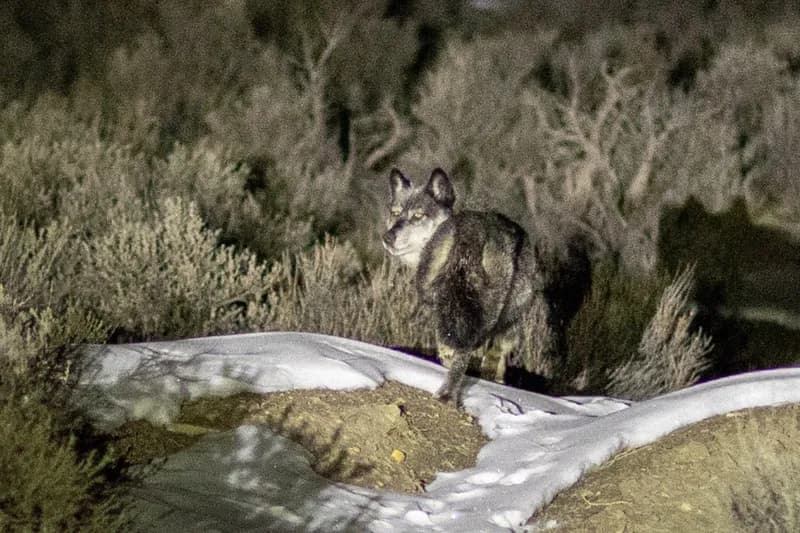
Colorado —The wind off the Colorado River cuts through the high country in Bond, carrying the scent of sage and damp earth. It’s the kind of cold that settles in your bones before the sun has even cleared the peaks, a reminder that winter doesn’t always pack its bags just because the calendar says spring.
Susan Nottingham knows this cold. She knows the weight of nearly 20,000 acres of grazing land, the 1,200 head of cattle that roam it, and the quiet tension that has settled over her operation since wolves returned to the state.
Here’s the thing though: for the first time since the state began its voter-mandated wolf reintroduction in 2023, a rancher has publicly admitted to killing one. Not a cow. Not a sheep. A wolf.
Nottingham, owner of the sprawling Nottingham Ranch, didn’t wait for a press conference or a state wildlife official to point a finger. She wrote it down. In a formal comment to the U.S. Fish and Wildlife Service regarding the state’s handling of the reintroduction, she laid out the facts. Her ranch hand shot the mother of four yearling pups from the King Mountain pack in March.
It sounds simple on paper. A ranch hand, a rifle, a wolf. But the implications ripple out from that small plot of land near Bond to the federal courts and the pockets of locals who are already footing the bill for legal fees.
The shooting remains under federal investigation. That means Nottingham is paying tens of thousands of dollars in legal costs just to protect herself and her employee from potential criminal charges. It’s not just about whether the wolf was killed; it’s about whether the killing was legal, and who gets to decide.
The King Mountain pack was one of four known packs that produced litters in 2025. Losing the matriarch of this specific group is a blow to the state’s goal of building a self-sustaining wolf population. The female’s mate had already died in January, taken during a routine trapping operation to fit him with a tracking collar. Now the mother is gone, leaving four pups without their primary provider.
Nottingham’s ranch isn’t a hobby farm. It spans nearly 20,000 acres, utilizing senior water rights from the Colorado River to grow 3,000 tons of hay every summer. It’s a serious agricultural operation, one that has seen members of the King Mountain pack "find their way" to her land since ten wolves were first introduced to Grand and Summit counties in December 2023.
State wildlife officials have been quiet. They’ve noted that a "mortality" occurred, but they haven’t publicly named the shooter or the specific wolf until now. Since the reintroduction began, three wolves have died from shootings. In cases where the state shot a wolf because it killed livestock, they were transparent. But this? This is different. This is a rancher’s employee. This is a federal probe.
The tension between the state and livestock owners is no longer theoretical. It’s written in a Federal Register document, signed by a woman who has watched her land change. The loss of the King Mountain female will hamper the state’s ability to meet its voter-mandated goals. And Nottingham? She’s still out there, paying the lawyers, waiting to see if the federal government decides her ranch hand’s shot was the right move, or a costly mistake.
The sun dips below the ridge, casting long shadows over the hayfields. The cattle move slowly, indifferent to the paperwork piling up in the county office. Somewhere in the sagebrush, four pups wait for a mother who might not come back.
Keep up with Colorado
The day's Western Slope news, one email each morning. Free.
Steamboat Recommends E-Motorcycle Education to Clarify Rules
BLM Clears 113 Roan Plateau Parcels for December 2026 Oil and Gas Lease Sale
Southern Colorado Releases 2,500 Acre-Feet to Save Drying Arkansas River
Federal Report Sets 200,000 Acre-Foot Water Conservation Target for Upper Basin
Colorado Parks and Wildlife Deploys Precision Drones for Weed Control