Boulder Residents Sue City Over Flock Safety Camera Privacy
Boulder residents William Freeman and another plaintiff sue the city, arguing that its network of 31 Flock Safety cameras violates Colorado Constitution privacy rights by creating a warrantless dragnet.
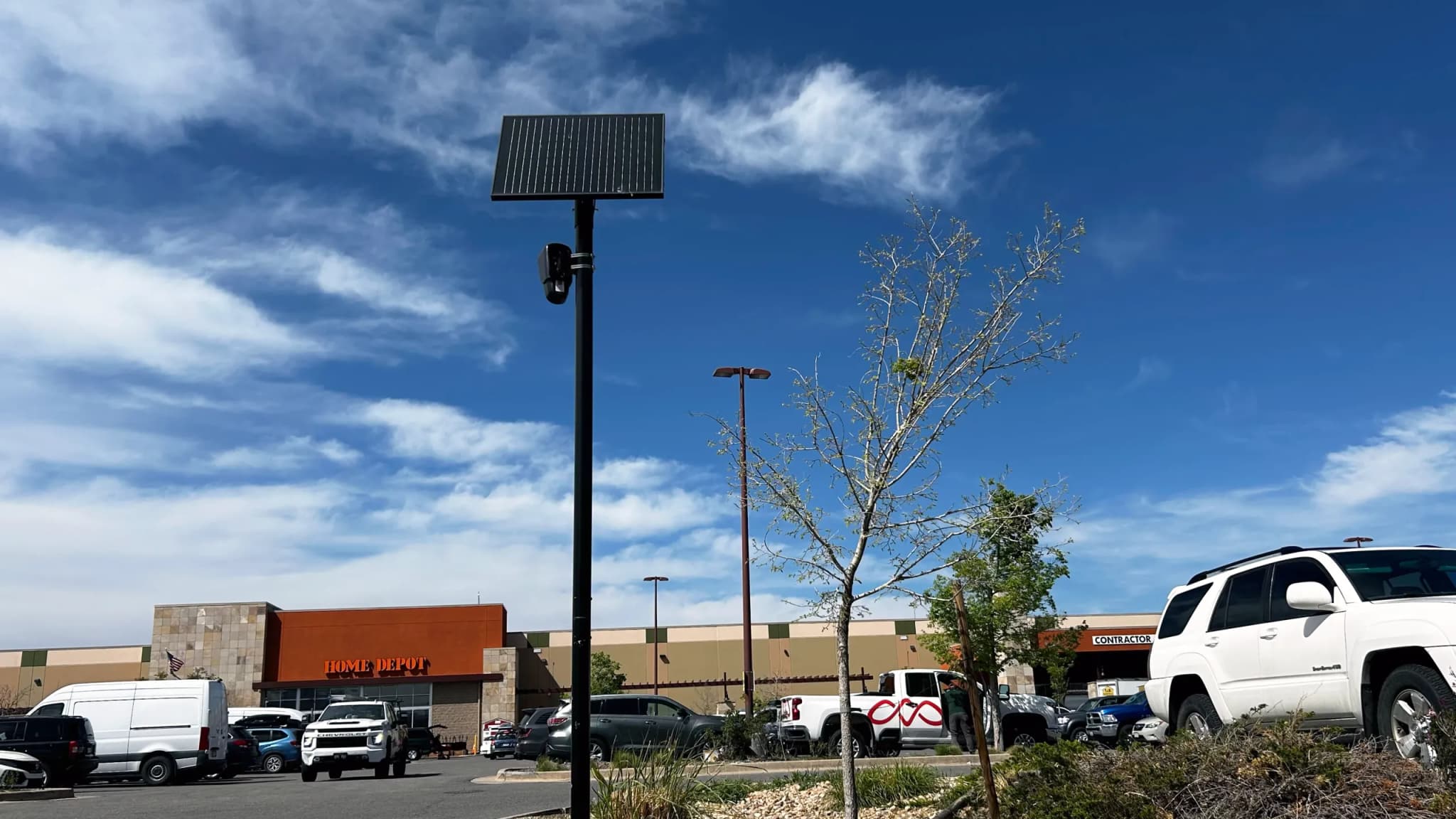
Colorado —Have you ever wondered if the license plate reader on your commute to work is actually catching a thief, or if it’s just cataloging your Tuesday morning coffee run for a national database? That’s the question hanging over Boulder’s 31 Flock Safety cameras as two residents take the city to court, arguing that this ubiquitous surveillance network violates the privacy rights guaranteed by the Colorado Constitution.
The lawsuit, filed in Boulder District Court on Wednesday, isn’t just a technical dispute over optics and software; it’s a direct challenge to how the city views the daily movements of its neighbors. The plaintiffs, William Freeman and another resident, argue that the system creates a dragnet so wide it catches everyone, regardless of guilt. Andy McNulty, the attorney representing them, put it plainly: “Boulder cannot pretend this is about catching criminals when 99% of the people its cameras surveil every day have nothing to do with any crime.”
It’s a stark image — every neighborhood turned into a checkpoint, every commute transformed into a potential violation of privacy. The complaint seeks class-action status, aiming to declare the current use of Flock cameras unconstitutional and block the city from continuing its surveillance without a warrant. It’s not just about the cameras themselves, but about the data they hoard. For more than three years, Boulder’s Flock data was searchable by thousands of law enforcement agencies across the country through Flock’s national network. That means if you drive your car through Boulder, your license plate isn’t just logged for the Boulder Police Department; it’s logged for agencies nationwide, creating a digital trail that stretches far beyond the foothills.
You can feel the weight of that data accumulation when you look at the infrastructure. Several Flock cameras surround the block of Arapahoe Avenue between 28th and 30th Street, near the 29th Street Mall and Scott Carpenter Park. Three of them sit in the Home Depot parking lot alone, watching cars come and go, day and night. If you look closely at the way these cameras are positioned, they aren’t just watching for stolen vehicles; they’re watching you.
The city knows it’s under scrutiny. After pushback from community members who questioned the necessity and scope of the technology, Boulder opened a bidding process in March for other companies to provide automatic license plate readers. Bids are due by 4 p.m. Friday, and the city plans to select a shortlist of vendors by mid-June for a pilot program. Sarah Huntley, a city spokesperson, said officials are aware of the litigation and are “evaluating the claims that are being made.” As this is now litigation, she noted, the city will make its arguments and share its perspective through official court filings.
But the lawsuit names specific officials to hold accountable: Police Chief Stephen Redfearn and Dawn VanAckeren, supervisor for Boulder’s records and information services. VanAckeren denied a request for records filed by William Freeman, a key moment that sparked this legal challenge. It’s a tangible example of the opacity the plaintiffs are fighting against — the difficulty of seeing what is being collected, and who is allowed to see it.
McNulty argues that the Colorado Constitution does not permit this kind of warrantless dragnet surveillance. The plaintiffs want the court to stop it. It’s a bold move for a city that prides itself on progressive policies and community engagement. Now, the question is whether the courts agree that the convenience of automatic license plate readers outweighs the fundamental right to privacy.
The sound of tires on Arapahoe Avenue continues, steady and unbroken. The cameras blink, red and unblinking, recording the flow of traffic, the delivery trucks, the school runs, the evening commutes. They are watching, waiting, and storing. And now, they are being sued.
Keep up with Colorado
The day's Western Slope news, one email each morning. Free.
Steamboat Recommends E-Motorcycle Education to Clarify Rules
BLM Clears 113 Roan Plateau Parcels for December 2026 Oil and Gas Lease Sale
Southern Colorado Releases 2,500 Acre-Feet to Save Drying Arkansas River
Federal Report Sets 200,000 Acre-Foot Water Conservation Target for Upper Basin
Colorado Parks and Wildlife Deploys Precision Drones for Weed Control