Bruce Springsteen's Tour Inspires Resistance in Colorado
Bruce Springsteen's tour sparks conversations about music's role in politics and promoting peaceful resistance in Colorado, particularly on the Western Slope.
Colorado —What's the impact of Bruce Springsteen's political tour on his fans in Colorado, particularly on the Western Slope? The sun sets over the Rocky Mountains, casting a warm orange glow over the landscape as folks around here wonder about the power of music to inspire change. A lone car drives down a deserted highway, the only sound being the hum of the engine and the distant music drifting from the radio - Bruce Springsteen's unmistakable voice singing about freedom and resistance.
That's what Mike Littwin, a columnist, experienced when he attended Springsteen's concert in Austin, where the musician delivered a monologue denouncing the Trump administration's actions. Littwin notes that Springsteen's tour is sparked by the deaths of innocent protesters and Trump's attacks on democracy, and he's not alone in his concerns. People in the valley are talking about the role of music in politics, and whether it can be a force for change. As Littwin puts it, Springsteen's message is one of resistance, urging those who believe in America to rise up against the president's actions.
Here's the thing though - this tour isn't just about the music; it's about the politics of resistance. Springsteen's monologue before each concert is a call to action, and it's not just about criticizing those in power, but about promoting peaceful protest. Littwin recounts how Springsteen opened his monologue with a prayer for the safety of those fighting overseas, then segued into a message about the importance of peaceful disagreement. The musician emphasized that there's no place for political violence in the United States, a statement that seems unremarkable but is sadly necessary given the current state of affairs.
Not exactly what you'd expect from a rock concert, but that's what makes Springsteen's tour so significant. As Littwin notes, dissent is not violence, and criticism is not violence - a message that's especially important. The fact that Springsteen is using his platform to promote peaceful resistance is what makes his music and message so powerful. And that matters because, as Littwin points out, there are those who would seek to silence critics and suppress dissent. Picture this: a world where music and art are used to promote violence and division, rather than unity and resistance. That's not the world we want to live in, and it's not the message that Springsteen is promoting.
The question is, what impact will Springsteen's tour have on his fans in Colorado, particularly on the Western Slope? Will it inspire them to take action, to get involved in their communities and promote peaceful resistance? Only time will... no, scratch that - the impact will be seen in the days and weeks to come, as people process the message and the music. For now, it's enough to say that Springsteen's tour is a powerful reminder of the importance of peaceful protest and the need for resistance in the face of oppression. As the sun dips below the horizon, casting the landscape in a warm, golden light, it's clear that this is a message that will resonate with folks around here. The sound of Springsteen's music fades into the distance, leaving behind a sense of hope and a call to action. And that's what stays with you long after the music is gone.
Keep up with Colorado
The day's Western Slope news, one email each morning. Free.

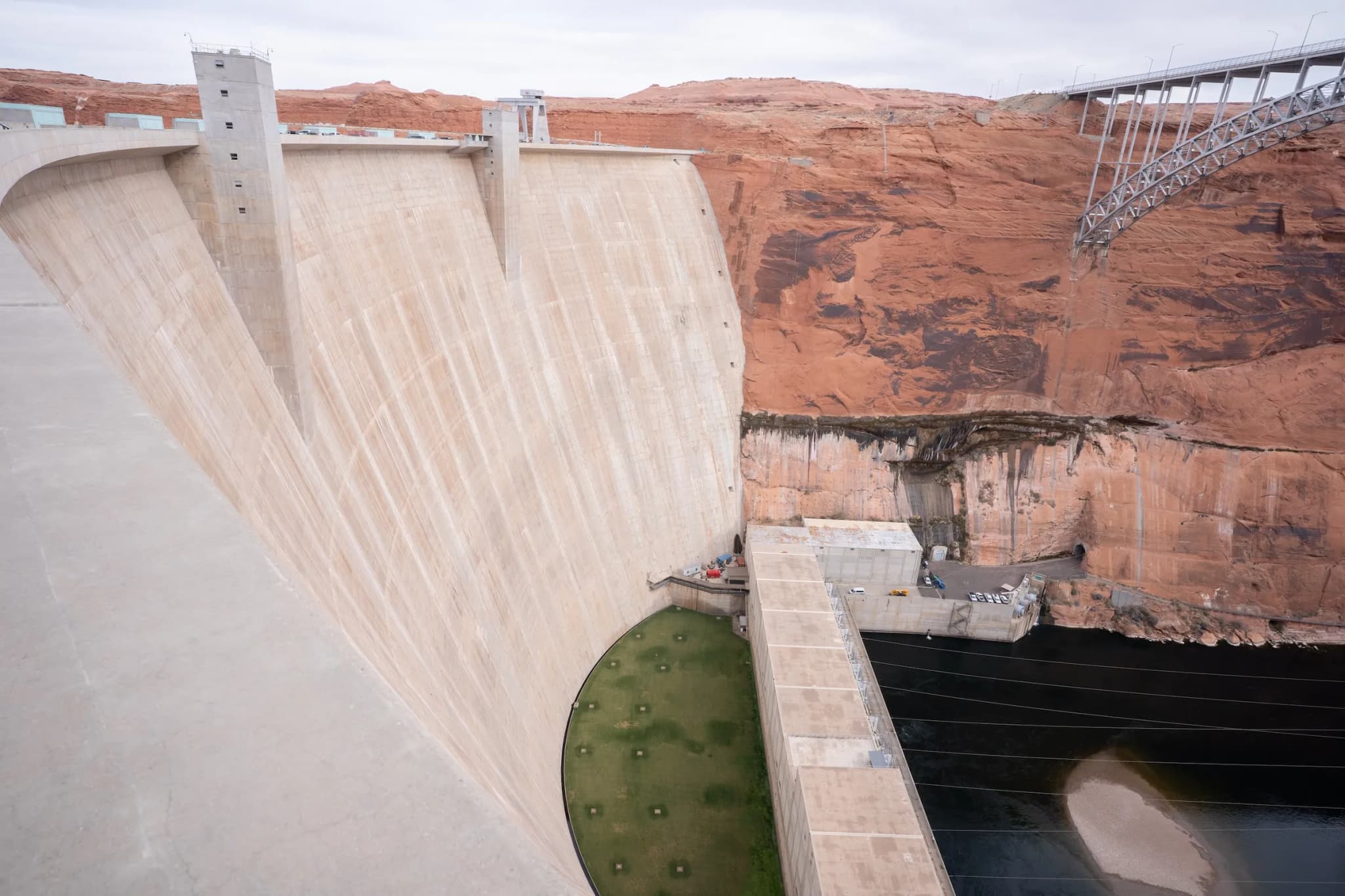
Federal Report Sets 200,000 Acre-Foot Water Conservation Target for Upper Basin

Colorado Parks and Wildlife Deploys Precision Drones for Weed Control