Carbondale Developers Offer 1% Tax to Exceed Height Limits
Carbondale developers proposed a 1% real estate tax to offset a 38-foot building height variance. The plan includes five apartments and commercial space, drawing mixed reactions from residents.
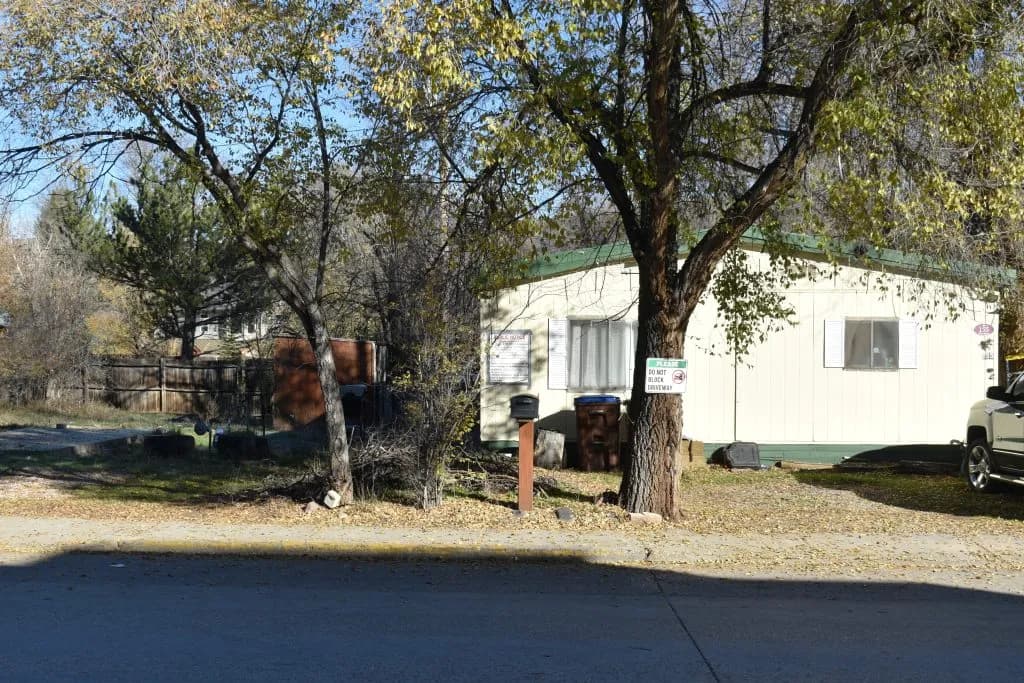
Aspen —The afternoon light in Carbondale hits the asphalt of Main Street differently now, casting long shadows across the pavement where a mobile home has sat for decades. It’s a quiet corner of the valley, marked by a few weathered sheds and the steady hum of traffic passing through, but that stillness is about to be broken by the sound of construction.
The Carbondale Board of Trustees spent Tuesday evening listening to the arguments for change, continuing a public hearing that began in late October. The proposal is ambitious: a three-story, 13,000-square-foot mixed-use building designed by the local firm Land+Shelter. It would replace the current rental property with five apartments — one deed-restricted — and a ground floor dedicated to commercial space. But the real friction point isn’t the housing; it’s the height. The design calls for a 38-foot structure, pushing three feet over the town’s standard 35-foot limit.
To get past that red line, the applicant offered a concession that struck a chord with the board. They proposed a 1% Real Estate Transfer Assessment, or RETA. It’s a simple mechanism: every time the property changes hands, the town collects 1% of the sale value. That money doesn’t disappear into the general fund; it’s earmarked specifically for affordable housing initiatives. For Trustee Jess Robinson, the math worked out cleanly. She called it a "really great solution" to create community benefit and meet the alternative compliance code. The sentiment was shared by the majority of the board, who leaned toward supporting the plan.
Not everyone was convinced. Trustee Ross Kribs held back, expressing reservations about signing off on the benefit without knowing the specific returns the RETA would actually provide. He wanted to see the numbers before committing.
The opposition wasn’t silent, either. Resident Oliver Sweet stood up with a petition bearing 140 signatures, all opposing the height increase. Steve Zlotnick took a different angle, focusing on the visual impact from the Rio Grande Trail. He argued that the sightlines along the bike path were just as important as those from the street, noting that the trail sees significant pedestrian traffic. "I think the view from the bike path and from the whole north side is equally as important as the view from the front of the building," he said.
As the meeting wrapped up, the room emptied into the cool evening air. Outside, the Rio Grande Trail ran parallel to the site, a ribbon of dirt and gravel disappearing into the trees. Somewhere down that path, a cyclist pedaled north, the silhouette of the future building already etched into the skyline, waiting for the first shovel to hit the ground.
Keep up with Aspen
The day's Western Slope news, one email each morning. Free.