Cheyenne Wells Helium Plant Exports Gas as Iran War Drives Prices Up
The Ladder Creek Helium Plant in Cheyenne Wells ramps up exports as war in Iran chokes the Strait of Hormuz, cutting global supply and driving helium prices higher.
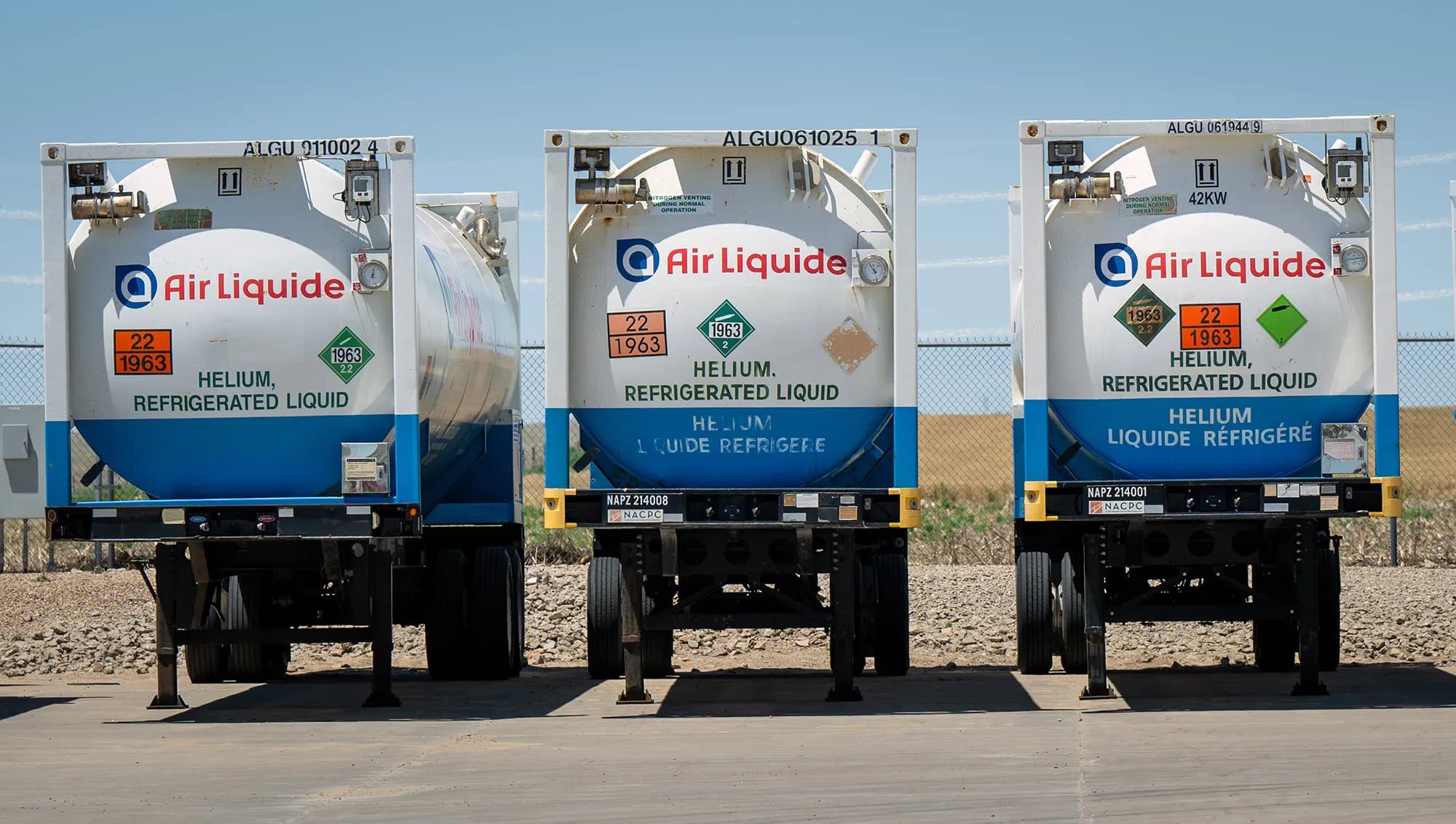
Colorado —The wind off the Cheyenne Wells plains doesn’t just carry dust. It carries a price tag that’s climbing by the minute.
At the Ladder Creek Helium Plant, trailers loaded with liquid helium sit ready for export. They’re bound for China, France, Japan, Germany, and Austria. The gas inside is cold. Incredibly cold. And right now, it’s worth more than you’d expect from a town this size.
The driver didn’t wait for a press release to explain why. He just drove. The reason is 1,500 miles away in the Persian Gulf.
War in Iran has choked off the Strait of Hormuz. Qatar, a major global supplier, can’t get its gas out. The closure cut off 30% of the world’s helium supply. International giants like France’s Air Liquide and Ireland’s Linde declared force majeure. They stopped selling freely. They started rationing.
Locals here know the drill. But the scale is new.
Colorado’s southeastern plains are brown. Drought lingers. But beneath that dry topsoil lies a resource that is suddenly critical to the global economy. It isn’t oil. It’s helium.
The U.S. is the world’s largest source. We produce 44% of the global supply. The best reserves stretch from the Texas Panhandle through Colorado and Wyoming into Canada. When the Middle East sneezes, Colorado catches the cold.
“It is an international market, there is a lot of demand for helium and it’s growing,” said Darin Dickey, co-owner of Tumbleweed Midstream, which runs the plant.
Helium is the second most abundant element in the universe. A quarter of the sun is helium. It’s small. Lighter than air. Inert. It doesn’t combine with other elements. That makes it unique. It can reach ultra-cold temperatures, approaching absolute zero.
On Earth, it’s everywhere. But profitable concentrations are rare. Here in southeastern Colorado, levels hit 7%. That’s high. That’s profitable.
The demand is relentless.
MRIs require it to cool. Fiber optic cable manufacturers need it to prevent air bubbles. Computer chip makers need it. Rocket fuel tanks use it to pressurize. Rocket engines use it to purge. Welders use it as a shield for aluminum and copper. Quantum computers need it to maintain base temperatures of minus 450 degrees Fahrenheit.
And yes, there are still the balloons. Blimps. Weather balloons. Party balloons.
The price reflects the panic. Over a five-year span, helium prices rose 250%, according to the American Chemical Society. The market is opaque. Most sales happen in undisclosed contracts between providers and customers. You don’t see the price tag on the pump at the gas station. You see it when you’re buying your next MRI scan or building your next chip.
Just before the Iran war began in March, the spot market price was stable. Now? It’s volatile. The spot market represents only 5% of total sales, but it’s the canary in the coal mine.
Dickey’s plant is a node in a global network. When the Strait of Hormuz closes, the trailers at Ladder Creek don’t just sit there. They move. The gas moves. The money moves.
This isn’t just about Colorado. It’s about who controls the cold.
The short version: The world needs helium. Iran cut the supply. Colorado filled the gap. The price went up. Everyone else is watching.
The wind still blows. The trailers still leave. But the margin for error is gone.
Keep up with Colorado
The day's Western Slope news, one email each morning. Free.



Federal Report Sets 200,000 Acre-Foot Water Conservation Target for Upper Basin
Colorado Parks and Wildlife Deploys Precision Drones for Weed Control