Colorado Amendment 87 Leads by Razor-Thin 20,000 Vote Margin
Amendment 87 leads by a fragile 20,000-vote margin as Colorado replaces its flat income tax with a graduated system. Proposition 136 failed decisively, clearing the path for major state tax changes.
Aspen —The parking lot of a Vail Daily newsroom fills with the hum of servers and the soft clatter of keyboards. Outside, the November air bites at exposed skin, but inside, eyes are locked on a single number. It is 10:30 p.m. on Tuesday, Nov. 3, and the Colorado Secretary of State’s Office has just released a figure that stops breaths: 50.5%.
That is the margin by which Amendment 87, a measure to replace Colorado’s flat income tax with a graduated system, is currently leading. It is not a landslide. It is not even a comfortable win. With just shy of 2 million votes cast, “yes” voters outnumber “no” voters by less than 20,000. That is a sliver of the electorate, thinner than the frost forming on a windshield in Eagle County. The outcome hangs by a thread as votes continue to trickle in from mail ballots and late-arriving precincts.
This is the part everyone skips past when they talk about tax policy: the sheer fragility of a constitutional change. Amendment 87 would lower taxes for the vast majority of Coloradans while raising them for the top percentage of earners. According to the official ballot information booklet, this shift would generate more than $2 billion for the state government to spend on healthcare, education, and childcare. For neighbors in Glenwood Springs or Durango, that means potential funding for local schools and clinics, money that currently flows into a flat 4.4% rate applied to everyone from the first dollar earned to the last.
The coalition behind this change is broad, led by the Protect Colorado’s Future Coalition. It includes progressive think tanks like the Bell Policy Center and the Colorado Fiscal Institute, alongside groups such as the Colorado Organization for Latina Opportunity and Reproductive Rights, the Hunger Free Colorado, and the Colorado PTA. They are betting that a flat tax is no longer fair in a state where cost of living has skyrocketed.
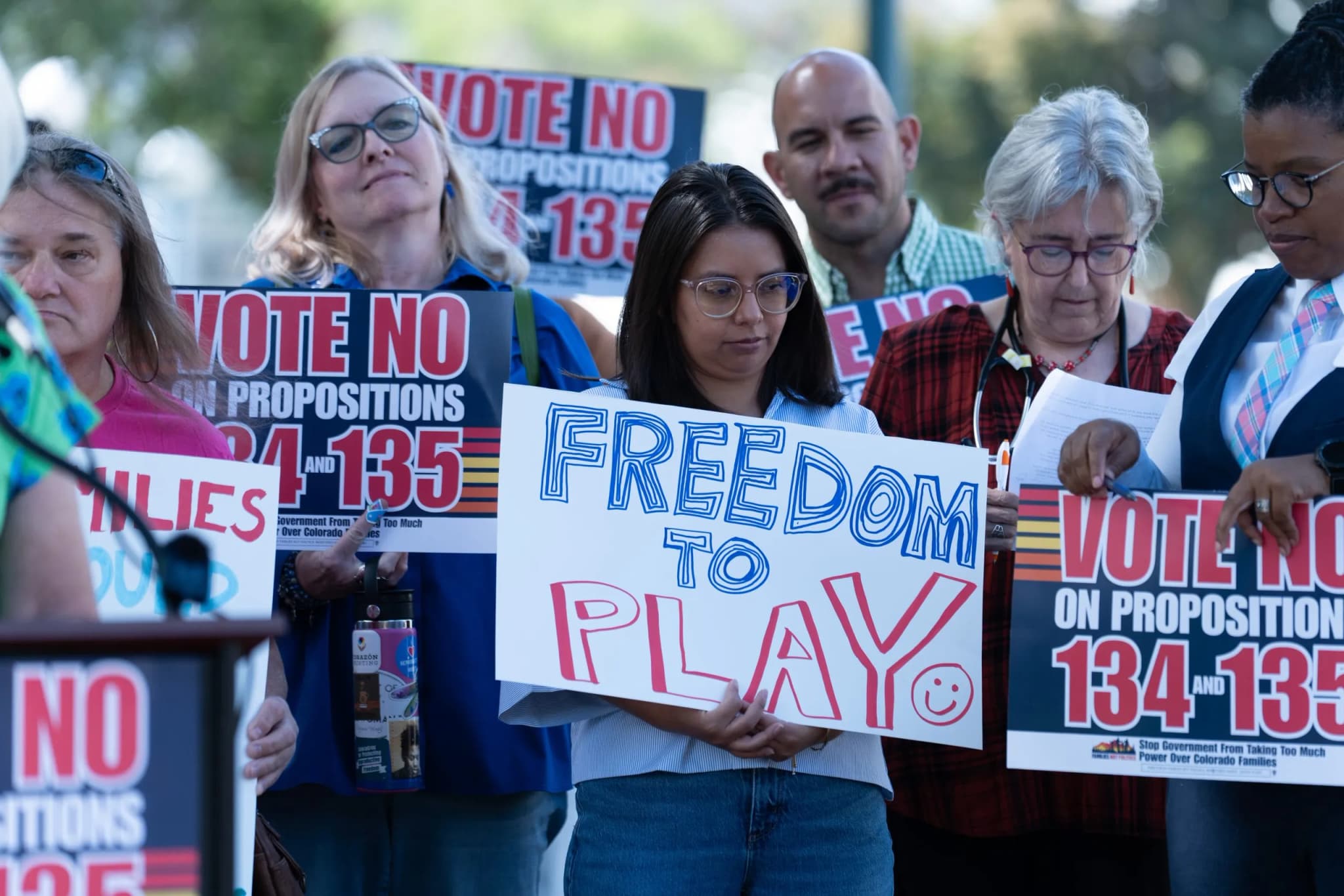
On the other side of the ledger sits Proposition 136, brought by Advance Colorado, a conservative think tank that sponsored nearly half of the ballot measures this cycle. Prop 136 would have capped the state’s income tax at its existing rate of 4.4%, locking it into the Taxpayer Bill of Rights. By early Wednesday, that measure appears to have failed by a comfortable margin. The latest results showed 1,040,427 “no” votes compared to 925,198 “yes” votes, a gap of more than 115,000. That is a decisive rejection of the status quo, at least in terms of keeping the flat rate protected by law.
The two measures were designed to interact. If both had passed, it would have created legal questions that a court would need to answer, according to the ballot booklet. But with Prop 136 failing and Amendment 87 holding a razor-thin lead, the path is clearer: Colorado’s tax code is about to change.
Colorado remains one of only 15 states with a flat tax rate. The federal government, along with 27 other states and Washington, D.C., uses some form of graduated income tax. Eight states have no income tax at all. For decades, Colorado’s flat rate was a point of pride for business leaders and a source of frustration for those who felt the system didn’t account for income disparity. Now, that debate is being settled not by a legislature in Denver, but by the quiet act of marking an "X" on a ballot in a living room or a polling place.
Stand there long enough and you can feel the weight of that 20,000-vote margin. It is not a lot in the grand scheme of a state with millions of voters, but it is enough to rewrite the rules for how every paycheck in Colorado is taxed. The final count will come Wednesday, Nov. 4, when the remaining mail ballots are tallied. Until then, the number sits at 50.5%, a decimal point that will determine whether your next tax return looks the same as it did last year or something entirely different.
The servers hum. The coffee in a mug on the desk has gone cold. Outside, the parking lot is emptying, cars pulling out into the dark with their headlights cutting through the mist. The numbers on the screen haven’t moved in ten minutes, but they could at any second.
Keep up with Aspen
The day's Western Slope news, one email each morning. Free.