Craig Coal Plant Closure Halted by Energy Department Order
The US Energy Department's emergency order has halted the closure of Craig Station Unit 1, a coal-fired power plant in Craig, Colorado, sparking controversy and lawsuits from environmental groups and the state attorney general.
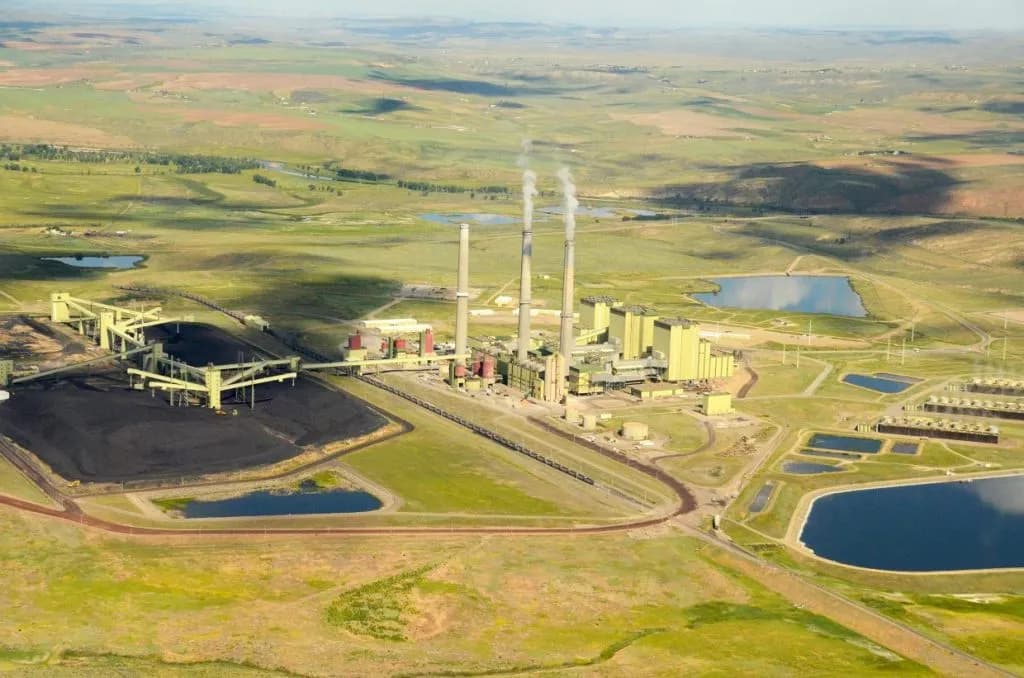
Craig —Snowflakes fall gently on the streets of Craig, a town where coal has long been a way of life — but the chill in the air isn't just from the winter weather. Tensions are running high as the community waits to see what will happen to the Craig Station Unit 1, a coal-fired power plant initially slated for closure on December 31. That closure is now on hold, thanks to an emergency order from the United States Department of Energy.
The order, issued under section 202(c) of the Federal Power Act, has forced the plant to remain open through at least March 30. Colorado Attorney General Phil Weiser and a coalition of environmental groups — including the Sierra Club, Vote Solar, and the Environmental Defense Fund, are pushing back, filing separate lawsuits in federal court to overturn the decision. Weiser claims there's no energy emergency, and stopping the unit's retirement won't ease any imagined energy need.
Make no mistake, this isn't just about one power plant in Craig. The Trump administration has used similar tactics to keep coal plants open in Michigan, Washington, Indiana, and an oil plant in Pennsylvania. The short version: the administration says it's about energy security, but critics argue it's really about propping up a dying industry. Margaret Kran-Annexstein, director of the Colorado Sierra Club, says the administration is "actively shutting down wind and solar projects across the country and eliminating renewable jobs; all while claiming that we have an electricity shortage."
The Energy Department's decision has been met with skepticism from locals who question the true motives behind the order. Folks around here know that coal has been a significant part of the region's economy, but they also know that times are changing. The planned closure was scheduled for a reason - it's no longer economically viable. Forcing it to stay open will result in unnecessary costs passed on to Coloradans in the form of higher electric bills, according to Weiser.
Read that again: higher electric bills for people in the valley, all to keep a coal plant running. The environmental impact is also a concern, as the plant will continue to pollute the region. Weiser calls the Energy Department's order an "unlawful abuse of the department's emergency authority" and says it "should be rescinded." The Trump administration, on the other hand, claims that the move is part of its effort to "unleash energy dominance" and reduce energy costs for American families.
An unnamed Energy Department spokesperson said last month that the administration is working to reduce energy costs, but critics argue that this approach is misguided. The administration's actions, including the rollback of clean energy investments, have been met with criticism from environmental advocates. The One Big Beautiful Bill Act, passed by Republicans in Congress, eliminated hundreds of billions of dollars in tax credits for renewable energy projects.
Worth watching: how this plays out in court. The lawsuits filed by Weiser and the environmental groups will test the limits of the Energy Department's authority under the Federal Power Act. If the administration's order is upheld, it could set a precedent for future interventions in the energy market. The community in Craig, and the state of Colorado as a whole, will be paying close attention to the outcome.
This will cost taxpayers. and the environment. The real question is, what's the true cost of keeping a dying industry on life support? The answer, much like the future of the Craig Station Unit 1, remains uncertain.
Keep up with Craig
The day's Western Slope news, one email each morning. Free.
Glenwood Springs Closes I-70 Interchange for $14 Million Road Overhaul

Colorado's New Digital Warrant Law Forces Social Media Platforms to Act Fast