Colorado Debates Data Center Boom Amid Environmental Concerns
The growth of data centers in Colorado has sparked a heated debate between environmental groups and labor unions, with lawmakers tasked to balance competing interests.
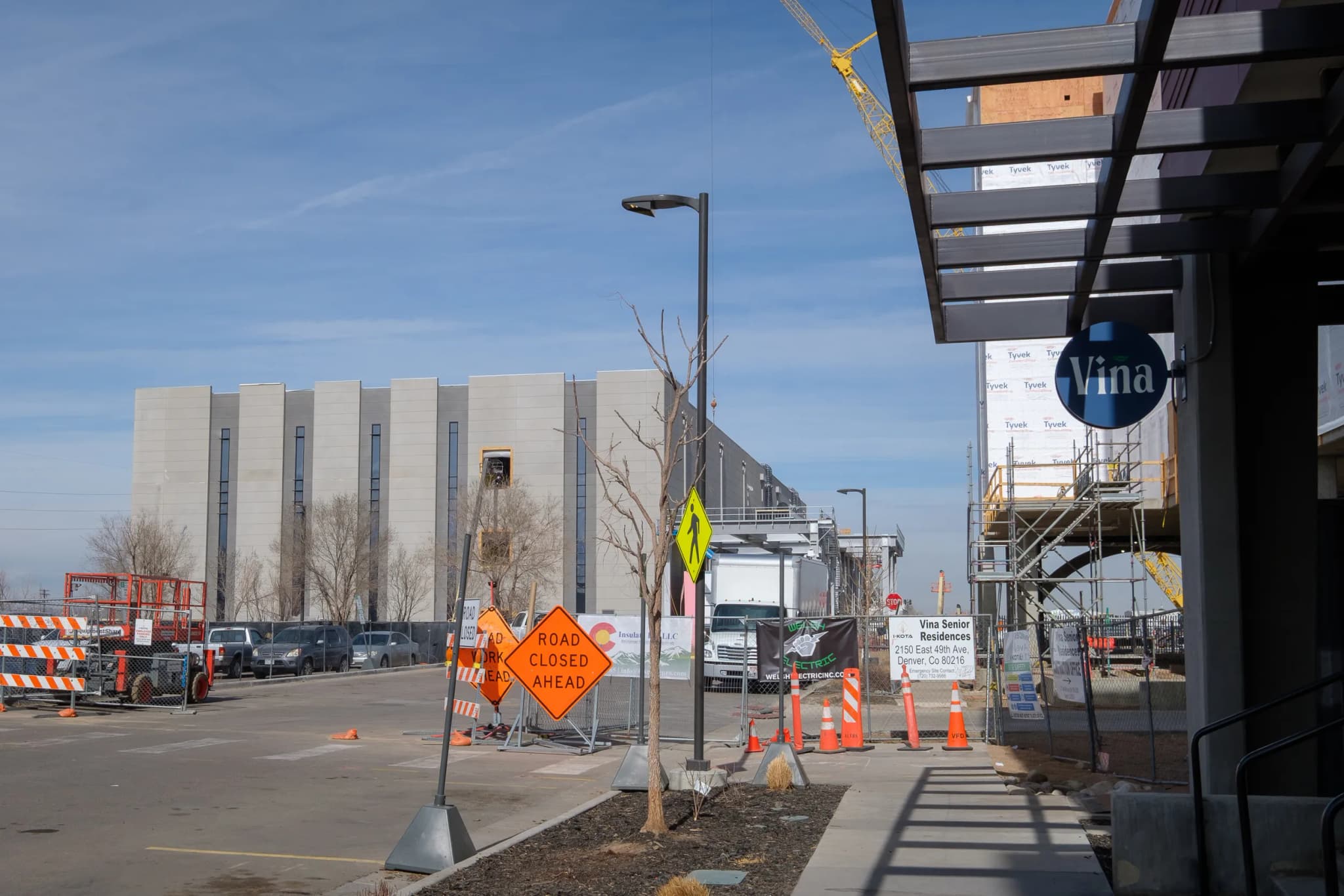
Colorado —Standing on the outskirts of Elyria-Swansea, the hum of CoreSite's data center is a constant presence, its sleek metal exterior a stark contrast to the worn, vibrant buildings of the surrounding neighborhood. The smell of sizzling meat wafts from Tacos El Huequito, a local staple that was once displaced by highway development, now nestled between the data center and a senior housing complex. This is the face of Colorado's data center boom — a tangled web of progress, community, and environmental concern.
Make no mistake, the backlash against data centers has ignited a firestorm of debate between Colorado's leading environmental groups and labor unions. The legislative proposal to rein in the energy-hungry facilities powering the artificial intelligence boom has become a point of contention. The bill, backed by environmental groups, would require developers to invest in climate-friendly energy and grid upgrades to cover the impact of their projects. This strategy, dubbed BYONCE, or "bring your own new clean energy," has been met with fierce opposition from labor unions, who warn that the proposal would drive good-paying jobs into neighboring states.
Nate Bernstein, executive director of Climate Jobs Colorado, an advocacy group working to ensure climate policies support union workers, testified that "the punitive measures this bill creates will effectively act as a prohibition on data center development." This sentiment was echoed by other labor activists, who struck a less confrontational tone but still called for substantial amendments to the bill. Official lobbying records show that leading unions oppose the legislation in its current form, aligning with business groups and the data center industry itself.
The data center industry has proposed an alternative bill, which offers a 20-year sales tax break if developers follow more moderate environmental regulations. This bill has garnered support from some labor organizations, who see the current buildout as a massive opportunity for skilled tradespeople and construction workers. However, the exact potential for jobs is unclear, as these facilities create fewer permanent jobs than other industries.
This debate is not new — tension between the labor and environmental movements has been simmering for decades. The two traditional Democratic constituencies have often battled over issues like this, with labor unions prioritizing job creation and environmental groups pushing for sustainable practices. In this case, the conflict has pitted union workers against environmental advocates, with each side dug in and refusing to budge.
As the legislative proposal makes its way through the committee process, it's worth watching how lawmakers will balance the competing interests of labor and environmental groups. The bill's fate will have significant implications for Colorado's data center industry, which is already a major player in the state's economy. Read that again, the industry is a major player, and its growth will have far-reaching consequences for the state's environment, workforce, and economy.
In Delta County, where a new facility is being built, locals are wary of the potential environmental impact. The county spends around $1 million annually on environmental initiatives, and residents are concerned that the development will increase the county's carbon footprint. However, labor unions argue that the project will bring in much-needed jobs and revenue, which will benefit the local community.
The short version is that this debate is about more than just data centers; it's about the future of Colorado's economy and environment. As the state navigates this complex issue, considering the perspectives of all stakeholders involved is essential. The community in Elyria-Swansea, where CoreSite operates, is already feeling the effects of the boom. The question is, what will be the ultimate cost of this growth, and who will bear the burden?
Keep up with Colorado
The day's Western Slope news, one email each morning. Free.
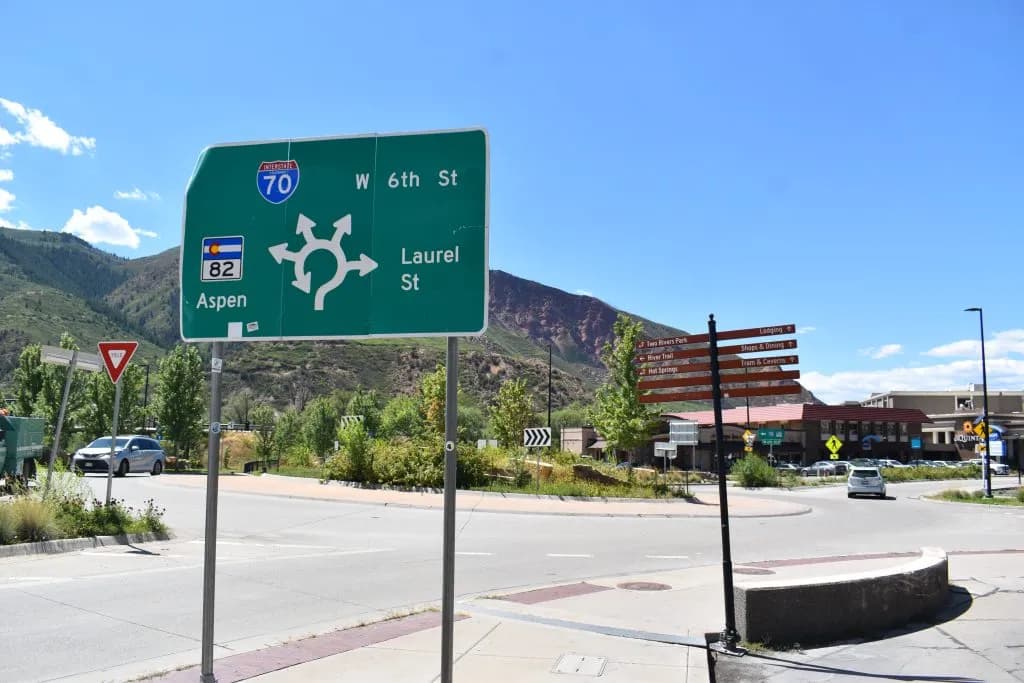
Glenwood Springs Closes I-70 Interchange for $14 Million Road Overhaul
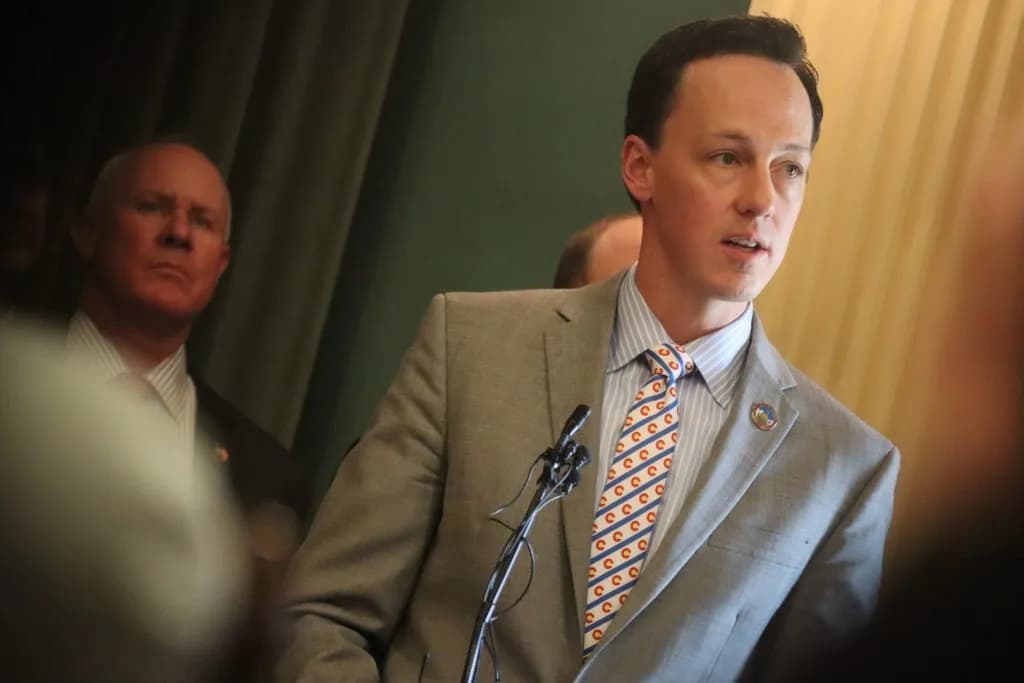
Colorado's New Digital Warrant Law Forces Social Media Platforms to Act Fast
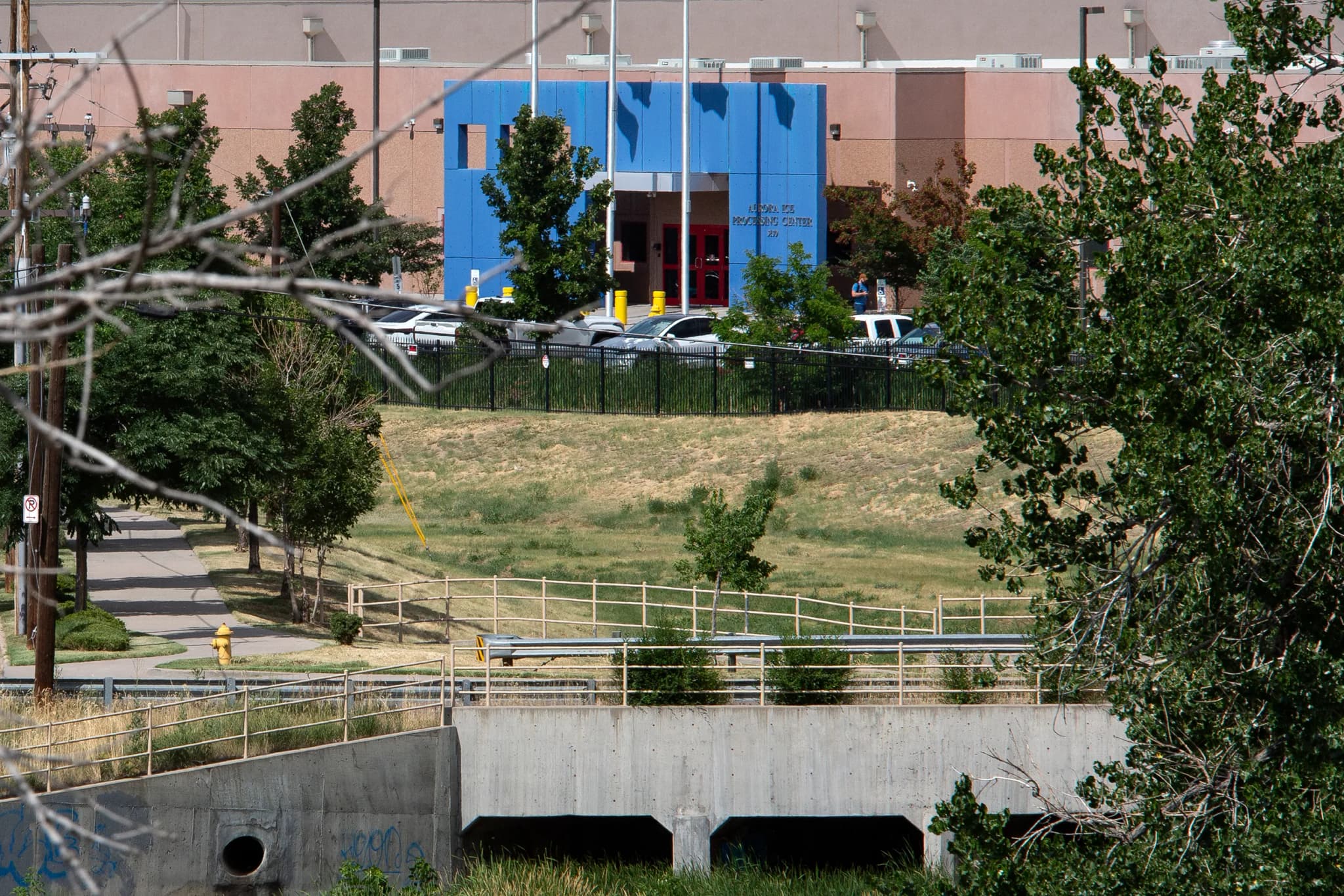
Sen. John Hickenlooper Presses Geo Group for Tuberculosis Data in Aurora
Federal Report Sets 200,000 Acre-Foot Water Conservation Target for Upper Basin

Colorado Parks and Wildlife Deploys Precision Drones for Weed Control