Colorado Department of Transportation Boosts Fire Mitigation Efforts
The Colorado Department of Transportation is taking proactive steps to reduce wildfire risk along highway corridors, amid record drought conditions and low snowpack.
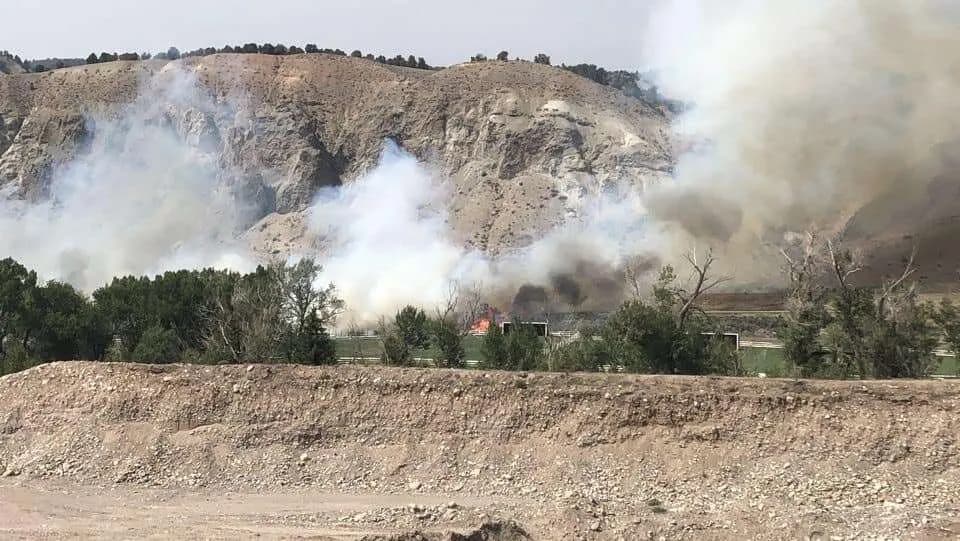
Craig —Make no mistake, the Colorado Department of Transportation's ramped-up roadside fire mitigation efforts are a direct response to the state's drought conditions — and a necessary one, given the record-warm winter and dismal snowpack. The numbers are stark: a worst-in-decades snowpack has Gov. Jared Polis activating the state's Drought Task Force, and CDOT is taking proactive steps to reduce wildfire risk along its highway corridors.
CDOT Deputy Director of Operations Bob Fifer puts it bluntly: "Our highway corridors run through some of the most fire-prone landscapes in the country." The department's responsibility, then, is twofold: keep roads open, and prevent their right-of-way from contributing to the fire problem. It's a tall order, but one that CDOT is tackling head-on with its accelerated roadside vegetation management program.
The focus is on high-priority corridors, with crews already mowing, clearing brush, and treating vegetation in areas identified as elevated fire threat zones. These zones include El Paso and Teller counties, Larimer County, Jefferson County to Garfield County, and the southwestern counties of Montezuma, La Plata, Archuleta, Dolores, and San Miguel. It's worth watching how these efforts play out, particularly in areas like the I-70 mountain corridor, where the danger of wildfires is especially high.
Dry, unmowed grass and dense brush along highway shoulders are common ignition points for roadside fires — often sparked by something as simple as a trailer chain or hot catalytic converter. To combat this, CDOT is expanding its use of herbicide treatment and mechanical brush removal along road shoulders, particularly in areas where topography and traffic volumes increase the likelihood of fires spreading. The goal is to create breaks that can slow or stop a fire from spreading to surrounding wildland. On mountain corridors, including portions of Interstate 70, U.S. Highway 6, and U.S. Highway 285, CDOT is coordinating with local and federal land managers to ensure treatments extend beyond the right-of-way where possible. This collaborative approach is key, given the interconnected nature of the state's ecosystems.
CDOT is also working closely with the Colorado State Patrol, Colorado State Fire Chiefs, county emergency managers, and local fire departments to share information and align protocols. The short version? CDOT is taking a proactive, multi-pronged approach to mitigating the threat of wildfires along its highway corridors. But it's not just about the department's efforts, drivers also have a role to play. With drought conditions worsening, transportation officials are urging drivers to be aware when driving through forested and grassland corridors, and to refrain from throwing cigarettes from their vehicles.
CDOT's efforts will cost money, of course - but the cost of inaction would be far higher. By investing in these efforts now, before the peak fire season, CDOT demonstrates its commitment to proactive management. Folks around here know that wildfire season is a serious concern, and this year, with drought conditions worsening, it's more critical than ever. The community should be paying close attention to CDOT's efforts, and to the role they can play in preventing fires. As the summer wears on, and the danger of uncontrolled fires increases, will these efforts be enough to prevent the worst, or will the state be facing a long, hot summer of flames?
Keep up with Craig
The day's Western Slope news, one email each morning. Free.
Glenwood Springs Closes I-70 Interchange for $14 Million Road Overhaul

Colorado's New Digital Warrant Law Forces Social Media Platforms to Act Fast