Colorado Farmers Swap Thirsty Crops for Black-Eyed Peas to Save Water
Colorado farmers explore swapping thirsty alfalfa for less-demanding crops like black-eyed peas to free up water for Front Range cities, but market stability remains the key hurdle.
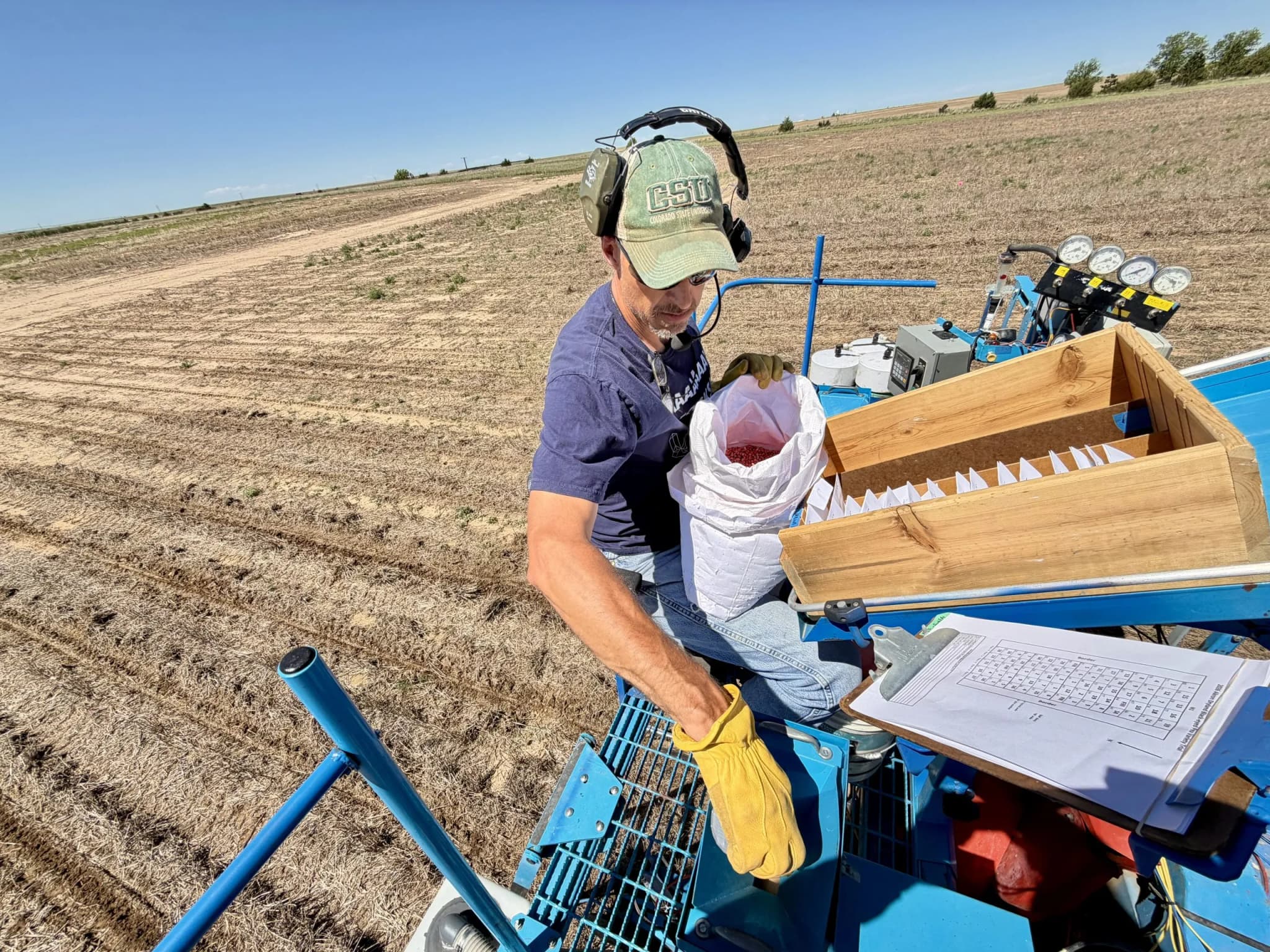
Colorado —“Why couldn’t a lot of eastern Colorado farmers switch crops to black-eyed peas, and sell their saved irrigation water to thirsty Front Range cities?”
That’s the question sitting in the dirt near Akron. It sounds simple enough. You swap a thirsty crop for a thirsty-less one, you save water, you sell it to the cities that need it, and everyone wins. The logic holds up when you look at the numbers.
In Burlington, it takes 44 inches of water a year to grow alfalfa. Only about 10 inches of rain falls there annually. You need to pull that extra 34 inches from somewhere. Black-eyed peas? They need just 15 inches. That’s a massive saving.
But here’s the catch, the one that keeps farmers awake at night: the market.
Colorado farmers can grow almost anything. They adapt on the fly. But they need a buyer come fall. If you plant a bumper crop of black-eyed peas in April, you need to know that the sudden influx won’t blow out the limited market for a legume most popular in the American South and Middle East.
“It takes 44 inches of water a year in Burlington to grow alfalfa,” says the data from Colorado State University’s crop-testing station. “Only about 10 inches of rain falls there annually.”
The gap is obvious. The solution seems obvious. But the market reality is messy.
Dairy farmers in Texas want more alfalfa than sainfoin. Some Colorado farmers still have unwanted hemp bales sitting in fields because the processing infrastructure didn’t keep pace with the boom. You can’t just switch crops and expect the buyers to follow. You have to build the market, or you’re left holding the bag.
This isn’t just about Akron. It’s about Mesa County, where farmers might leave more water in the Gunnison River by growing obscure but nutritious sainfoin for cattle forage. It’s about the San Luis Valley, where rye grass could help the dwindling Rio Grande and hold soil against unhealthy winter dust storms. It’s about Fruita, where camelina might fuel bio-jet planes.
The question is whether these niche crops can scale. Can we move from experimental plots to thousands of acres without crashing the price?
The data supports this. Agriculture uses up to 90% of Colorado’s available water. That’s not a small slice of the pie. That’s the whole pie. If we can shift even a fraction of that acreage to less-thirsty varieties, we free up water for the Front Range. We calm the interstate wars. We stabilize the rivers.
But it requires more than just seeds. It requires contracts. It requires buyers who are willing to pay for the water savings, not just the crop. It requires a shift in how we value water itself.
As the Colorado Sun’s solutions journalism series notes, “Where Colorado will find the water it needs to thrive is a more urgent question than ever amid historic drought, undeniable climate change and unprecedented interstate conflicts over limited river supplies.”
The technology is there. The seeds are there. The water savings are there. The missing piece is the market structure to make it profitable for the farmer.
The direction is clear. We can’t keep growing the same thirsty crops with the same expectations. We have to adapt. We have to find new buyers. We have to value water differently.
“The numbers point to seemingly obvious questions,” the report concludes. But the answer isn’t just in the numbers. It’s in the market.
Keep up with Colorado
The day's Western Slope news, one email each morning. Free.

Steamboat Recommends E-Motorcycle Education to Clarify Rules
BLM Clears 113 Roan Plateau Parcels for December 2026 Oil and Gas Lease Sale
Southern Colorado Releases 2,500 Acre-Feet to Save Drying Arkansas River
Federal Report Sets 200,000 Acre-Foot Water Conservation Target for Upper Basin

Colorado Parks and Wildlife Deploys Precision Drones for Weed Control