Colorado Initiative 195 Replaces Flat Tax With Six-Bracket System
Colorado’s Initiative 195 qualified for the November ballot, proposing a six-bracket income tax to replace the flat 4.4% rate. The measure aims to raise $2 billion annually for schools and healthcare.
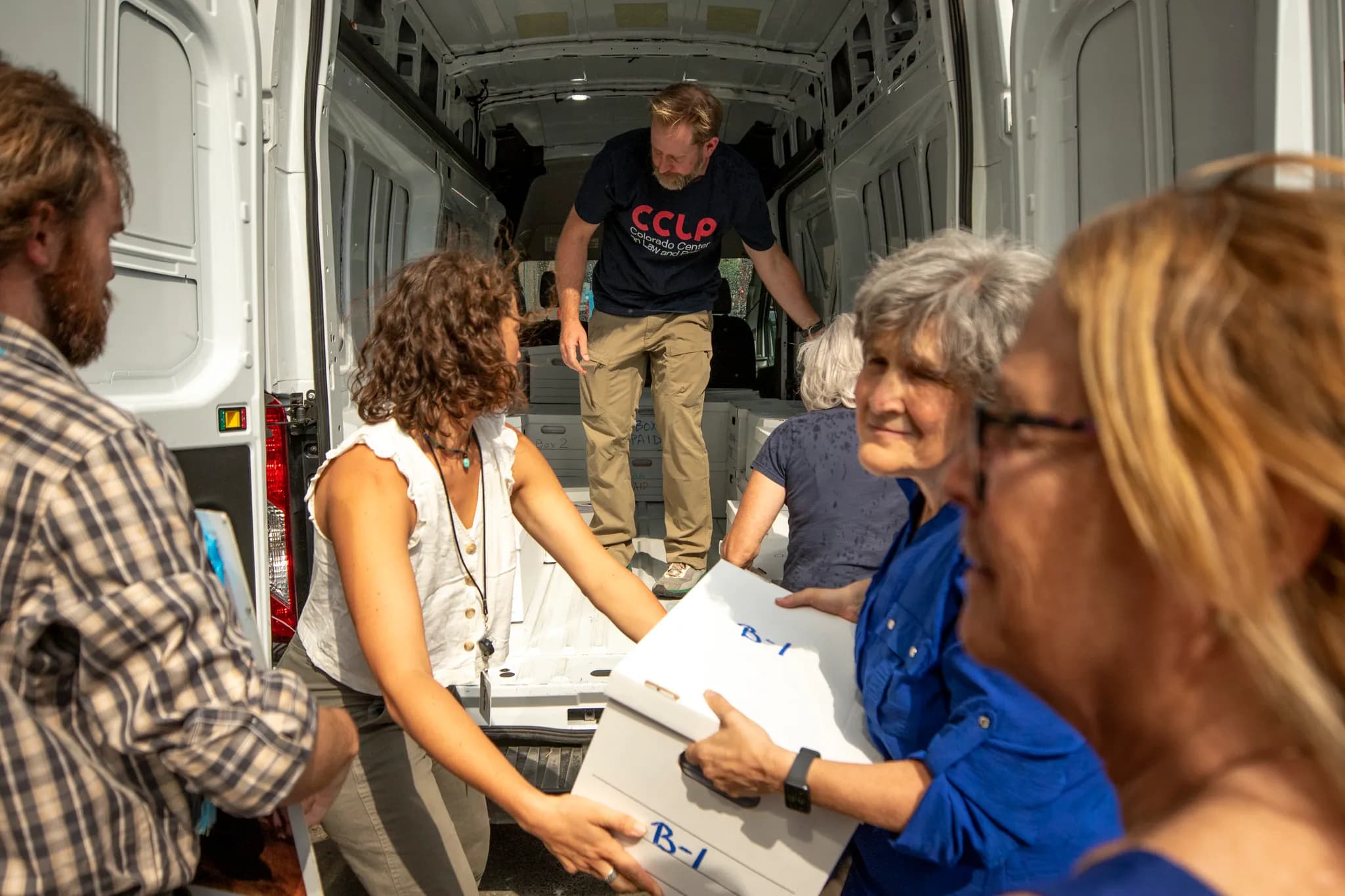
The air in Denver is crisp, carrying the faint scent of dry earth and diesel fumes from the I-25 corridor. Outside the Colorado Secretary of State’s Office, volunteers in high-visibility vests haul heavy cardboard boxes across the concrete. Inside, the ink is still wet on thousands of signatures. This wasn’t just a signature drive; it was a deadline sprint that ended with a victory.
The Secretary of State’s Office confirmed Tuesday that Initiative 195 has met the threshold. The measure will appear on the November ballot, asking Coloradans to amend the state constitution. For decades, Colorado has relied on a flat 4.4% income tax. Initiative 195 proposes replacing that flat structure with a graduated, six-bracket system.
Let’s do the math on what this actually means for your wallet. Under the proposal, the tax rate is tied to federal taxable income.
- Income up to $25,000: The rate drops to 3.7%.
- Earnings between $25,000 and $100,000: The rate is 4.2%.
- Income between $100,000 and $500,000: The rate stays at the current 4.4%.
- Earnings between $500,000 and $750,000: The rate jumps to 7.4%.
- Income between $750,000 and $1 million: The rate is 7.9%.
- Income over $1 million: The top bracket hits 8.4%.
For context, the median household income in Colorado hovers around $95,000. If you’re in that middle ground, you’re seeing a small win. Your effective tax rate would dip from 4.4% to roughly 4.07%. That translates to a savings of a few hundred dollars a year. It’s not a life-changing windfall, but it’s money back in your pocket.
Now, look at the other side of the ledger. A family earning $1.2 million annually would see their effective tax rate climb to 6.39%. That specific jump results in nearly $24,000 more going to the state coffers in income taxes alone. On paper, this is a redistribution mechanism. In practice, it’s a trade-off: lower rates for the bottom and middle, higher rates for the top.
So, where does the new money go? The proposal estimates this structure will raise approximately $2 billion annually. That’s a massive injection of capital. The designated recipients are clear: K-12 schools, healthcare, and early childhood programs. These are the sectors where funding gaps are most visible to locals.
The political machinery behind this effort is equally interesting. The Protect Colorado’s Future Coalition is the official issue committee backing Initiative 195. Their success was less about grassroots momentum and more about a late-stage financial rescue. Through June 24, the group had raised a modest $100,000. Then, the floodgates opened. Between June 25 and July 27, they took in over $300,000. That cash allowed them to hire signature gatherers, ensuring the measure made the ballot. Major donors included the Bell Policy Center, a liberal think tank, which contributed $100,000, alongside the Colorado Statewide Parent Coalition.
This isn’t just a tax change; it’s a structural shift in how the state funds itself. The flat tax era is facing its biggest challenge yet. Whether voters accept the trade-off — lower rates for most, significantly higher rates for the wealthy, in exchange for billions in new program funding — will be decided in November. Until then, the math is simple: the state gets richer, the top earners pay more, and the middle class gets a small break.
Keep up with the Western Slope
The day's Western Slope news, one email each morning. Free.