Colorado Labor Force Participation Hits 48-Year Low
Colorado's labor force participation drops to its fourth-lowest level since 1976, driven by natural attrition and demographic shifts rather than mass layoffs, leaving a 3.9% unemployment rate.
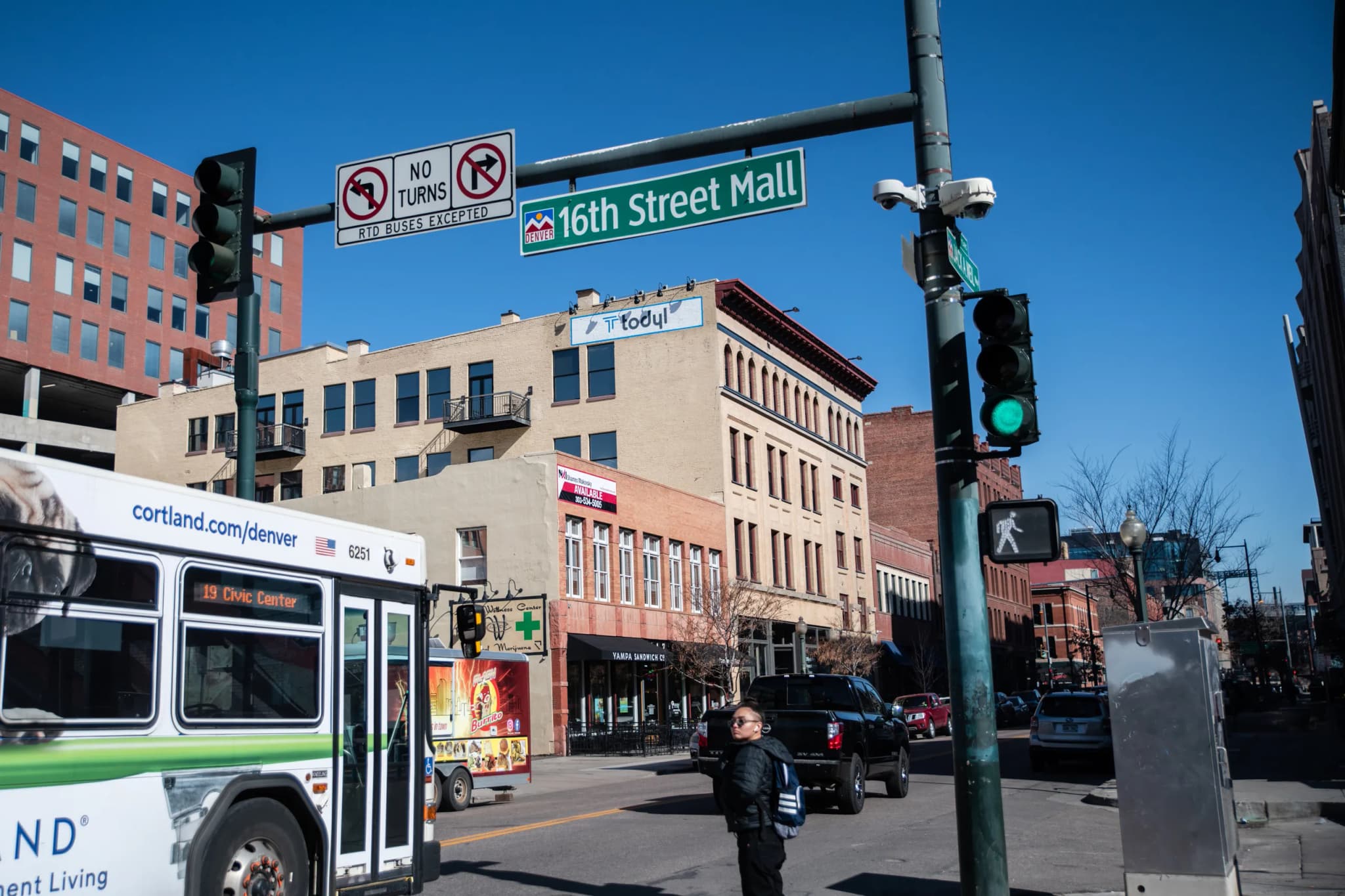
Colorado —Colorado’s labor force shrank again in March, dropping to the fourth-lowest participation rate since records began in 1976.
The unemployment rate held steady at 3.9%. That’s lower than last year’s 4.2% and better than the national average of 4.3%. But the headline number hides a deeper contraction. An estimated 26,192 Coloradans stopped working or looking for work since December. The participation rate sank to 66.3%. It’s the lowest level since August 2020.
This isn’t a sudden crash. It’s a slow bleed.
Timothy Wonhof, director of the state labor department’s office of labor market information, called the persistent reduction in the labor force “concerning.” He noted that unemployment claims haven’t spiked to match the drop. This suggests natural attrition rather than mass layoffs. We are in a “low-hire, low-fire” environment. Employers are holding on to staff but aren’t replacing those who leave.
The number of job openings has declined. Companies either found enough workers or figured out how to operate with fewer.
Brian Lewandowski, executive director of the University of Colorado’s Business Research Division, sees a broader pattern. Forty states saw a decline in labor force participation over the past year. Only five states, including Colorado, are near their historically lowest rates. Delaware, Idaho, Maryland, and Wyoming are at their absolute lows.
“The 4th-lowest in the series is surprising,” Lewandowski said. He pointed to demographic shifts, slow net migration, and a slowing job market as the drivers.
Colorado’s population still grew past 6 million for the first time. But the composition is changing. More people moved out than moved in last year. The growth came from babies and immigrants, not necessarily new workers entering the prime-age bracket.
Gary Horvath, an economist in Broomfield, sees the writing on the wall. Baby boomers are aging out. There are fewer young people. Fertility rates are down. This shrinks the pool of eligible workers. They may or may not want to work. The math is simple: fewer people of working age means a smaller labor force, regardless of how many jobs exist.
The number of working men of all ages is shrinking too. The cause? Likely the cost or availability of healthcare, though the source cuts off there. It’s a familiar struggle for locals who remember when every open position was filled within days. Now, vacancies sit empty or get absorbed by existing staff working longer hours.
The state’s labor force remains around 3.2 million people. That’s near its peak in fall 2024. But the structure beneath that number has shifted. The workforce is older. It’s smaller relative to the total population. And it’s not bouncing back quickly.
Lewandowski noted that comparable declines have happened several times since 1976. Those were seasonal adjustments. This is different. This is the lowest rate in the series history, outside of the pandemic.
What does that mean for the Western Slope? It means fewer workers to fill jobs in agriculture, tourism, and healthcare. It means wages might rise to attract talent, but it also means businesses might struggle to expand. If the labor pool keeps shrinking, the “low-hire” trend becomes a permanent feature.
Wonhof said we may assume the decline is associated with natural attrition. That’s a polite way of saying people are retiring and not being replaced. It’s not a crisis yet. But it’s a structural change. And it’s here to stay.
The data doesn’t lie. The workforce is getting smaller. And it’s not waiting for anyone to catch up.
Keep up with Colorado
The day's Western Slope news, one email each morning. Free.
Federal Report Sets 200,000 Acre-Foot Water Conservation Target for Upper Basin
Colorado Parks and Wildlife Deploys Precision Drones for Weed Control