Colorado Lawmakers Reject Wolf Reintroduction Transparency Plan
Colorado lawmakers have rejected a plan to increase transparency around the state's wolf reintroduction program, which will cost taxpayers $2.1 million annually.
Aspen —Make no mistake — Colorado lawmakers just rejected a plan to increase transparency around the state's wolf reintroduction program, a move that will cost taxpayers $2.1 million annually. The Joint Budget Committee discussed the proposal on March 23, and the decision was made to stick with existing reporting requirements.
The committee staff had suggested creating a separate budget line item to list the costs associated with capturing and releasing new wolves. This would not have required additional funds, but rather a reorganization of the existing $2.1 million allocation for wolf reintroduction. Kelly Shen, a Joint Budget Committee staff member, noted that separating out this budget item "could allow for increased transparency and clarity."
However, the Department of Natural Resources, which oversees Parks and Wildlife, had a "strong preference" against doing so. The department claimed that the current appropriation already has sufficient transparency and reporting requirements, including two budget footnotes, an annual depredation compensation report, an annual wolf report, and an annual expense report.
Parks and Wildlife receives $2.1 million from the state's budget for wolf reintroduction, initiated by a 2020 ballot measure. An additional $350,000 is allocated annually for the Wolf Depredation Compensation Fund to compensate ranchers for livestock losses.
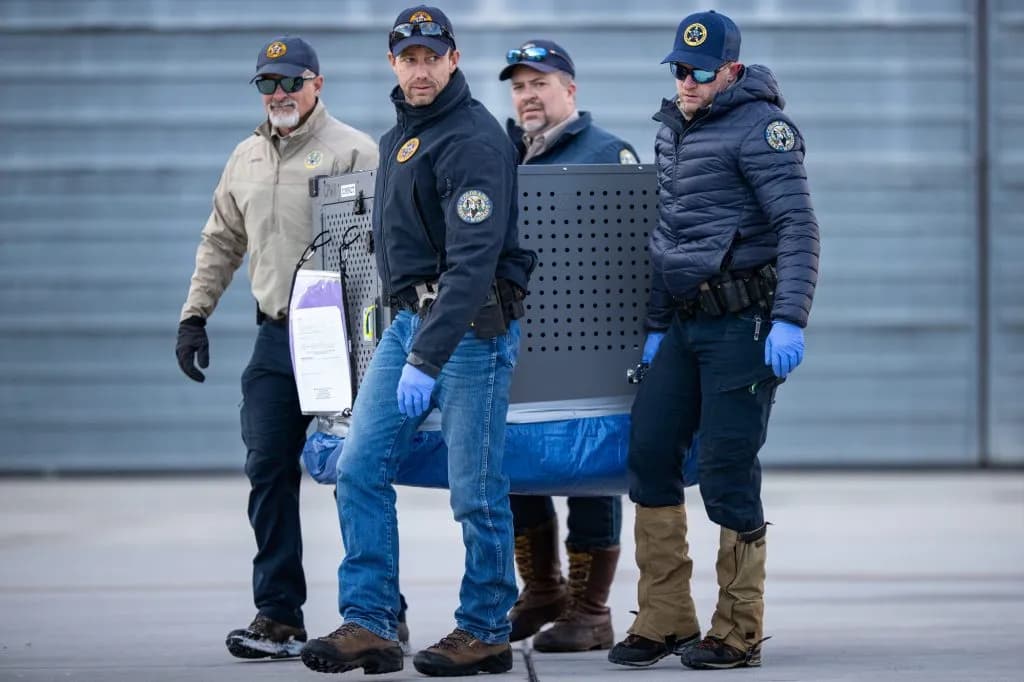
During the committee meeting, Parks and Wildlife recommended a $450,000 appropriation for a separate line item for wolf translocation costs — nearly twice the $257,000 spent on the January 2025 capture and release operations in British Columbia. This amount was based on a less-than-ideal capture scenario, considering potential weather delays or complications.
Rep. Rick Taggart, R-Grand Junction, expressed discomfort with the new estimate, which was part of his reason for opposing the creation of a new line item. The rejection of this plan means that wolf translocation expenses will remain lumped into a line item with all wildlife-related expenses on the budget.
Locals should note that the state's wildlife agency nearly doubled its previous estimates for wolf capture and release costs. This increase will be covered by the existing $2.1 million allocation, without additional funding.
The short version: lawmakers chose not to increase transparency around wolf reintroduction costs. Worth watching: how this decision affects the program's accountability and the community's trust in the state's management of the wolf population.
Read that again: the Department of Natural Resources had a "strong preference" against creating a separate budget line item for wolf translocation costs. What they're not saying is how this decision will impact the program's overall transparency and the public's ability to track expenses.
In Delta County, where wolf sightings have been reported, this lack of transparency may raise concerns among locals. The county spends around $2 million on wildlife management and conservation efforts annually, a figure that pales in comparison to the state's $2.1 million allocation for wolf reintroduction.
As the wolf reintroduction program continues, folks around here will be keeping a close eye on how funds are being used and whether the current reporting requirements are sufficient. The community's trust in the state's management of the wolf population is at stake.
This will cost taxpayers $2.1 million; a figure that's likely to increase as the program expands. Neighbors in the valley should be aware of how their tax dollars are being spent and demand clarity on the expenses associated with the wolf reintroduction program.
The decision to reject the transparency plan is a sharp reminder that accountability and transparency are essential in managing public funds and programs. Transparency and clarity in budgeting and reporting practices are necessary for the state to build trust and support for the wolf reintroduction program.
In the end, it's the community that will bear the consequences of this decision. The lack of transparency will only fuel concerns and mistrust among locals, making it challenging for the state to build trust and support for the wolf reintroduction program.
Keep up with Aspen
The day's Western Slope news, one email each morning. Free.
Glenwood Springs Closes I-70 Interchange for $14 Million Road Overhaul

Colorado's New Digital Warrant Law Forces Social Media Platforms to Act Fast