Western Slope Workers Face Setback as Lawmakers Weaken Heat Protection Bill
Lawmakers have weakened a bill aimed at protecting workers from extreme temperatures, citing budget concerns. The move is a significant setback for workers on the Western Slope.
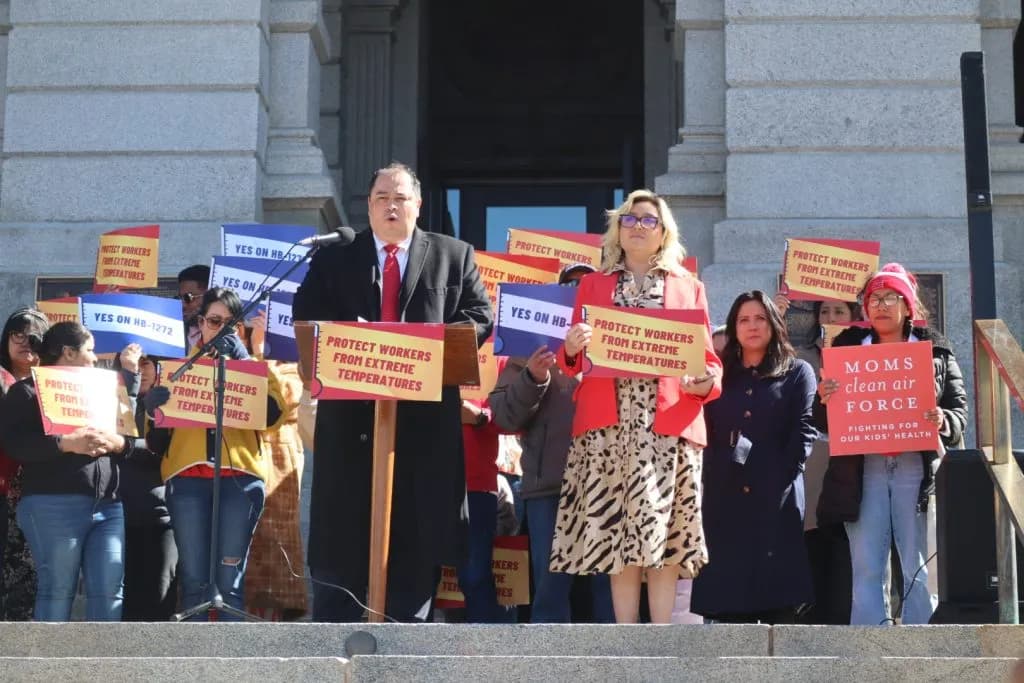
Glenwood Springs —Make no mistake, the watering down of House Bill 1272 is a significant setback for workers on the Western Slope. Initially, this bill aimed to protect workers from extreme temperatures by requiring employers to develop site-specific plans — a crucial measure, especially for those in industries like agriculture, construction, and landscaping, who are often exposed to harsh weather conditions.
The short version: lawmakers stripped key components of the bill, citing funding issues amid the state's $1.5 billion budget shortfall. Gone are the provisions that would have required employers to provide paid breaks, access to water and rest areas, and follow state-approved training standards. These changes will cost workers dearly — the original provisions would have applied to state agencies, private businesses, and would have gone into effect in 2028.
Rep. Elizabeth Velasco, the bill's sponsor, expressed frustration at the changes, acknowledging the state's budget constraints. "It's extremely frustrating... there's a lot of important things that we're not able to fund," she said. The state's budget shortfall is no secret, but that doesn't make the decision to weaken the bill any less troubling.
The Health and Human Services Committee did leave in place a provision requiring the Colorado Department of Labor and Employment to collect data on employers and existing safety practices. They'll also develop an optional model plan for employers to prevent workplace illnesses and injuries due to extreme temperatures, but this will only be completed in 2027.
Voces Unidas, a Glenwood Springs-based immigrant advocacy group, has been championing this bill, along with other progressive groups and labor organizations. During a rally at the Capitol, President and CEO Alex Sanchez shared stories of workers affected by extreme temperatures, including a landscaper who suffered heat stroke and a snow removal worker who lost a finger to frostbite. "People are getting sick. People are getting hurt. And too often, they're being expected to just keep working," Sanchez said.
Business groups and Republicans have voiced concerns that the bill could further regulate businesses in Colorado and that the legislation would be redundant. Michael Cox, an attorney representing the Colorado Chamber of Commerce, argued that state employers are already subject to federal worker safety standards.
Read that again: federal standards are already in place, but that hasn't stopped workers from getting hurt. The fact that some lawmakers are using this as an excuse to weaken the bill is worth watching.
In Delta County, where agriculture is a significant part of the economy, workers are often exposed to extreme temperatures. The county spends around $5 million annually on various services; the same amount that fiscal analysts projected the original bill provisions could have cost the state.
The bill's fate is still uncertain, but one thing is clear: workers on the Western Slope will be watching closely. As Velasco said, the measures that remain in the bill are still a step forward, but they're a far cry from the comprehensive protections that workers need.
The community will be waiting to see how this bill progresses - and what it will mean for workers in industries that expose them to extreme temperatures. For now, the question remains: what will it take for lawmakers to prioritize worker safety over budget concerns?
Keep up with Glenwood Springs
The day's Western Slope news, one email each morning. Free.
Glenwood Springs Closes I-70 Interchange for $14 Million Road Overhaul
Colorado's New Digital Warrant Law Forces Social Media Platforms to Act Fast