Colorado Leads Nation in Disc Golf Growth and Accessibility
Colorado tops the U.S. in disc golf availability as low costs and park integration drive a surge in participation, transforming public spaces into vibrant community hubs.
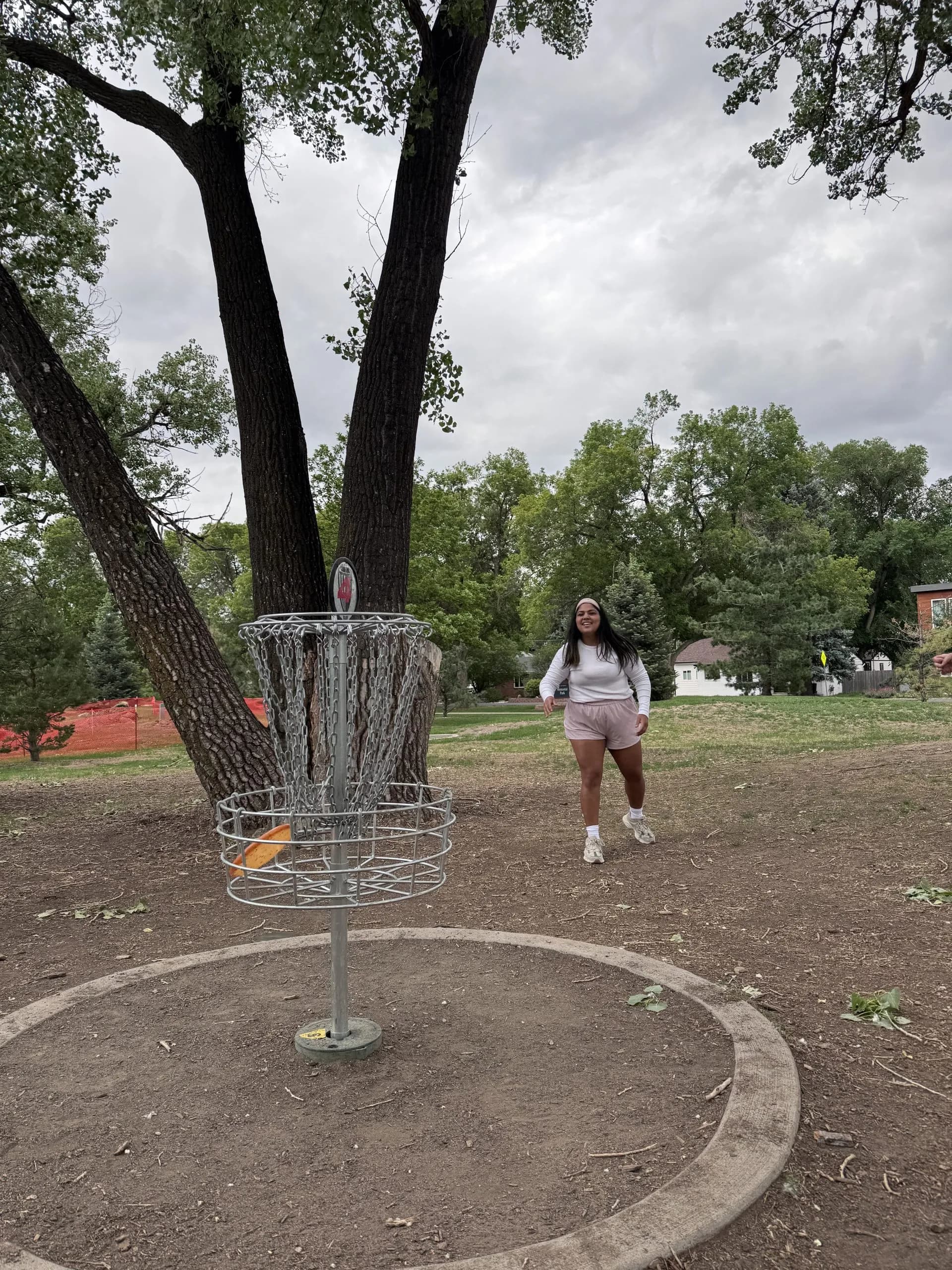
Colorado —“The sound of clanging chains echoes through Johnny Roberts Disc Golf Course at Memorial Park as small orange discs crash into metal baskets,” the Colorado Sun reports, capturing the visceral reality of what is now the busiest disc golf course in the nation. It’s a rhythmic, metallic percussion that plays out against the backdrop of Ralston Creek, a soundscape that has become the anthem for a sport Colorado is rapidly claiming as its own.
Colorado leads the nation in disc golf availability, according to the UDisc 2026 Disc Golf Growth Report, a statistic that feels less like a statistical anomaly and more like a reflection of how locals are reclaiming space. With more than 17,000 courses worldwide and the U.S. boasting over 11,000 of its own, the appeal lies in the footprint. Traditional golf demands acres of manicured turf and water features; disc golf asks for a few trees, a path, and a basket. It is accessible, it is cheap, and it is everywhere.
Josh Lichti, cofounder and CEO of UDisc, notes that “it’s something you could do during your lunch break, or the kids can get out there and do.” This accessibility is driving the boom. Eighty-nine percent of U.S. courses are free, removing the financial barrier that has long kept traditional golf the domain of the wealthy. The result is a democratization of leisure that is reshaping how communities use their public lands.
But the growth isn’t just about volume; it’s about who is playing. Ali Lance, a Colorado local who started in 2014, remembers when she was “definitely one of the only women out on the course.” That isolation has shifted. She founded the Boulder Ladies Disc Golf Club, which now draws more than 70 members to Valmont City Park every Monday summer morning. “I wanted to create a space for the women to play together and learn from each other while they play,” Lance says. What began as a solitary effort has become a network, proving that the game fosters connection as much as competition.
Monica Thomas, chief operating officer at UDisc, observes that “people build communities just because they see other people out on the course regularly.” This isn’t just about throwing plastic; it’s about the social infrastructure that forms around it. Tournaments are common, but the real engine is the recreational player grabbing a frisbee and heading to the nearest park.
The contrast with traditional golf is stark. While the Nordic countries are also embracing the sport — with Norway building 100 courses a year and Iceland boasting one course per 4,500 residents — Colorado’s surge is distinct in its density and its integration into existing urban parks. The sport’s founding in California in 1975 has rippled outward, but it is here, in the shadow of the Rockies, that it has found a particularly fervent following.
If you look closely at the courses popping up across the state, from Arvada to Fort Collins, you see a different kind of golf course. They are smaller, yes, but they are also more integrated into the daily lives of neighbors. You don’t need a foursome or a cart. You just need a disc and a few minutes.
The chains rattle. The discs fly. And somewhere along Ralston Creek, a new community is forming, one throw at a time.
Keep up with Colorado
The day's Western Slope news, one email each morning. Free.
Stanford and MD Anderson Studies Target Single Receptor to Reverse Aging
Tribal members bless Mount Blue Sky summit for Colorado sesquicentennial
Craig Press Merges Two Magazines to Define Northwest Colorado’s Outdoor Identity
Federal Report Sets 200,000 Acre-Foot Water Conservation Target for Upper Basin
Colorado Parks and Wildlife Deploys Precision Drones for Weed Control