Colorado Legislature Passes Mobile Home Park Transparency Bill
Colorado's House Bill 1224 requires mobile home park landowners to disclose financial and infrastructure details before selling, aiming to empower residents and level the playing field against outside investors.
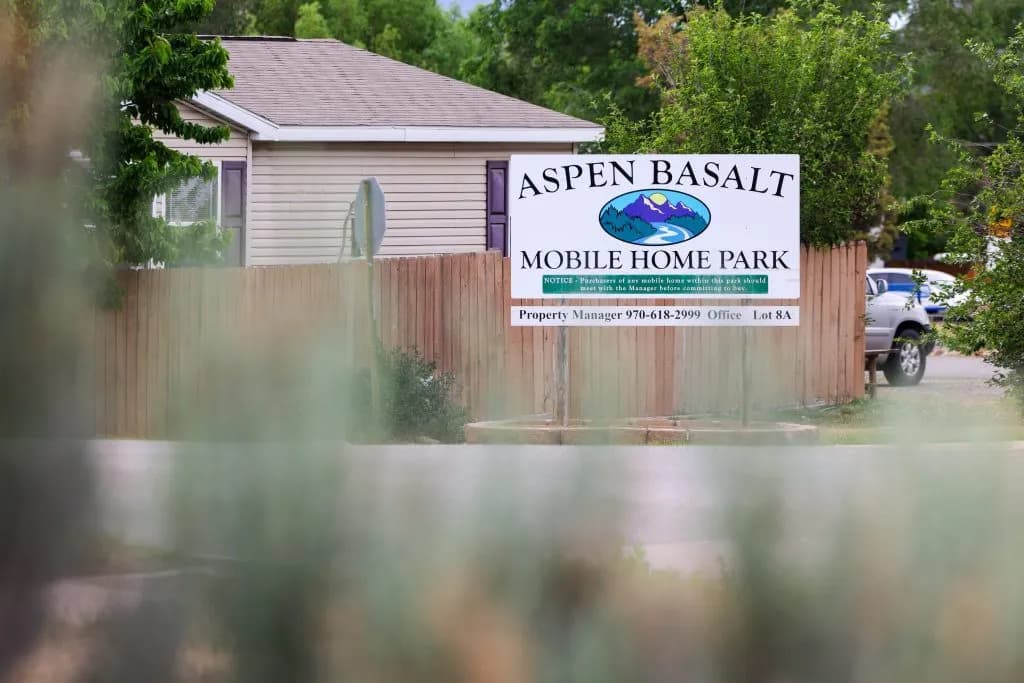
Aspen —What happens to your monthly rent when the people who own the land beneath your mobile home decide to sell?
That is the central question facing residents of Colorado’s mobile home parks after the state legislature passed House Bill 1224. The bill, which requires greater transparency from landowners looking to sell their property, cleared both the House and Senate on party lines and now awaits Gov. Jared Polis’s signature.
For decades, mobile home park residents have occupied a unique space in the housing market. They own the structure they live in, but they rent the land underneath it. This arrangement has long been a source of vulnerability. If the landowner decides to sell, residents often find themselves scrambling to compete with outside investors who have deeper pockets and no emotional attachment to the community.
“Mobile home parks are some of the original affordable housing in all of our communities and some of the last remaining, naturally occurring affordable housing that doesn’t come with given rent restrictions or government subsidies,” said Sen. Dylan Roberts, D-Frisco, the bill’s primary sponsor.
Roberts argues that HB 1224 levels the playing field. The legislation builds on a 2022 state law that gave residents the right of first refusal to buy their park if the landowner chooses to sell. But Roberts says that right was hollow without clear information. How much is the park actually worth? What is the condition of the infrastructure?
Under the new law, landowners must disclose specific financial and physical details before a sale can proceed. This includes an explanation of the park’s price, the age of its infrastructure, inspection reports, rent data (with personal information redacted), and operating expenses. If the park is being sold as part of a larger portfolio of real estate, landlords must also disclose any changes or discounts applied to the park’s valuation.
The goal is to empower homeowners to organize and potentially buy the land themselves. Without this data, residents are flying blind. With it, they can make informed decisions about whether to invest in their community or accept a buyout.
But the move wasn’t without friction. Republicans and industry representatives argued that the transparency requirements could be burdensome for smaller park owners and might compromise seller confidentiality. They worried that forcing landowners to reveal detailed financials could deter buyers or lower sale prices.
Bill sponsors addressed these concerns with amendments. Landowners will no longer be required to disclose sale information for non-related properties, shielding them from having to open their entire portfolio to scrutiny. Additionally, lawmakers pushed the implementation date back from this year to Jan. 1, 2027, giving owners more time to adjust to the new reporting standards.
The bill also addresses a smaller but persistent cost: the annual mobile home park registration fee. Currently, landowners can charge tenants up to the full state fee. HB 1224 caps this charge at $17, or half the registration fee, whichever is less. It’s a modest saving, but in an industry where margins are tight and every dollar counts, it adds up.
The legislation passed along party lines, with Democrats supporting and Republicans opposing. It joins another measure, House Bill 1145, which strengthens the Colorado Department of Public Health and Environment’s ability to force park owners to fix water-related issues like E. coli outbreaks. That bill was already signed into law by Polis in May.
As Roberts noted, these parks are a critical piece of the state’s affordable housing puzzle. They don’t come with the usual government subsidies or rent controls. They rely on market dynamics that have historically favored the landowner. This new transparency requirement shifts a bit of that power back to the residents.
Roberts pointed to the growing need for affordable housing options that don’t rely on government subsidies. “We need to ensure that the people who built these communities have a fair shot at keeping them,” he said.
The bill now moves to the governor’s desk. If signed, the changes will take effect in 2027. For now, residents across the state are waiting to see if the promise of transparency translates into actual control over their homes and their future.
Keep up with Aspen
The day's Western Slope news, one email each morning. Free.



The digital counter on the side of the bus in Carbondale ticks over, but the seats inside are half-empty

Eagle County Launches Aging Well Roadmap To Keep Seniors Housed