Colorado Opens 2026 Hunting Seasons With New Safety Rules
The 2026 Colorado hunting season begins September 2, requiring hunters to wear fluorescent orange and urging all outdoor users to share trails safely with rifles in the field.

Steamboat Springs —The air in the San Juan Mountains turns crisp and thin as September settles over the valley, the kind of cold that bites through a flannel shirt and makes you pull your collar up against the wind. Up on the ridgelines, where the pines thin out and the sky stretches wide and blue, the silence is heavy with the promise of what’s coming. This is when the landscape shifts. The leaves on the aspen begin to yellow, a slow fire starting at the top of the canopy and working its way down. It’s beautiful, but it also marks a change in who owns the quiet hours of the morning and evening.
According to the Craig Daily Press, the 2026 hunting seasons have officially begun, and with them comes a shared responsibility that extends far beyond the hunter. Colorado Parks and Wildlife emphasizes that most of our public lands are multi-use, meaning hikers, bikers, leaf peepers, and OHV users will share the trails with those carrying rifles. The agency urges all outdoor recreationists to show respect and courtesy, a simple concept that becomes critical when you’re navigating the same narrow switchbacks or ridge lines.
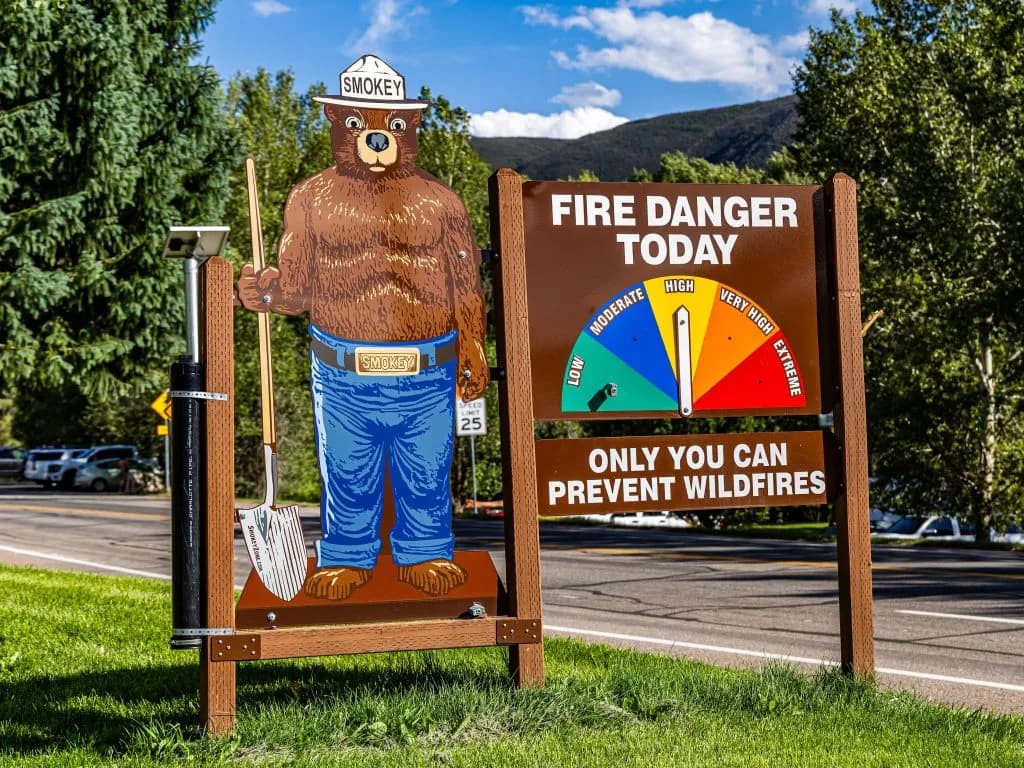
For those planning their fall adventures, the news is practical and specific. The paper details that hunters can use the Colorado Hunting Atlas to locate public land, view big game migration corridors, and check OHV trails. For everyone else, the report notes that CPW encourages downloading the free Colorado Trail Explorer mobile app to check for active fire alerts before heading out. It’s a small step, but one that keeps the trails safe and accessible for all of us.
The season dates are set, and they dictate the rhythm of the next few months. Rifle bear season runs from September 2 through September 30, overlapping with the archery season for the same period. Muzzleloader season kicks in on September 12 and runs through September 20. Then, the rifle seasons begin in October, with four distinct windows stretching into late November. The first season is a short burst from October 14 to 18, followed by the second from October 24 to November 1. The third and fourth seasons follow in mid-November, ending on November 22.
Safety is the non-negotiable thread running through these dates. The Craig Daily Press reports that big game hunters using a firearm must wear fluorescent orange or pink when in the field; camouflage orange is not allowed. Archery hunters are exempt from this requirement, but CPW recommends that other recreation users wear bright colors as well, especially during the muzzleloader and rifle seasons. It’s a visual signal that says, "I’m here," in a landscape where visibility can drop quickly and shadows lengthen.
There’s also a legal weight to the interaction between users. It is illegal to intentionally interfere with hunters, which includes causing animals to flee, denying access to public areas, or injecting yourself into the line of fire. For nonhunters, this means paying attention to where you step and how you move through the brush. You don’t need to limit your outdoor activities, but you do need to recognize that hunters are on the landscape.
Beyond safety, there’s a deeper role for those who pull trigger or draw bow. The Craig Daily Press explains that Colorado manages its wildlife using the North American Model of Wildlife Conservation, a system that has kept our wildlife healthy and abundant for almost two centuries. Hunting and fishing fees fund conservation efforts, protecting animals from exploitation and habitat destruction. Hunters also play an essential role in managing chronic wasting disease (CWD), with their participation in mandatory testing initiatives providing the data wildlife managers need to make decisions.
Bag limits have been adopted for 17 furbearer species, including coyote, badger, fox, mink, muskrat, opossum, pine marten, raccoon, ring-tailed cat, skunk, and weasel. These numbers aren’t just bureaucratic; they reflect the balance of predator and prey in our ecosystems, a delicate equilibrium that relies on informed participation.
As the sun dips below the western peaks and the temperature drops, the valley settles into a quiet that feels both peaceful and charged. The smell of woodsmoke from distant cabins mixes with the sharp scent of pine needles, and the light turns amber, then deep violet. It’s a time to be present, to watch, and to respect the shared space we all call home.
Keep up with Steamboat Springs
The day's Western Slope news, one email each morning. Free.