Colorado Outdoor Recreation Office Turns $3.6M Federal Grant Into 927 Jobs
A $3.6 million federal grant from the Colorado Outdoor Recreation Industry Office transformed struggling pilot programs into regional powerhouses, creating 927 jobs and funding infrastructure like ski lifts in Huerfano County.
Colorado —“The grant enabled us to scale from the pilot program into a seven-week program in those seven sites.”
Seth Ehrlich didn’t just say it helped. He said it changed the trajectory of SOS Outreach.
The Colorado State Outdoor Recreation Grant turned a struggling pilot program into a regional powerhouse. Today, that nonprofit trains underserved kids for careers in the outdoor industry across seven locations. Denver. Eagle and Summit counties. Park City, Utah. Even Detroit.
It started with $45,000 in 2022.
That money arrived when the pandemic froze youth mentorship programs. Ski slopes were open, but the kids couldn’t get there. The grant didn’t just keep the lights on. It allowed the organization to pivot. They built a career development track. It teaches interviewing skills. It places teens in five-week work stints with giants like Vail Resorts and retailer Evo.
Now, graduates aren’t just seeing the industry. They’re managing retail locations in it.
This is the result of a four-year push by the Colorado Outdoor Recreation Industry Office. They wrapped up the effort last week. The headline number is $3.6 million in federal grants. But the real story is in the distribution.
Fifty projects. Twenty-seven counties.
The money came from the Economic Development Administration. It’s part of the $183 billion state funding package from the American Rescue Plan Act. Colorado got $3.8 billion total. The outdoor recreation office got a sliver of that. They whittled down requests from 178 groups and governments in 39 counties down to just 50 winners.
The impact is measurable. The grants created 927 jobs. They supported programs hosting 11,446 young people at 96 camps and training programs. They funded 23 events that drew nearly 100,000 attendees.
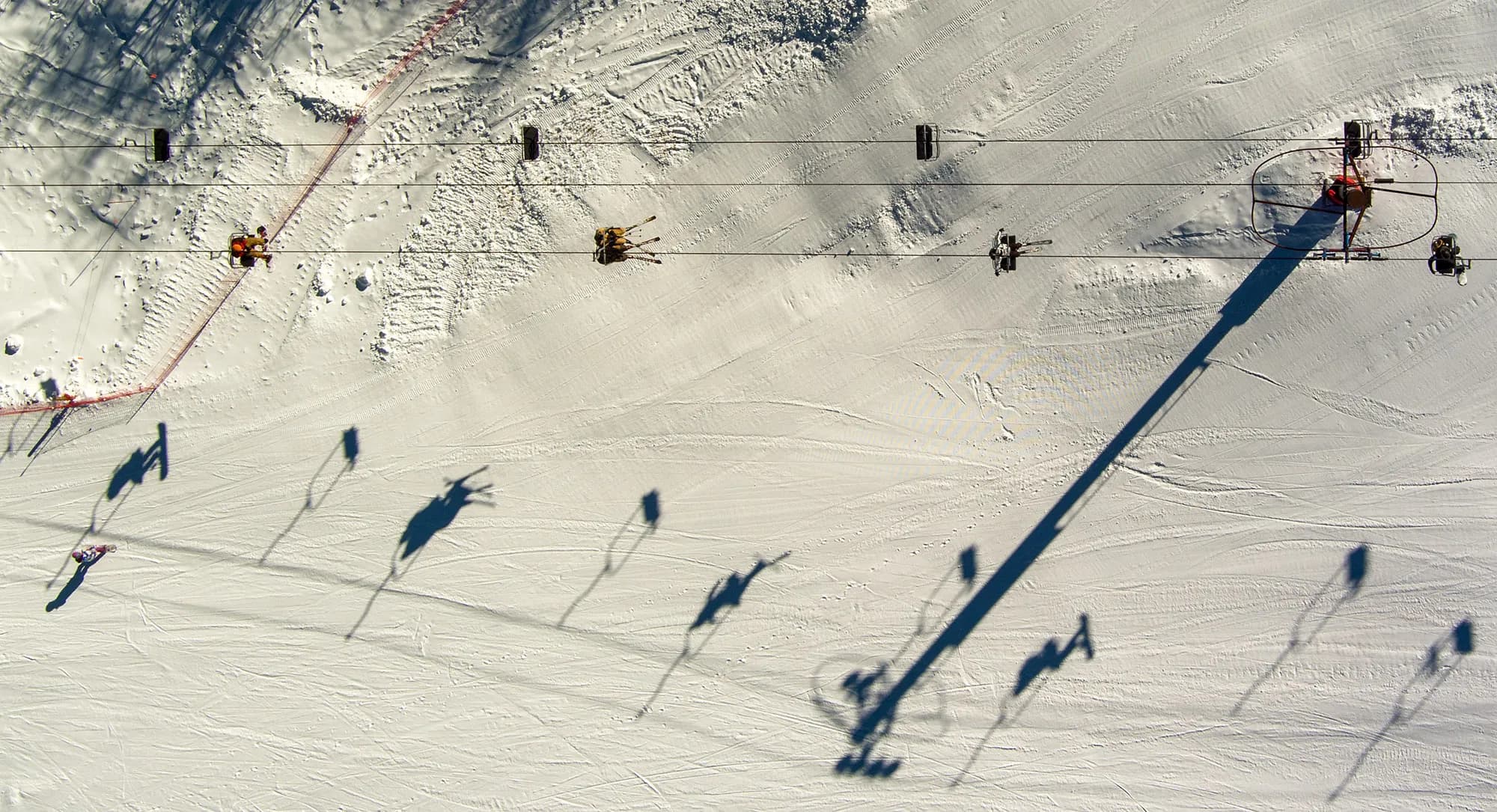
Look at Cuchara Mountain Park in Huerfano County. It’s a county-owned ski area. It’s nonprofit. It received $250,000 from this specific grant pool. In January, it spun a chairlift for the first time in 25 years. That’s lift operations after over two decades of silence. That’s infrastructure that doesn’t just sit on paper. It moves skiers.
Then there’s Ouray Ice Park. Peter O’Neil, the park’s six-year director who recently retired, used one of the first grants to expand the park. The money secured water rights. Not just for this season. For the next generation of climbers. The office pledged $200,000 to the project.
The short version? The money worked.
The office is tiny. Four people. They managed millions in federal dollars and delivered tangible results. They didn’t just hand out cash. They funded career pipelines. They funded infrastructure that had been dormant for decades. They funded water rights in a drought-prone state.
Ehrlich noted the power of seeing students graduate and take over roles in the industry. That’s not a statistic. That’s a workforce. That’s local economic development.
The grants were allocated over four years. The reporting is done. The projects are built or operating. The jobs are filled.
What’s missing? A breakdown of how many of those 927 jobs are still here. The report says the grants created them. It doesn’t say they persist. But for a program designed to launch careers, that’s a detail worth watching.
The money came from Washington. It stayed in Colorado. It built ski lifts in Huerfano County. It expanded ice parks in Ouray. It put kids in suits at Vail Resorts.
The office did its job. The question is whether the momentum holds once the federal money stops flowing.
Keep up with Colorado
The day's Western Slope news, one email each morning. Free.

Federal Report Sets 200,000 Acre-Foot Water Conservation Target for Upper Basin
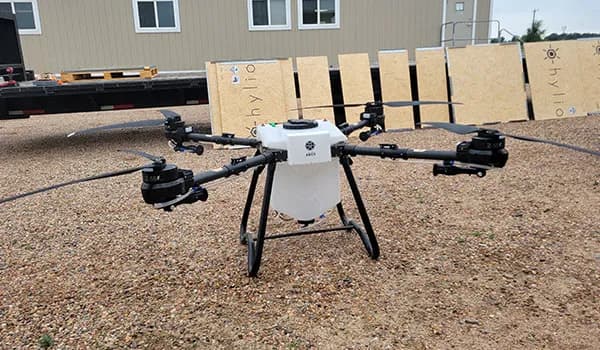
Colorado Parks and Wildlife Deploys Precision Drones for Weed Control