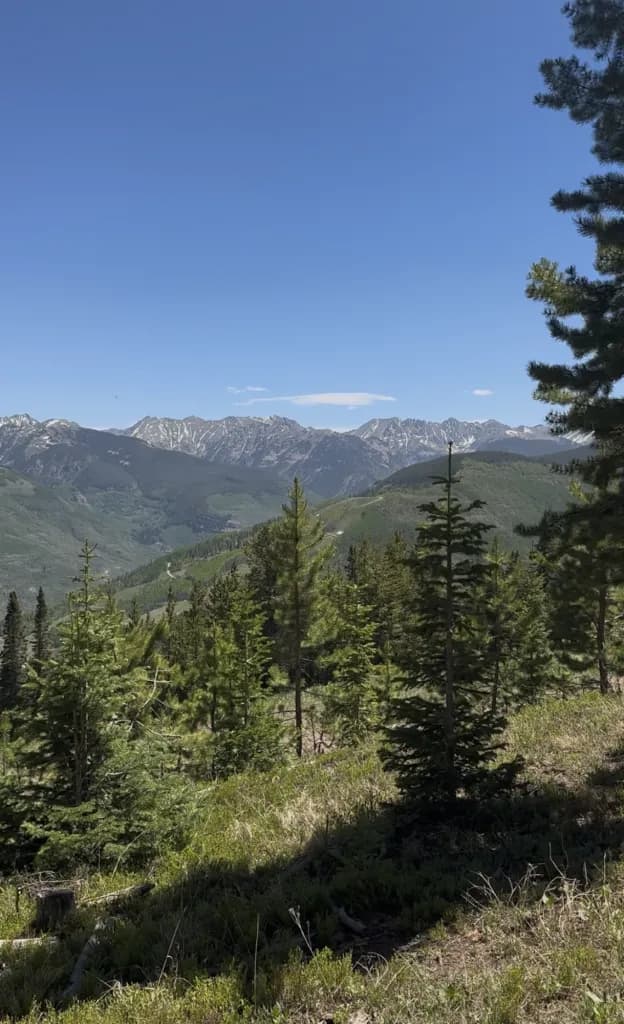
Colorado Peaks See First Snow Caps as Monsoon Rain Arrives
Late-season monsoon moisture brought rain and cooling temperatures to Colorado, triggering the first snow caps on high peaks above 13,000 feet.
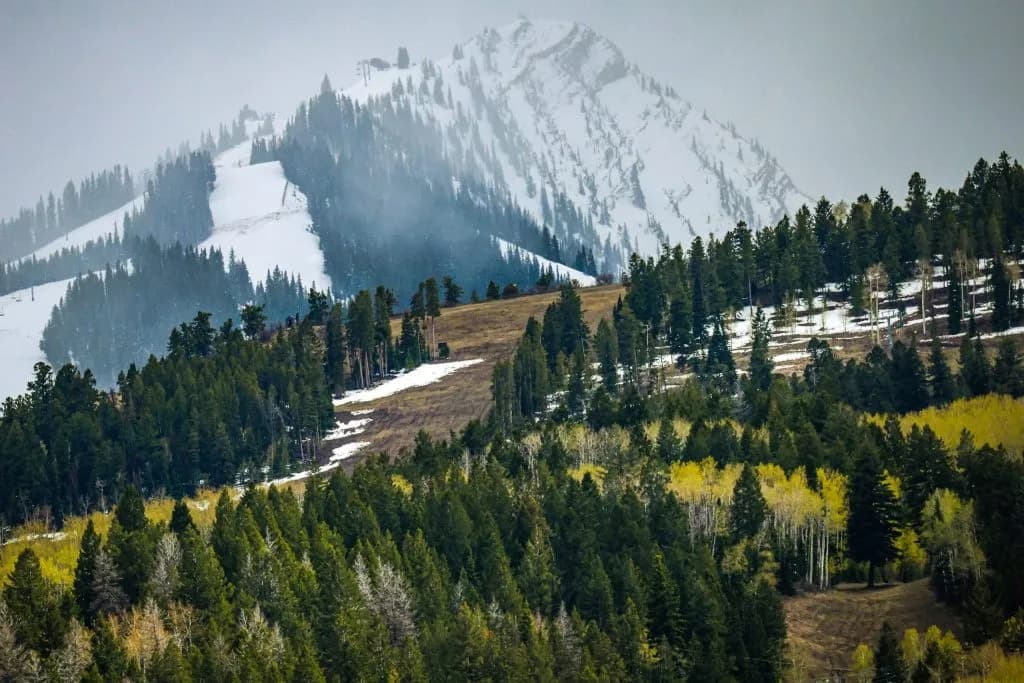
Aspen —Have you noticed how the air suddenly tastes different? It’s no longer that dry, dusty heat that has baked the valley floor for weeks. Instead, there is a dampness to it, a heaviness that settles on your skin before the clouds even fully roll in over the ridgeline.
This shift marks the end of summer’s grip and the arrival of late-season monsoon moisture from the south. According to the Vail Daily, Colorado is beginning to see its first snow caps on the state’s highest peaks, while frequent rain and occasional lightning storms sweep through the mountain communities. The transition is driven by a small low-pressure zone high in the atmosphere and an increasing layer of clouds, which are pushing temperatures below normal levels across the region.
Lucas Boyer, a meteorologist with the National Weather Service in Grand Junction, explained the rapid change in conditions. He noted that for the past few days, temperatures had been running four to five degrees above normal. But as the rain arrives, those highs will drop to near average or slightly below. In areas where the rain is steady, Boyer said, temperatures could dip about ten degrees below what we’ve been experiencing. This cooling effect is critical for snow formation at high elevations.
While significant autumn cold fronts from the Pacific Northwest haven’t arrived yet, the current air mass is cool enough to produce snow on peaks exceeding 13,000 feet. Alan Smith, a meteorologist at OpenSnow, highlighted this in a Wednesday report. He pointed out that since the summit of Breckenridge sits around 13,000 feet, snow is likely to fall above the tops of Colorado’s ski resorts during the coming week. For anyone planning to hike one of the state’s 14,000-footers, this new precipitation pattern is a variable that cannot be ignored.
Boyer added that as colder air moves in, snow could begin forming at elevations as low as 12,000 feet by Friday. He described the current system as warm and wet, originating from the south, which doesn’t typically generate snow until a deep cold front from the northwest brings a sharper temperature drop. Until then, the landscape will remain a mix of gray skies, intermittent rain, and white tips on the highest summits.
There is a certain tension in this weather pattern. The rain brings relief to the parched soil, yet it also stirs up memories of recent fires. As Boyer mentioned, the combination of wet ground and burned areas increases the risk of flash floods in the mountains. It is a reminder that the Western Slope’s seasons are not gentle transitions; they are active negotiations between heat, moisture, and altitude.
By the weekend, the forecast suggests a break in the clouds. Highs will climb from the 50s and 60s into the 60s and 70s, depending on your location. The sun will return, drying out the trails and warming the pavement. But for now, in the middle of this transition, the sky is a pale, washed-out blue, streaked with thin, wispy clouds that catch the light in a way that makes the mountains look both closer and farther away than they should.
If you look closely at the horizon, you can see the faintest hint of white clinging to the highest ridges, a subtle signal that winter is not just approaching, but is already knocking on the door. The air is crisp, the light is soft, and the silence of the valley is broken only by the distant rumble of thunder and the whisper of wind through the aspens. It is a moment of pause, a breath between the hot, dry summer and the cold, wet autumn that follows.
Keep up with Aspen
The day's Western Slope news, one email each morning. Free.

Aspen One Reveals 50 Percent Home Vacancy Rate Fuels Traffic

The rain taps against the windows of the Wheeler Opera House, a steady rhythm that usually signals quiet