Colorado Resorts Cut Lift Wait Times With New Quad Upgrades
Major Colorado ski resorts are installing new high-speed lifts and remote avalanche systems to cut wait times by up to 13 minutes and expand accessible terrain.
Aspen —On a crisp Tuesday morning in Glenwood Springs, the air is thin and sharp against your cheeks. The Roaring Fork River cuts a pale blue line through the canyon floor, and the only sound is the distant hum of traffic on I-70 heading toward the mountains. It’s a quiet kind of busy, the specific tension that builds before a major infrastructure shift hits a valley.
That shift is happening up in the mountains, and it’s not just about adding another chairlift. It’s a multi-million-dollar overhaul of how Colorado’s biggest resorts move people and manage snow, with direct implications for anyone who skis, rides, or just watches the lift queues from the lodge.
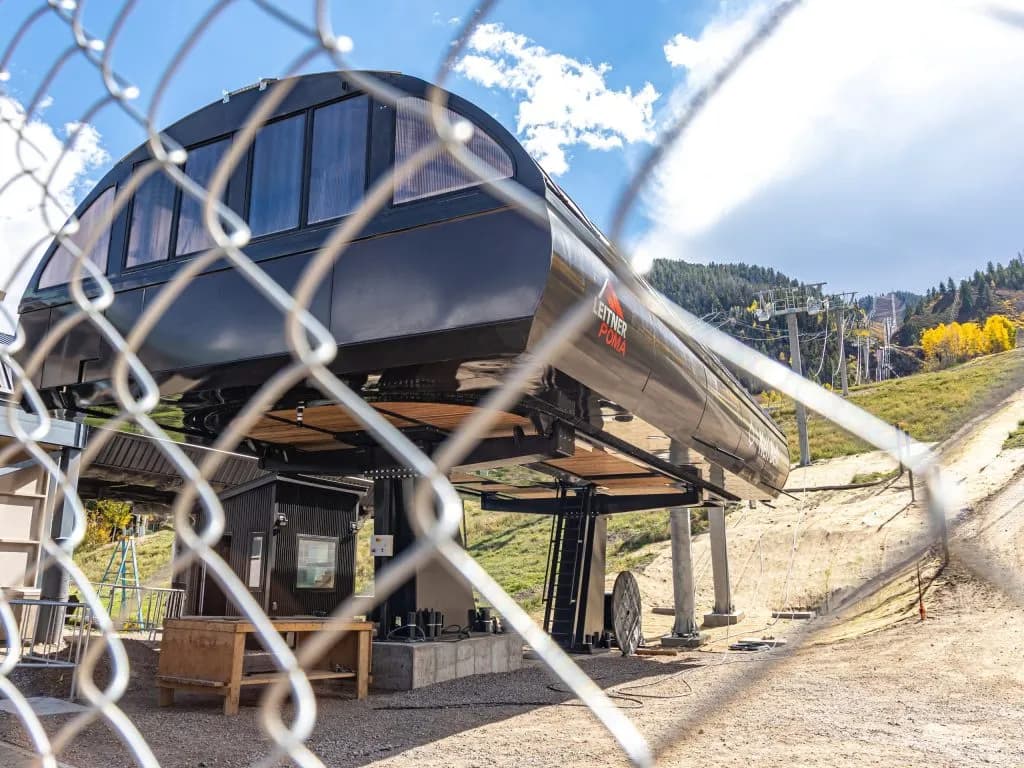
For context, this isn’t a minor maintenance cycle. Aspen Skiing Company is replacing two aging lift systems with one new high-speed detachable quad called the Nell Bell. The math is stark: the cumulative time to reach the top of Bell Mountain drops from 21 minutes on the old Little Nell and Bell Mountain chairs to eight minutes on the new lift. That’s a 13-minute reduction in wait and ride time for a single ascent. The new lift spans about 2,650 vertical feet and starts at Gondola Plaza. If you’ve ever stood in a 40-minute line for a slow double chair, eight minutes is the difference between getting a full day of skiing and losing an hour to standing still.
Purgatory Ski Resort is making a similar move, but with a different goal: accessibility. The new Colorado Couloir chairlift runs from the Gelande parking area directly to the top of the front side. According to a blog post from the resort, this opens up roughly 40 acres of terrain that previously required a hike. That includes five new trails, some described as the “steepest, most demanding expert terrain” at the resort. For locals who used to hike in for a quick run, this changes the economics of a trip. You’re no longer trading physical effort for access; you’re paying for it, but getting a faster turnaround.
Powderhorn Resort is doing the same thing with its West End double chairlift, a 1972 relic. The replacement is the Wild West Express, a high-speed detachable quad that cuts the ride time from more than 13 minutes to about six. That’s a massive efficiency gain for a small mountain where every minute of lift time matters to the overall experience.
But the most interesting upgrades aren’t visible from the ground. Breckenridge Ski Resort is installing a new remote Wyssen Avalanche Control system on Peak 7. This technology, previously used by the Colorado Department of Transportation but not by ski resorts in the state, allows snow safety teams to perform avalanche mitigation remotely instead of hiking into above-treeline terrain. Vail Resorts spokesperson Max Winter said in a statement that the new technology “gets skiers and riders to that signature high Alpine terrain that they love more quickly and efficiently.” In practice, this means less time waiting for safety crews to clear a zone before you can ski it. It’s a subtle but significant shift in how avalanche risk is managed on the mountain, moving from manual labor to remote control.
Steamboat Resort is taking a different approach to efficiency by reshaping Maverick’s Halfpipe using excavated dirt from another construction project. According to a news release, this is expected to reduce the amount of snow needed to build the pipe by more than half and allow it to open earlier in the season. That’s a smart use of existing resources, turning construction waste into functional terrain.
Winter Park Resort is continuing a multi-year project to rebuild its snowmaking apparatus with more automated and mobile equipment. The upgrades are expanding this year, though the specific details of the new hardware aren’t fully detailed in the announcement. What is clear is that these resorts are investing heavily in automation and efficiency, not just new lifts.
The bottom line for locals is this: these upgrades are designed to reduce wait times, expand accessible terrain, and improve safety operations. But they also come with costs that will ultimately be passed on through lift tickets, parking fees, and property taxes in the surrounding communities. The mountains are getting faster, more accessible, and more automated. Whether that’s a good thing depends on how much you’re willing to pay for the privilege of skipping the line.
Keep up with Aspen
The day's Western Slope news, one email each morning. Free.