Colorado Rideshare Safety Law Takes Effect Wednesday
Colorado's new rideshare safety law takes effect Wednesday, requiring Uber and Lyft to investigate driver complaints within seven days or face penalties for failures in accountability.
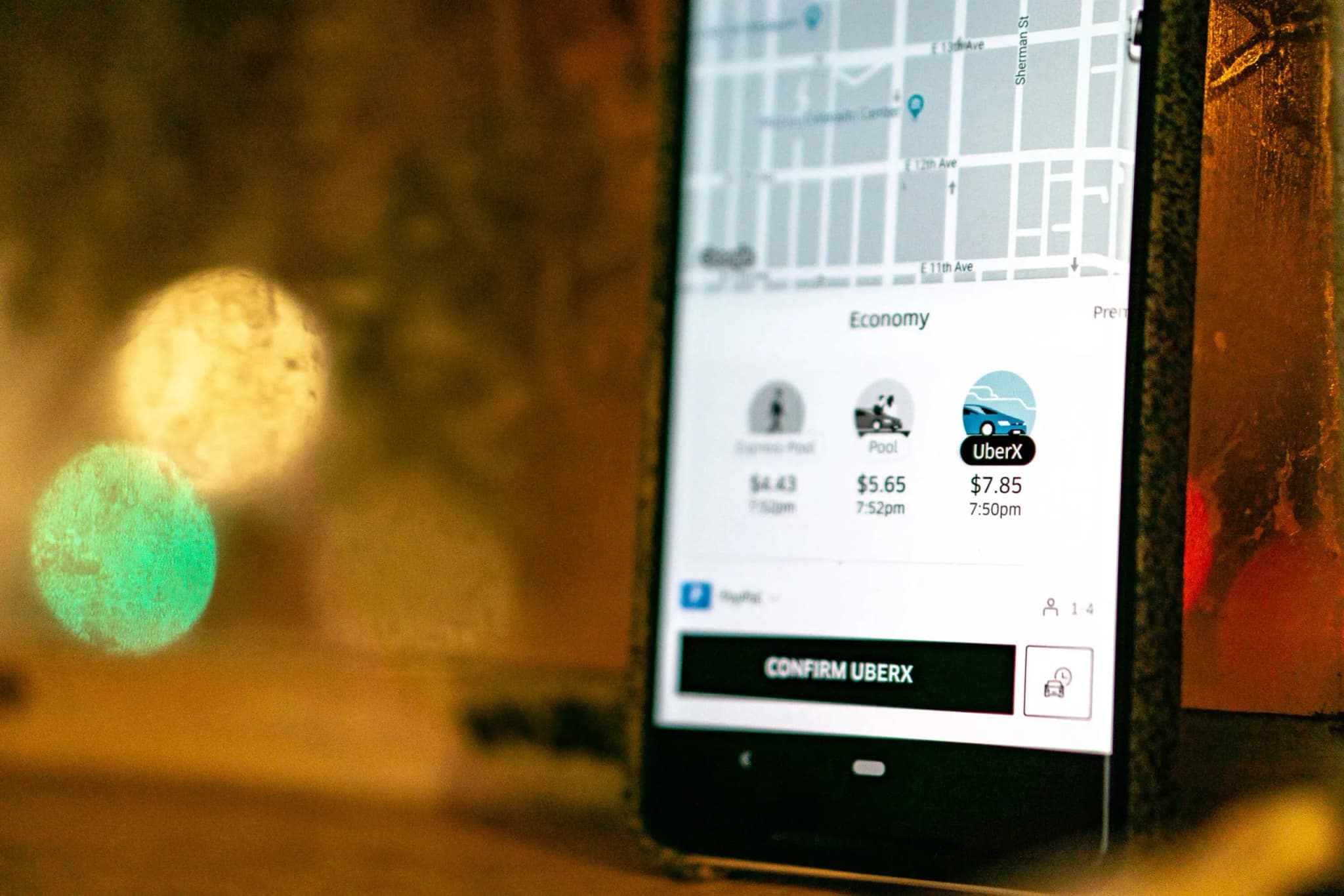
The chill hits you first on the I-70 frontage road near Glenwood Springs, or maybe it’s just the damp chill of a Western Slope autumn settling into your bones as you wait for the little blue car icon to pulse on your phone. You’re bundled up, checking your watch, wondering if the driver who answered the door at your destination actually matches the face on the app. For years, that was the gamble. Now, state law says the company has to do the homework.
A new law signed by Gov. Jared Polis in June takes effect Wednesday, forcing Uber and Lyft to investigate driver complaints within seven business days or face penalties. This isn’t just bureaucratic window dressing. It’s a hard deadline for accountability, and it’s the result of House Bill 1424, the Colorado Rideshare Safety and Accountability Act.
Let’s be clear about what this changes. Before this week, if you reported harassment or assault, you were waiting on an algorithm or a backlog. Now, a person has to review the complaint. The law specifically targets drivers who use imposter accounts — someone else’s login, someone else’s vehicle, but still showing up on your app. That was the exact trap that ensnared Democratic state Rep. Jenny Willford.
Willford was the driving force behind this legislation, and her personal experience makes the statute real. In February 2024, she took a Lyft after a night out. The driver got into the back seat and sexually assaulted her. The catch? The driver wasn’t the person listed on the Lyft app. It was a different individual accessing the account through Shanu Transportation LLC. Willford sued both Lyft and the transportation company.
“I decided that I had to say something because there were probably other people that were experiencing what I did,” Willford said. “Having a position of being a state lawmaker means that when I speak up, when I bring something up on the floor, people have to listen.”
She didn’t just want a fix for herself. She wanted to force the industry to look at its own blind spots. “I shouldn’t have to use my position. I shouldn’t have to share my pain to force change. But it’s part of the reason that I am,” she said.
The numbers backing this up are staggering. A New York Times investigation found that between 2017 and 2022, Uber received a report of sexual assault or misconduct from more than 400,000 trips. That number is likely an undercount, given that the vast majority of sexual assault cases go unreported. Uber has been the target of thousands of lawsuits alleging it failed to implement appropriate safety precautions.
Lyft, meanwhile, doesn’t even specify a timeframe for follow-up actions after complaints. Uber has zero tolerance policies on paper, but on the ground, the delays were evident. The new law strips away the ambiguity. Drivers who commit serious offenses must be removed quickly. The goal, according to bill sponsor Rep. Meg Froelich, is to ensure “drivers who have serious offenses are quickly removed from the app to keep Coloradans safe.”
Rep. Jenny Willford argues the bill strikes a balance. “I think it strikes a really nice balance between honoring people’s privacy but also increasing safety, transparency and accountability,” she said.
There is one piece of the puzzle that didn’t make the cut. Willford wanted to include a provision regarding t — likely related to trip recording or specific data retention, but couldn’t get the support. It’s a minor omission in a major shift.
For locals, the impact is logistical and financial. You don’t pay a surcharge for the "seven-day rule" directly, but you get a service that is less likely to be a roll of the dice. The companies have to hire people to review the complaints. They have to track the imposter accounts. If they fail, they pay penalties.
The bottom line is that the burden of proof has shifted. It’s no longer up to you to prove the driver was a fraud; it’s up to the company to prove they investigated properly. In a valley where you might take a Lyft from the airport to Basalt or a quick ride to the hospital in Glenwood, that seven-day window is the only thing standing between you and a driver who shouldn’t be there.
Keep up with the Western Slope
The day's Western Slope news, one email each morning. Free.