Wholesalers Sue Colorado Over New Recycling Fees
National Association of Wholesaler-Distributors sues Colorado to halt its new recycling fee program, arguing the law violates First Amendment rights by forcing payments and hiding costs from consumers.
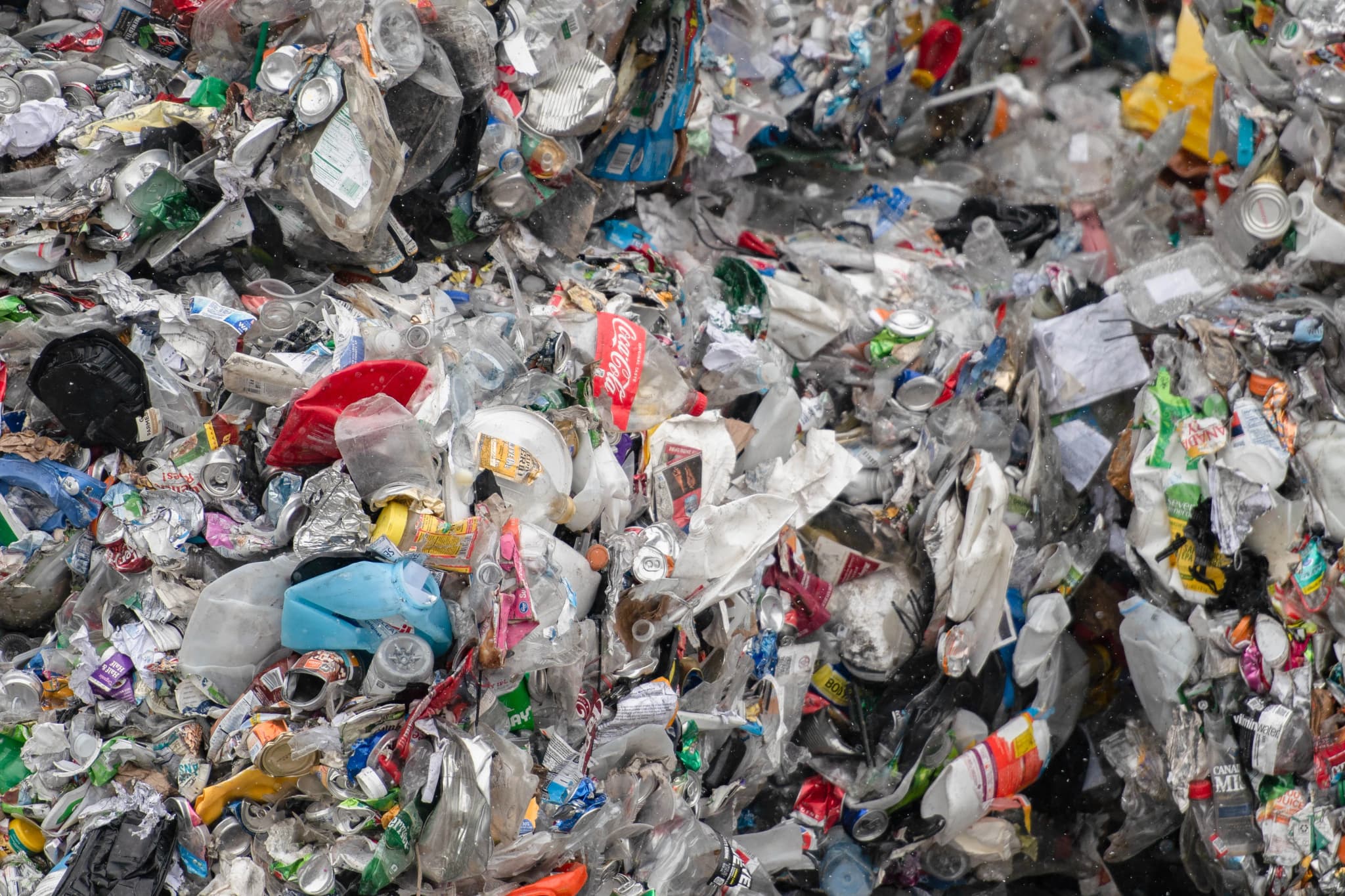
The bales of crushed cardboard and flattened plastic sit heavy and tight at the Boulder County Recycling Center, marking a steady increase in the volume of material moving through the state’s waste stream. It is a quiet industry, mostly hidden from view until the trucks arrive, but the financial architecture supporting it is loud and increasingly litigious.
Colorado is trying to modernize how it handles its trash by making packaging companies pay for the cleanup. The state’s new Producer Responsibility Program charges consumer packaging companies a fee to fund recycling grants. The goal is simple: boost services and keep more material out of landfills.
But the companies footing the bill aren’t happy with the arrangement.
The National Association of Wholesaler-Distributors is suing the state to stop the program’s launch, arguing the law violates their First Amendment rights. They claim the government is forcing them to pay into a system where they have no voice, while simultaneously hiding the true cost from consumers.
“Colorado’s new law violates the Constitution many times over: by outsourcing lawmaking power to a private group controlled by industry insiders, and by hiding the program’s true cost from the public,” Andrew Morris, senior litigation counsel for the New Civil Liberties Alliance, said in a statement announcing the lawsuit.
The New Civil Liberties Alliance is handling the case for free, framing it as a fight against administrative overreach. The lawsuit, filed July 30, argues that the government has effectively given legislative powers to a private party — the Circular Action Alliance.
This alliance is a nonprofit coalition of major packaging users, including giants like Coca-Cola and Amazon. They set the per-package fees that fund the recycling grants. The wholesalers’ lawsuit contends that the law forces its members to become dues-paying members of this alliance while stripping them of the right to legally challenge the system’s rules.
There’s also a transparency issue at play. The government is barring companies from listing these new fees on their bills. The wholesalers argue this tramples their First Amendment rights to explain the fees to consumers. If you buy a box of cereal, you won’t see a line item saying, “$0.05 goes to Colorado recycling infrastructure.” You just see the price of the cereal.
The Circular Action Alliance isn’t backing down. A spokesperson noted that the program operates under strict government oversight.
“We are aware of recent lawsuits challenging Colorado’s law and are closely monitoring developments,” the alliance said in a statement. “CAA is not a party to the litigation, and, at this time, our role remains unchanged. CAA continues to implement Colorado’s program consistent with state law and regulatory oversight, and to deliver the investments that strengthen and modernize recycling for all Coloradans.”
The alliance insists its methodology is open book. “Our methodology, principles and dues schedules are publicly available, discussed in public forums and reflected in our approved program plan,” the statement added.
This isn’t the first time the program has faced legal headwinds. Earlier this spring, the Independent Lubricant Manufacturers Association filed a similar lawsuit. That group is made up of packagers and sellers that aren’t part of the major oil companies, focusing on the lubricant side of the packaging spectrum. They argued the plan to raise fees was unfair to their specific sector.
Now, with the wholesalers’ challenge in federal court in Denver, the question is whether the government’s model of private enforcement can survive judicial scrutiny. The math holds up on paper: fees collected go directly to recycling grants. But if the courts agree that hiding the cost from consumers and forcing dues payments violates constitutional rights, the entire expansion could stall.
For now, the bales keep piling up, and the legal bills keep growing. The government is betting that the environmental benefits outweigh the legal headaches. The packaging companies are betting that the courts will force them to open the books.
“We are closely monitoring developments,” the alliance said. “Our role remains unchanged.”
Keep up with the Western Slope
The day's Western Slope news, one email each morning. Free.

Colorado Startup Week Bans Screens to Prove Human Connection Still Sells
VEB.RF Bank Fires Chief Economist Who Predicts Social Crisis