Pitkin County Approves $28 Daily Parking Rates for Aspen Airport
Pitkin County commissioners approved higher maximum daily parking rates for the Aspen Airport, raising short-term costs to $28 and long-term caps to $15 to manage capacity and boost revenue.
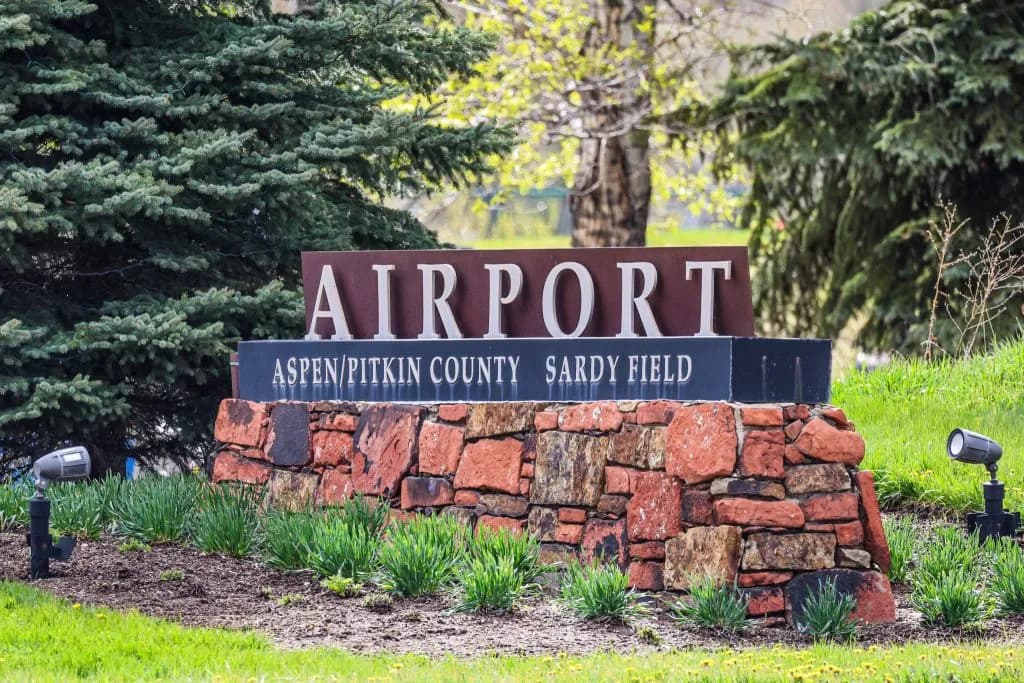
Aspen —The morning light hits the asphalt of the Bear Lot at Aspen/Pitkin County Airport with a specific, familiar intensity — that high-altitude glare that bounces off silver SUVs and windshields, turning the parking area into a shimmering field of heat. It is a place defined by urgency and waitlists, where drivers circle with the quiet desperation of people who know that in winter, a spot is not just convenience, but necessity. For years, the rhythm of this lot has remained stubbornly unchanged, anchored by maximum daily rates that have sat at $12 for short-term parking and $6 for long-term, figures frozen in time since 2010. But that stillness is about to break.
On Wednesday, the Pitkin County Board of County Commissioners voted 4-1 on first reading to approve significant increases to these public parking rates, a move that will reshape the economics of travel for locals and visitors alike. The decision follows a detailed Vehicle Parking Rate Analysis Work Session held on July 14, where staff presented two distinct pricing alternatives to the board. The commissioners selected Alternative 2, a recommendation that aligns short-term rates with upper peer benchmarks and long-term rates with downtown Aspen garage pricing.
Under the new structure, effective October 1, the maximum daily rate in the short-term Bear Lot will rise from $12 to $28, while the long-term Elk Lot will see its cap jump from $6 to $15. This is not merely an adjustment for inflation, as Alternative 1 proposed; it is a recalibration to match the market reality of Aspen. The report submitted by airport staff notes that current rates have remained significantly lower than peer-airport and local-market benchmarks, which has led to a situation where limited capacity is stretched thin by non-airport users.
There is a warmth to the argument for change, yet there are rough edges in how it affects daily life. The report highlights that employee vehicles currently occupy a substantial portion of the Elk Lot, accounting for 73% of transactions from October 2025 through June 2026. During winter over-capacity periods, employee cars averaged 141 spaces, often turning away paying travelers. From January through May of this year alone, 19,090 employee sessions represented an estimated $520,000 in potential foregone revenue. By raising the daily maximums and eliminating the tiered surge-pricing structure adopted in 2019, the airport aims to discourage this non-airport use and improve non-aeronautical revenue available for operations.
Hourly pricing will remain, increasing by the same percentage as the daily maximums, resulting in an approximate hourly rate of $6 for the Bear Lot and $3 for the Elk Lot. The first 30 minutes will remain complimentary, a small mercy for those dropping off luggage or picking up a ride. The staff report states that they do not believe surge pricing remains necessary under these new maximums, preferring a simpler rate structure that is easier for drivers to understand as they navigate the lots.
As October approaches, the question for Aspen’s neighbors is not just about the cost of a parking spot, but what that cost buys them. It buys capacity, it buys revenue for airport capital needs, and it potentially clears the Elk Lot for those who actually need to fly. The asphalt will remain hot, the lines may shorten, and the numbers on the signboards will finally reflect the value of this high-altitude landscape.
Keep up with Aspen
The day's Western Slope news, one email each morning. Free.