Colorado Ski Resorts Struggle with 50-Year Snowfall Low
Colorado's ski resorts face unprecedented challenges due to a 50-year low in snowfall, but dedicated workers help salvage the season.
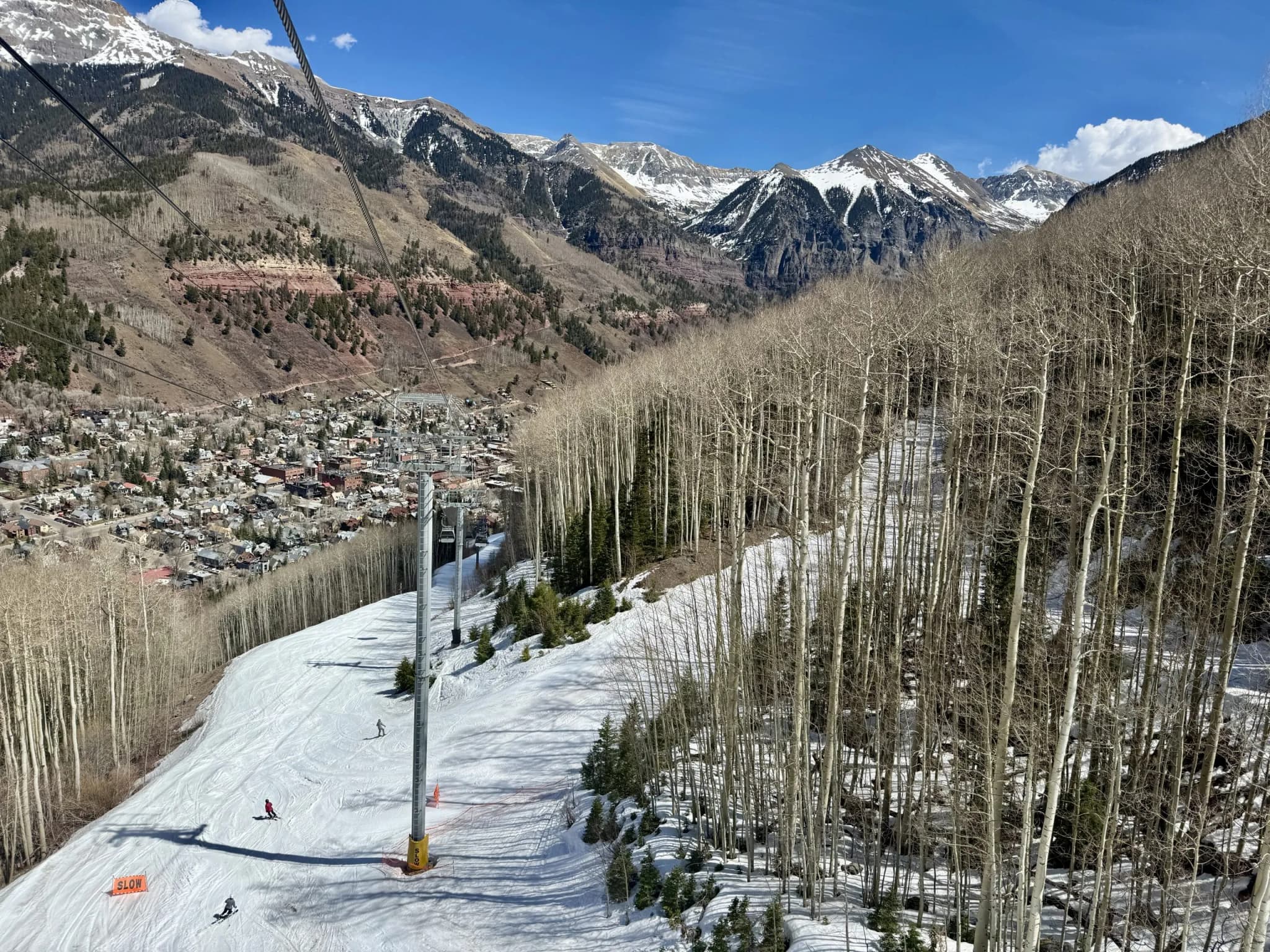
Colorado —Snow-capped peaks tower above the valley, a stark contrast to the barren slopes of Colorado's ski resorts. The crunch of gravel beneath boots is a harsh reminder of the season's struggles — a 50-year low in snowfall has left resorts limping toward the end. Telluride ski area, scheduled to close on April 5, has about half its terrain open, with a 35-inch base that's a fraction of what's typical this time of year.
The real heroes of this season are the unsung workers who toiled behind the scenes to keep the slopes skiable. Groomers and ski patrollers worked tirelessly, often in brutal conditions, to ensure that skiers and snowboarders could still enjoy the mountain. They strung miles of rope along treelines, marking hazards and keeping skiers safe. Tens of thousands of bamboo sticks were planted in the thin snowpack to warn of dangers lurking beneath the surface. And when the snow was too sparse, they bombed bowls in 50-degree temperatures to release sloppy wet slides, making the most of the little snow they had.
Copper Mountain's boss, Dustin Lyman, acknowledges the herculean effort of his ski patrol team. "Ski patrol has worked extremely hard this season to open and close trails depending on the conditions," he says. "They have put up and taken down more miles of ropes than ever." It's clear that their dedication was crucial, as the season wasn't a complete disaster, despite the dismal snowfall numbers. Vacationers still had fun, and powder seekers made the most of the limited opportunities.
As the season winds down, it's worth watching how the resorts' closure dates are affected by the record-high temperatures. The current list of projected closing dates has Arapahoe Basin aiming for June 14, but that's likely to change if the forecasted rain materializes. Winter Park ski patrol director Brendan Irving is ready to put this season behind him, but he knows the memories of 2025-26 will linger. "I'll be happy to put this season behind me, but I'll have the awful snow stat to remind me," he says.
The short version: this season was a struggle, but the people who worked tirelessly to keep the slopes open deserve our appreciation. As the resorts start to close, it's time to acknowledge the efforts of the groomers and ski patrollers who saved the season from being a complete loss. They worked magic, turning a dismal snowfall into a skiable terrain. Make no mistake, their work was crucial to the season's relative success.
In the towns surrounding the resorts, the impact of the poor snow season is still being felt. Local businesses that rely on ski tourism are struggling to make ends meet, and the lack of snow has meant a significant drop in revenue. The community is coming together to support these businesses, but the challenges posed by the low snowfall will have a lasting impact.
As the last skiers and snowboarders make their way down the mountain, it's time to reflect on what could have been. The struggles with snowfall are a reminder that the ski industry is fragile, and that the people who work behind the scenes are the real heroes. Read that again: the people who worked tirelessly to keep the slopes open are the ones who deserve our appreciation. They are the reason why the season wasn't a complete disaster, and their efforts should not be forgotten.
The ski resorts may be closing, but the effects of the low snowfall will be felt for months to come. The community will have to come together to support the local businesses that were affected. It's a challenge that will require effort and dedication, but it's one that the community is ready to face. As the season comes to a close, it's time to look to the future, and to hope that next year's snowfall will be more plentiful. But for now, it's time to acknowledge the efforts of the people who made this season possible, and to thank them for their hard work.
Keep up with Colorado
The day's Western Slope news, one email each morning. Free.
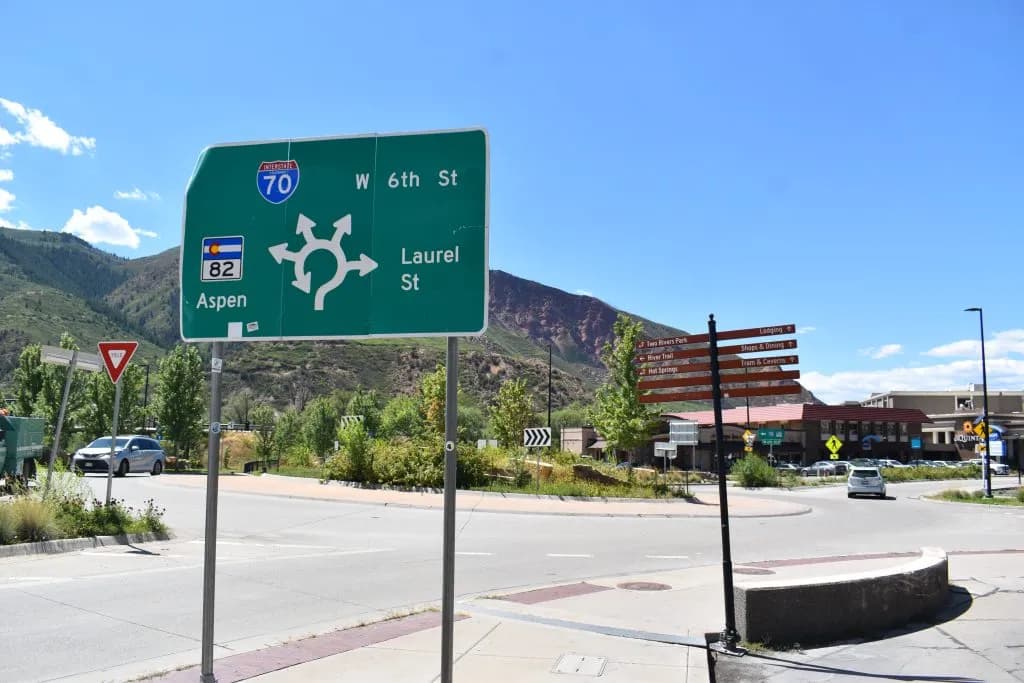
Glenwood Springs Closes I-70 Interchange for $14 Million Road Overhaul

Colorado's New Digital Warrant Law Forces Social Media Platforms to Act Fast
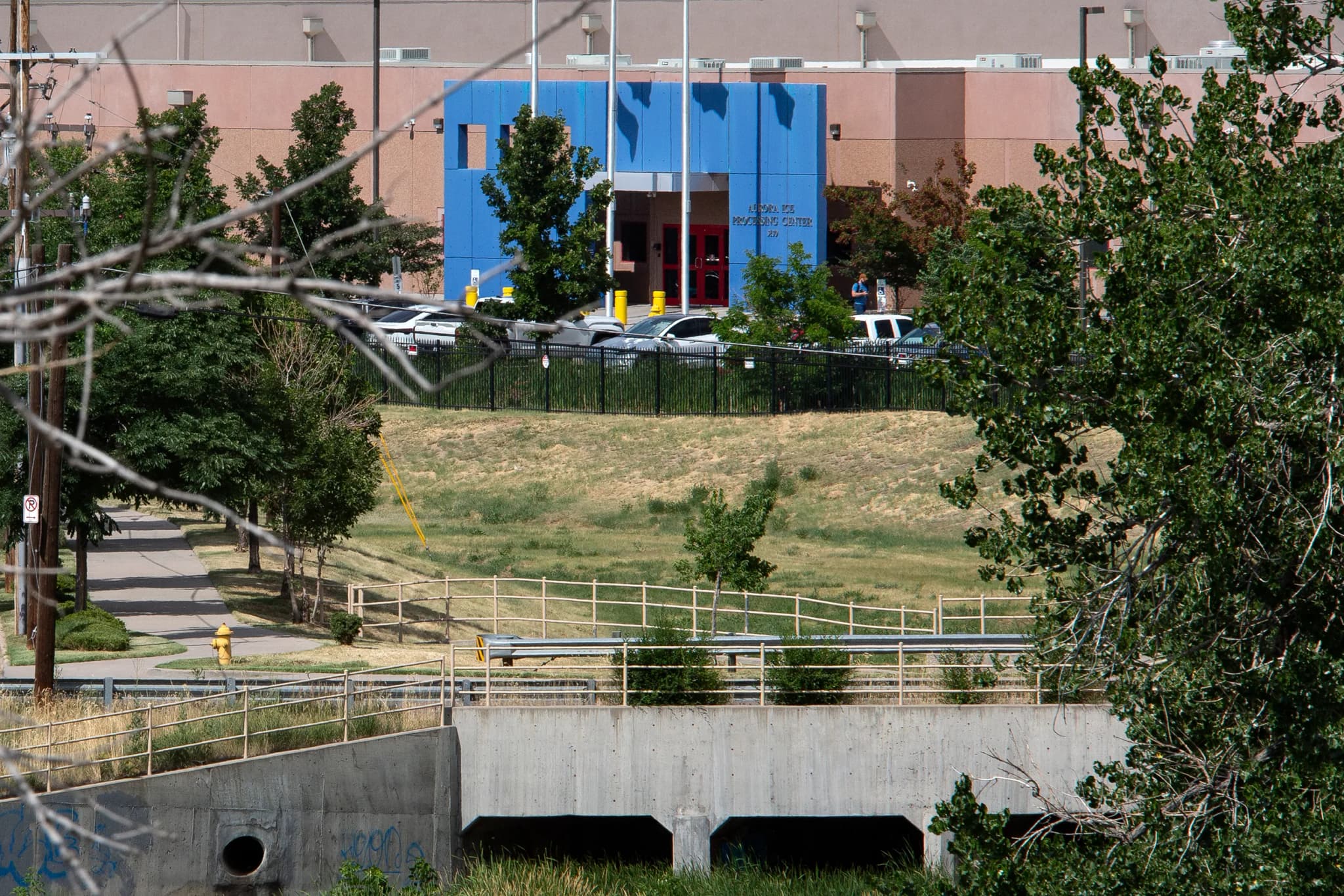
Sen. John Hickenlooper Presses Geo Group for Tuberculosis Data in Aurora
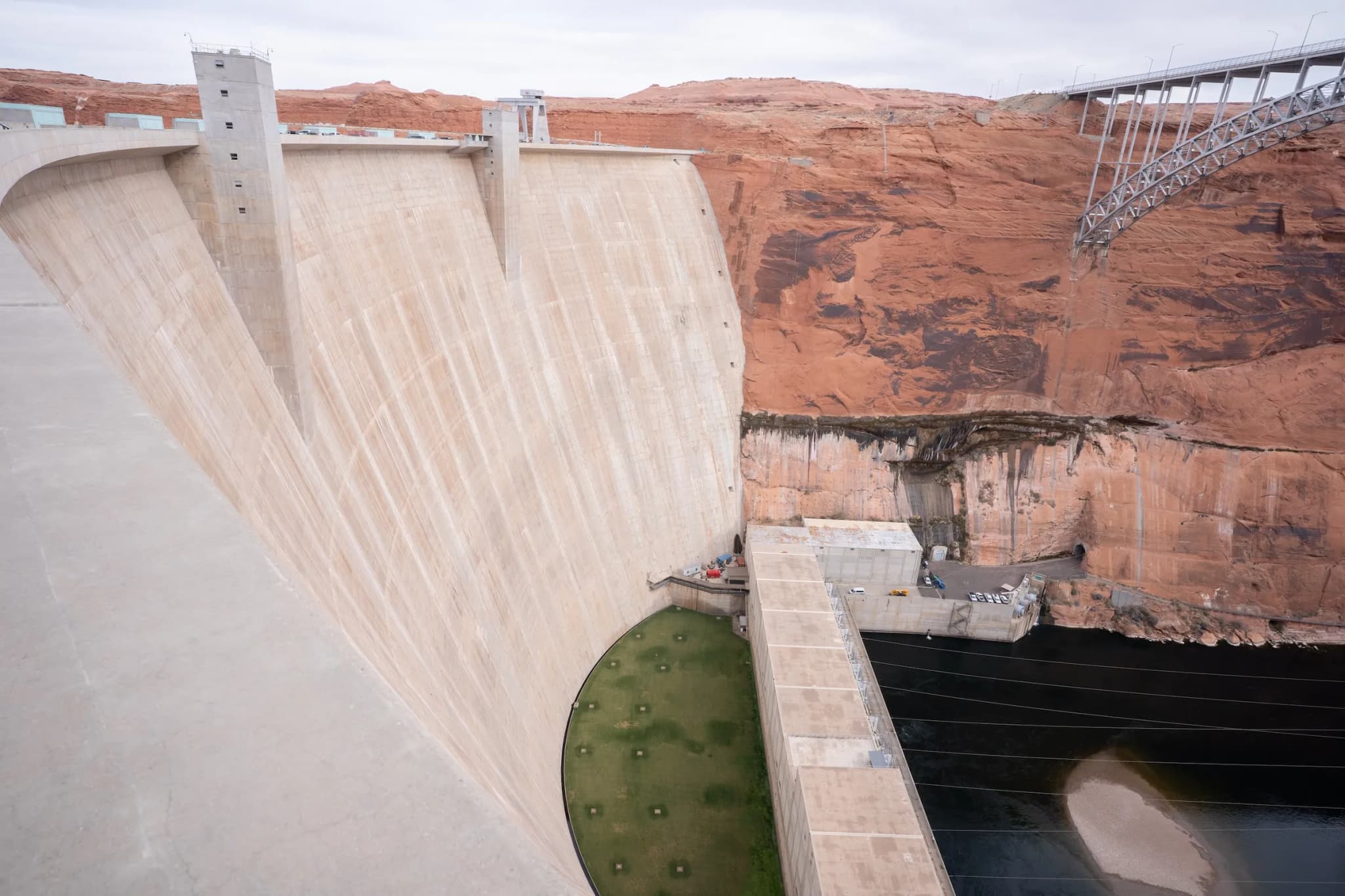
Federal Report Sets 200,000 Acre-Foot Water Conservation Target for Upper Basin

Colorado Parks and Wildlife Deploys Precision Drones for Weed Control