Colorado Wildfires Cost Taxpayers $266 Million This Season
State estimates place Colorado’s four largest wildfires at $266 million, hitting taxpayers hard as budget cuts continue. The figure covers response, suppression, and recovery for 171 active large fires across the state.
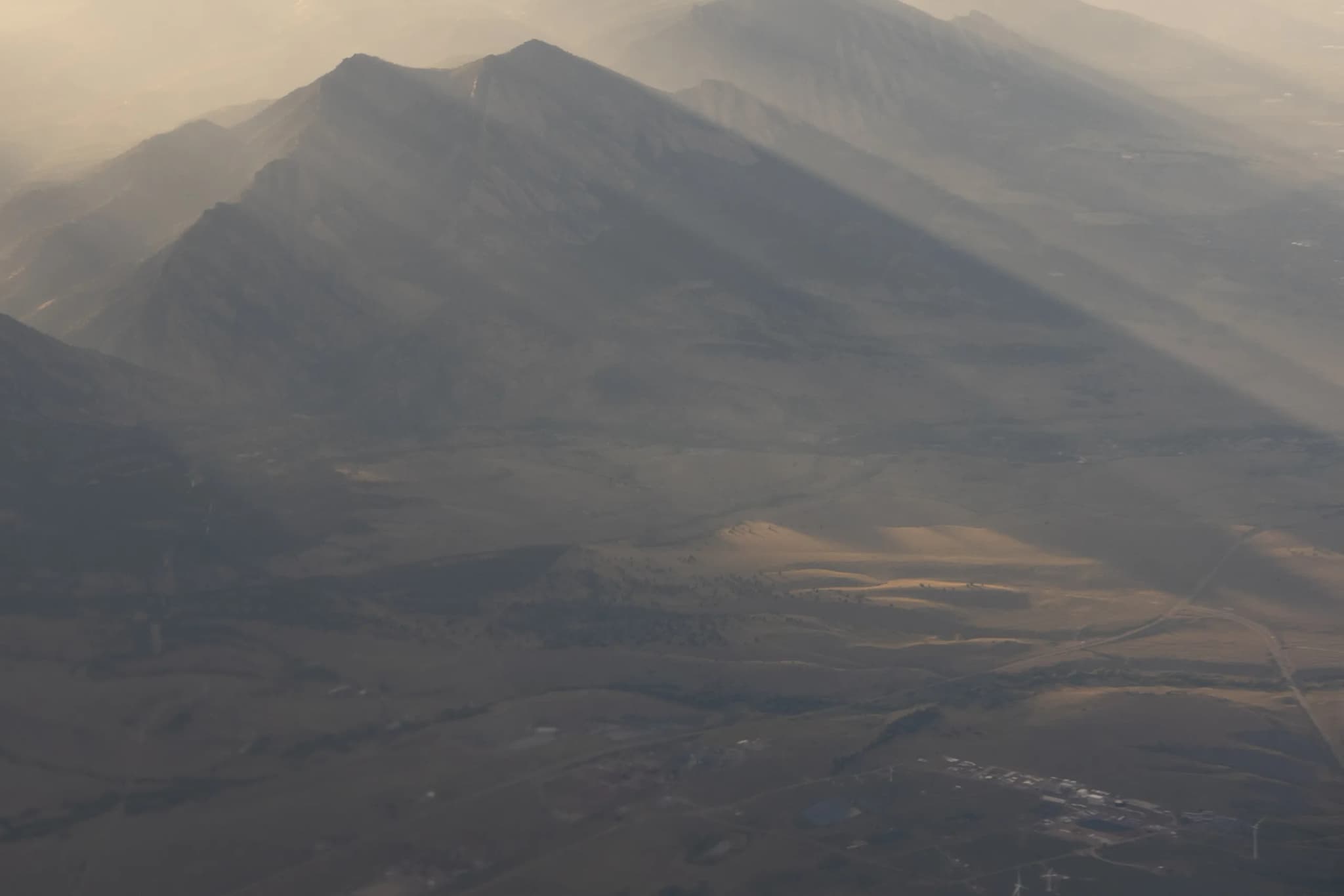
Colorado —The smoke hangs low over the Grand Valley. It smells like burnt pine and dry dust. Drivers on Highway 6 slow down, rolling up windows against the haze. The air is thick enough to taste.
This isn’t just a bad summer. It’s an expensive one.
Colorado’s four largest wildfires this season will likely cost taxpayers $266 million, according to early state estimates. That number comes from a 90-day cost projection released Thursday. The figure covers response, suppression, and recovery efforts.
Chris Sorensen with the state emergency operations center delivered the news at the Drought Task Force meeting. He called it a “notable number.” That’s an understatement. The state has cut $2.5 billion from its budget over the past 18 months. A quarter-billion-dollar hit to fire costs is significant.
The money isn’t just for hoses and trucks. It’s for lives. Four Colorado wildfire responders died fighting these blazes. Hundreds of homes are destroyed. Communities are disrupted. Sorensen noted the impacts are “widespread” and “interrelated.”
Paul Duarte, deputy chief for the Colorado Division of Fire Prevention and Control, provided the scale of the operation. There are 171 active large fires across the United States. Colorado holds 13 of them, plus five emerging ones. Thirty to forty new fires have sparked in the last week alone.
Duarte noted that many of these smaller fires don’t make the news. They get contained quickly. But they still cost money.
About 100 fire crews are currently working in the state. The hardware is massive. Roughly 350 engines are on site. Forty-five bulldozers carve lines through steep terrain. Forty-five helicopters lift water and crews. Twenty-five fixed-wing aircraft, including Super Scoopers, drop retardant from the sky. Fifteen unmanned drones watch for hot spots.
They are making progress. The terrain is steep, and the communities need protection. But Duarte remains concerned about the weather.
“We continue to be concerned about getting hotter and drier again,” Duarte said. Fire season never really ends in Colorado. Activity will increase as the months go on.
The root cause is clear. Snowpack was low this winter. Warm, dry conditions persisted through the spring. The water year, running from October to September, was the warmest on record. October through June ranked as the fourth driest on record.
Rivers are running low. The Colorado River’s flows since October are the lowest ever recorded, beating out 2002. That record-setting dryness set the stage for intersecting emergencies this summer.
Governor Jared Polis activated the Drought Task Force in March to track these conditions. The group includes departments of natural resources, agriculture, homeland security, emergency management, and local affairs. They met Thursday to gather updates from these key agencies.
State climatologist Russ Schumacher confirmed the data. The combination of heat and lack of moisture is creating a perfect fuel load for fire.
Make no mistake: this is not a temporary spike in costs. It is a structural shift in how much the state spends on keeping its forests from burning down. The $266 million figure is an early estimate. It could rise as the fires smolder into fall and winter.
Neighbors here know the smell of smoke. They see the crews on the roads. Now they have a clearer picture of what that smoke is costing them. The budget cuts are real. The fire costs are real. The question is whether the state can absorb both without raising taxes or cutting other services.
Sorensen’s warning was simple. The financial impacts cascade from drought. They don’t stay isolated in the forest. They hit town budgets, insurance rates, and property values.
Read that again. The state is bleeding money while trying to hold its budget together.
Keep up with Colorado
The day's Western Slope news, one email each morning. Free.


Federal Report Sets 200,000 Acre-Foot Water Conservation Target for Upper Basin
Colorado Parks and Wildlife Deploys Precision Drones for Weed Control