Colorado's First Paid Teacher Apprentice Lands in Gypsum Classroom
Justyne Terry becomes Colorado's first official graduate of the new paid teacher apprenticeship model, landing in a Gypsum third-grade classroom to help solve the region's critical teacher shortage.
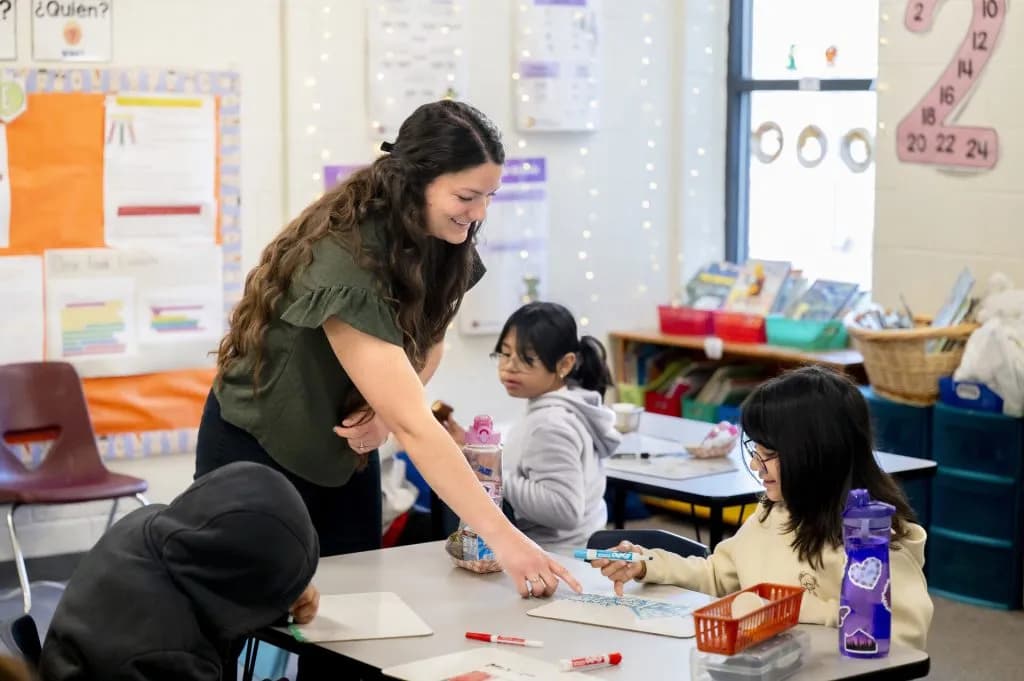
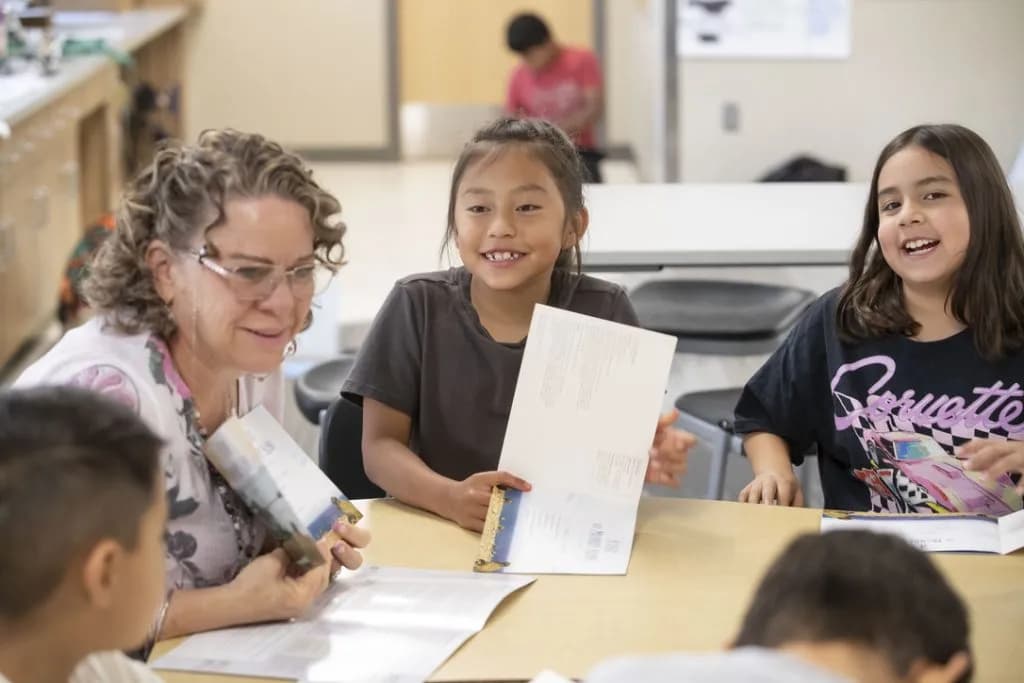
Steamboat Springs —Justyne Terry stood in a third-grade classroom in Gypsum, watching a six-year-old struggle with a math problem. She didn’t just watch. She stepped in. She guided the child’s hand, corrected the angle, and waited. It was the kind of patience you can’t fake, and it was the result of a system designed to fix a broken pipeline.
Colorado’s first official graduate of its new paid teacher apprenticeship model has landed in a classroom, solving a problem that has kept local superintendents up at night for years. Terry, 34, became the first person in the state to complete the Teacher Degree Apprenticeship Program on May 1. She didn’t just get a degree. She got a license. And she got paid while she did it.
Here’s the thing though: this isn’t just about Terry. It’s about what her graduation signals for a region desperate for educators. School districts across the Western Slope have been bleeding staff since 2020. Vacant positions lingered well into the spring, forcing administrators to shuffle existing teachers into double-duty roles or hire out-of-state candidates who needed months of remediation. The state knew the traditional four-year degree route was too slow, too expensive, and too disconnected from the reality of a crowded classroom. So, lawmakers opened the door in 2023.
The model is simple but effective. Students work toward a bachelor’s degree while completing on-the-job training for up to three years under the mentorship of an experienced teacher. They aren’t just observing. They are employed by a school district or charter school as a teacher apprentice, earning over 4,500 paid training hours. Graduates walk away with a license and a degree, ready to lead a room on day one.
Liz Qualman, director of Colorado Mountain College’s teacher education program, calls it unique because students are credentialed throughout the pathway. It’s not a trial period. It’s a career launchpad.
The college launched the program at its campuses with support from Opportunity Now Colorado, a workforce initiative funded by the Colorado General Assembly through Senate Bill 23-087. That bill was designed to expand training pathways into high-demand careers, and teaching was one of the few fields where the demand was acute enough to justify the investment.
The first cohort of roughly 50 students joined the apprenticeship program in August 2024. Some, like Terry, were already enrolled in a traditional pathway who then transferred. But the majority — 85 to 90 percent — are non-traditional students with an average age of 35. They aren’t fresh out of high school. They’re career-changers, parents, and locals looking for stability.
Terry didn’t originally plan on becoming a teacher. She was working as a paraprofessional in a kindergarten classroom when she saw the gap.
“I learned about how there was a big teacher shortage, and then I saw these little kids; they reminded me of my own kids, and I just felt like that was where I needed to be,” Terry said. “So I switched my degree to the teaching program, and never looked back.”
She transferred into the apprenticeship program and took on the role of third-grade teacher apprentice at Wamsley Elementary School. The experience gave her the hours, the mentorship, and the paycheck she needed to sustain herself while earning her degree.
Not exactly a new idea in other professions. Nurses apprentice. Electricians apprentice. Teachers never quite had the same structured, paid bridge into the classroom until now. The state’s investment here is a direct response to the crisis that has seen schools advertise vacancies for months. Terry’s graduation is a single data point, but it’s a bright one. It proves the model works. It proves that locals can stay here, earn a living, and fill the seats that have been empty for years.
The program is still young. The first cohort is just starting their journey. But Terry is already out there, in the thick of it, teaching third graders in Gypsum. And for the first time in a long time, that position isn’t just a line item on a budget sheet. It’s filled.
Keep up with Steamboat Springs
The day's Western Slope news, one email each morning. Free.