Roaring Fork School District Keeps 3Rs Sex Ed Curriculum
Roaring Fork School District officials confirm the 3Rs sex education curriculum remains in place, citing state law and abuse prevention evidence despite ongoing parental debate.
Glenwood Springs —The Roaring Fork School District’s sex education curriculum is here to stay, and officials say it’s not about politics — it’s about keeping kids safe from sexual abuse.
More than three years after the board adopted the "3Rs: Rights, Respect, Responsibility" program, the debate hasn’t cooled. It’s heated. Parents are still fighting over the intensity of the materials. Some claim the curriculum was pushed through under "political motivations."
That’s the narrative. The district’s leadership has a different one.
During a regular board meeting this week, Superintendent Anna Cole and Assistant Superintendent Stacey Park laid out the case for the 3Rs. They didn’t mince words. The program is a primary prevention strategy. It’s designed to stop abuse before it starts.
"This curriculum really focuses on safety," Cole said.
She cited empirical evidence. The program prevents sexual abuse. It addresses critical risk factors. It promotes inclusion. It fixes gaps in how students understand consent.
The legal hook is the Safe Schools Act. Under that law, the district has a responsibility to implement curricula that keep children safe. Cole called it a legal and ethical duty. As mandatory reporters, staff need tools to help survivors heal. They need trauma-informed responses.
The 3Rs program is backed by the 2026 Colorado Office of School Safety Child Sexual Abuse and Assault Prevention Resource Guide. It’s an 83-page document. It covers laws, definitions, and guidelines for building this type of program. The guide rates the 3Rs as "evidence-based" and "effective."
The district didn’t just dump the whole program on students. The board selected specific mandatory lessons. They picked the ones highlighted for their focus on safety. It’s a curated approach, not a blanket mandate.
This isn’t unique to the Roaring Fork Valley. The 3Rs program is used across Colorado. Canyon City. Steamboat Springs. Denver. Aurora. Adams 14. Fremont. Ridgeway. Silverton. St Vrain. Durango 9-R. Westminster. Harrison.
The list is long. It spans the state.
Interest in the program spiked during the 2025-26 school year. A group of concerned parents spoke up during board meetings. They voiced their opinions. They questioned the materials. They demanded answers.
The district responded with data. They reported on voluntary withdrawal rates. They tracked parent communication. They logged community feedback.
The short version: The district believes the 3Rs are essential. They believe the evidence supports it. They believe the law requires it.
Parents who oppose it believe the materials are too intense. They believe the rollout was rushed. They believe the "political" label sticks.
The district isn't changing the core curriculum. They’re just updating the board on how it’s working.
The question isn’t whether the program exists. It’s whether the community will accept it. The board listens. The parents speak. The curriculum stays.
Read that again. The materials are still in the classrooms. The debate is still in the meeting rooms. The only thing changing is the frequency of the updates.
Worth watching is how the voluntary withdrawal numbers trend next year. If parents are pulling kids out, the district knows. If they’re staying, the district knows. The data doesn’t lie.
The 3Rs program is here. It’s backed by state guides. It’s used by neighbors in Steamboat and Denver. It’s mandated by state law.
The fight is over the details, not the destination.
Keep up with Glenwood Springs
The day's Western Slope news, one email each morning. Free.


Glenwood Clinic Parking Lots Fill for Unproven Peptide Injections
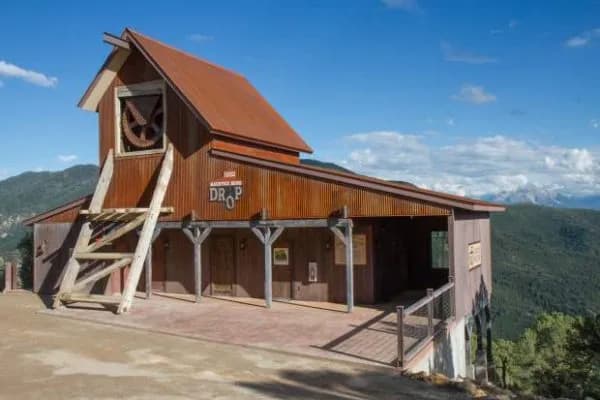
On the ridge above Glenwood Springs, the wind usually whips off the peaks before it reaches the parking lots