Colorado Rejects Bill Protecting Beavers
The defeat of House Bill 1323 will cost Colorado's wildfire resilience, as beavers play a crucial role in maintaining the state's ecosystem and preventing wildfires.
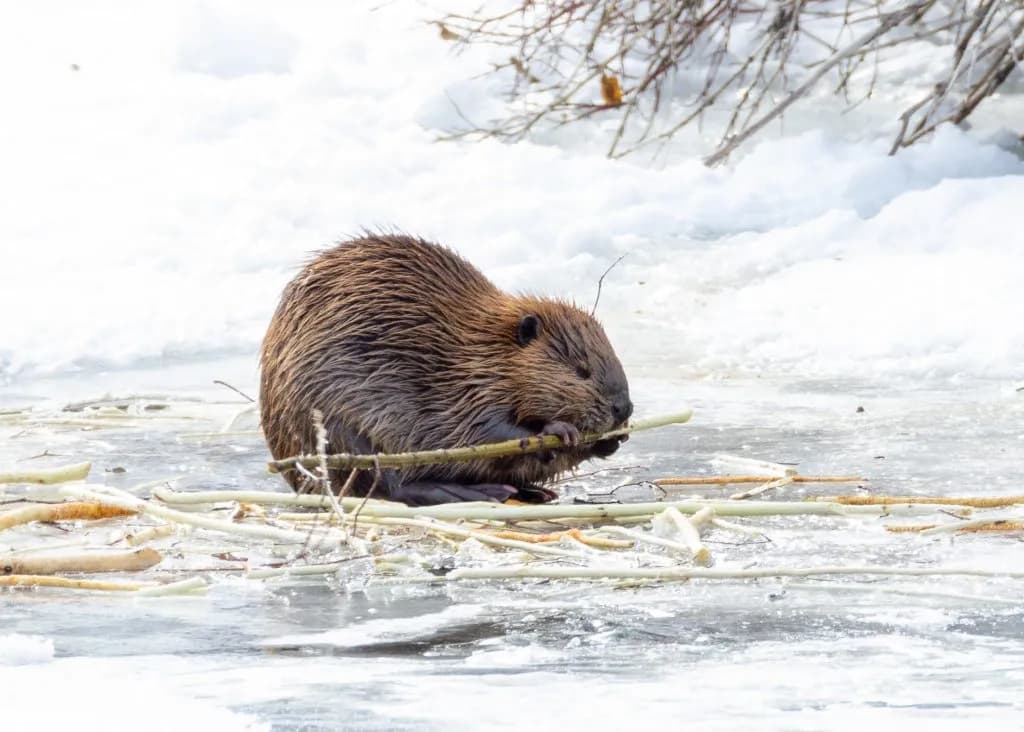
Steamboat Springs —Make no mistake — the defeat of House Bill 1323 will cost Colorado's wildfire resilience. The bill, which would have banned recreational beaver hunting on public lands, was killed in committee on Monday, March 23, after a four-hour debate. This decision will have a direct impact on the Western Slope, where wildfires are a persistent threat.
The bill's sponsors, including Reps. Mandy Lindsay and Elizabeth Velasco, argued that beavers are a crucial part of the state's ecosystem, providing natural fire breaks and maintaining wetlands. Velasco stated, "Beavers and their structures are a nature-based solution that slows fire spread, maintains wet green corridors and creates natural fire breaks and refuge for other wildlife in the event of a fire." However, this argument fell on deaf ears, as the committee voted 10-3 to indefinitely postpone the bill.
The opposition, led by hunting and trapping groups, claimed that the bill was unnecessary and would interfere with the management of beavers by Colorado Parks and Wildlife. Dan Gates, of Coloradans for Responsible Wildlife Management, said, "The house committee not only made the right decision, they made the decision based upon the facts." However, it's worth noting that the "facts" presented by the opposition were largely based on the idea that the bill was a veiled attempt to end hunting altogether — a claim that the bill's sponsors vehemently denied.
The failure to pass this legislation is a significant blow to Colorado's wildfire resilience. Beavers play a crucial role in maintaining the state's ecosystem, and their removal can have devastating consequences. As Samantha Miller, senior carnivore campaigner at the Center for Biological Diversity, pointed out, "It's just reckless to allow hobby trappers to keep killing beavers for fun on our public lands when we know these animals are essential for restoring wetlands, supporting drought resilience and reducing damage from wildfires."
The state is home to between 43,000 to 64,000 dam-building beavers, according to Colorado Parks and Wildlife. These animals are a vital part of the ecosystem, and their removal can have far-reaching consequences. Colorado Parks and Wildlife recently published its Beaver Conservation and Management Strategy, which outlines the agency's approach to managing beaver populations.
In the end, the committee's decision to kill the bill is a shortsighted one. By prioritizing the interests of hunters and trappers over the needs of the ecosystem, the state is putting its wildfire resilience at risk. As the Western Slope continues to face the threat of devastating wildfires, it's clear that this decision will have serious consequences. The short version: Colorado's wildfire resilience just took a hit, and it's going to cost us. Read that again, the failure to protect beavers will have significant consequences for the state's ability to mitigate the risk of wildfires.
The Impact on Local Communities
The outcome of the committee vote will have a direct impact on local communities, particularly those in the Western Slope. The removal of beavers from the ecosystem can lead to devastating consequences, including increased risk of wildfires and decreased water quality. As the state continues to face the threat of drought and climate change, it's clear that the decision to reject the bill is a reckless one.
In Delta County, where wildfires are a persistent threat, the bill's rejection is a significant concern. The county spends millions of dollars each year on wildfire mitigation and prevention, but the removal of beavers from the ecosystem can undermine these efforts. It's worth watching how this decision will impact the local community, particularly in terms of increased risk of wildfires and decreased water quality.
The community is not just concerned about the environmental impact, but also the economic consequences. Wildfires can have a devastating impact on local businesses and tourism, and the removal of beavers from the ecosystem can increase this risk. As the state continues to face the threat of wildfires, it's clear that the decision to reject the bill is a short-sighted one.
In conclusion, the failure to pass House Bill 1323 is a significant blow to Colorado's wildfire resilience. The state's decision to prioritize the interests of hunters and trappers over the needs of the ecosystem is a reckless one, and it will have serious consequences for local communities. As the Western Slope continues to face the threat of devastating wildfires, it's clear that this decision will cost us; and it's not just about the money. The real cost will be measured in terms of increased risk of wildfires, decreased water quality, and devastating consequences for local communities.
Keep up with Steamboat Springs
The day's Western Slope news, one email each morning. Free.
Glenwood Springs Closes I-70 Interchange for $14 Million Road Overhaul

Colorado's New Digital Warrant Law Forces Social Media Platforms to Act Fast