Craig Resident Rebuilds Heart at Memorial Regional Health
Craig resident Mike Warne regained his strength and walked two miles in Yellowstone after completing a 36-session cardiopulmonary rehab program at Memorial Regional Health.
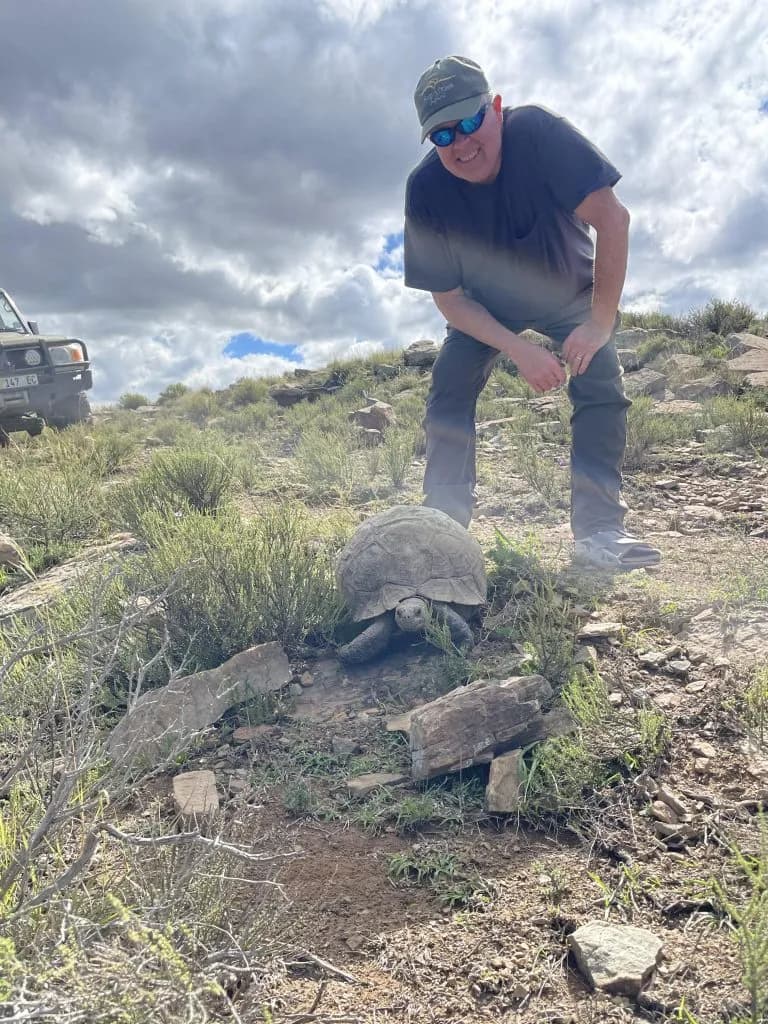
Steamboat Springs —“‘I was trying to rebuild my heart,’ Mike said. ‘I was still very weak.’”
That quote sits somewhere between a confession and a plea. It’s the kind of thing you hear when the medical jargon stops and the human reality begins. Mike Warne, a Craig resident, wasn’t just tired. He was trapped. His heart was pumping at only a quarter of its capacity after a series of illnesses and injuries dragged his fitness down to the dirt. A critical heart failure in the spring of 2025 turned his world into a small, suffocating box.
He could walk to the front door of the grocery store. He couldn’t make it to the checkout.
Life was becoming almost impossible, not because the doctors couldn’t keep him alive, but because they couldn’t quite figure out how to let him live. That’s when the Craig community got lucky. Memorial Regional Health had recently opened its cardiopulmonary rehab program right here in town. It wasn’t a distant referral to a big-city hospital; it was down the street. It was perfect timing.
The program is simple in concept, brutal in execution, and miraculous in results. Mike signed up for three sessions a week, thirty-six sessions total. The goal wasn’t to fix him with a scalpel or a pill. It was to strengthen the system that powers the body by helping it strengthen itself.
Anessa Kopsa, the manager of the cardiopulmonary rehab center at MRH, tracks progress using a six-minute walk test. It’s a standard measuring stick. A person of a certain age and weight should be able to walk a certain distance. If they can’t, the rehab program works to change that. They do it through safe, monitored, regulated exercise. They achieve it through coaching on nutrition. They succeed by removing the fear that comes with moving a broken body.
“A lot of what we provide is peace of mind,” Kopsa said.
That peace of mind comes with hooks and wires. They monitor oxygen levels. They hook patients up to heart monitors to track rhythm and rate. The target is specific: get the heart rate 20 to 30 beats per minute over resting. Not too fast to cause panic. Not too slow to be useless. Just enough to force adaptation.
Mike took it seriously. He had big goals. A couple of weeks before he finished the program, he and his wife took a trip to Yellowstone. He hiked two miles without stopping. Think about that. Two miles. Without stopping.
Compare that to the beginning, when he had to stop during the six-minute walk test, gasping for air just a few yards from the starting line. The contrast isn’t just medical; it’s existential. He went from being unable to make it through the doors at Walmart to traversing the rugged terrain of Yellowstone.
Exercise after a heart event is daunting. It’s scary. Most people freeze, waiting for the next big drop. The rehab center removes those barriers. They ensure safe exercise through monitoring and incremental progress. They give patients the tools to continue their health journeys at home, long after the last session ends.
This matters because healthcare often feels like something that happens to you. You get paged. You get injected. You get sent home with a slip of paper. Rehab is different. It’s something you do. It’s active. It’s local. It’s the difference between surviving your heart failure and actually getting your life back.
The folks in Craig explained the program to Mike. They took him at one of his weakest points. They convinced him that he could get better. And he did.
Now, when you drive past the MRH facility on your way to pick up groceries, remember that inside, people are relearning how to move. They’re relearning how to breathe. They’re rebuilding their hearts, one monitored minute at a time. It’s not magic. It’s just good, hard work, right here in our backyard.
Keep up with Steamboat Springs
The day's Western Slope news, one email each morning. Free.

NWRM CASA Honors Judge O’Hara and Founders at 15th Anniversary
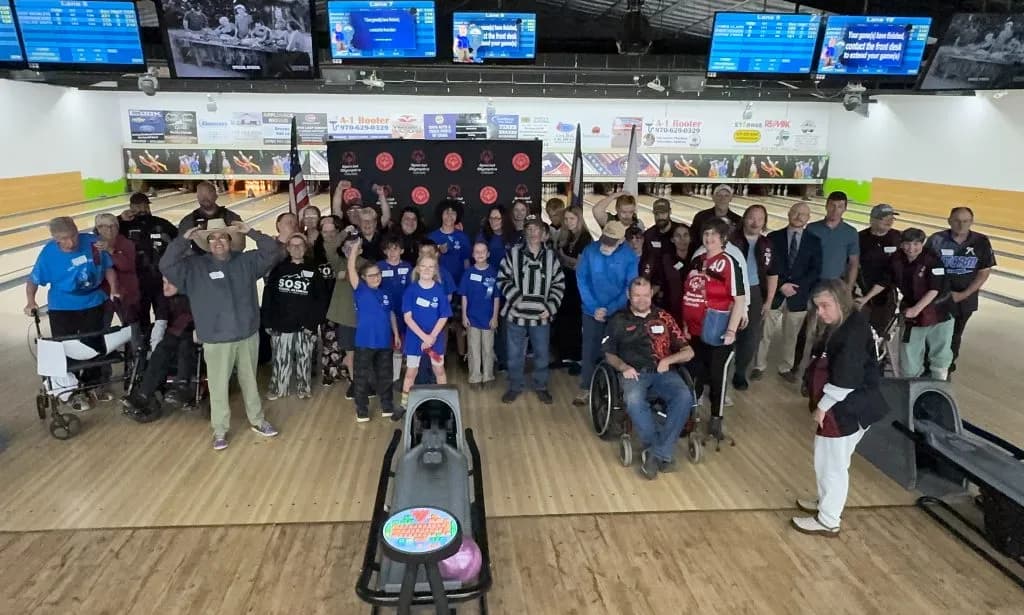
Craig Hosts Only Regional Special Olympics Bowling Competition