CU Anschutz Wins $120M Grant to Develop Synthetic Blood
CU Anschutz secured a record $120 million Department of Defense grant to develop shelf-stable synthetic blood products, aiming to launch human trials within twelve months.
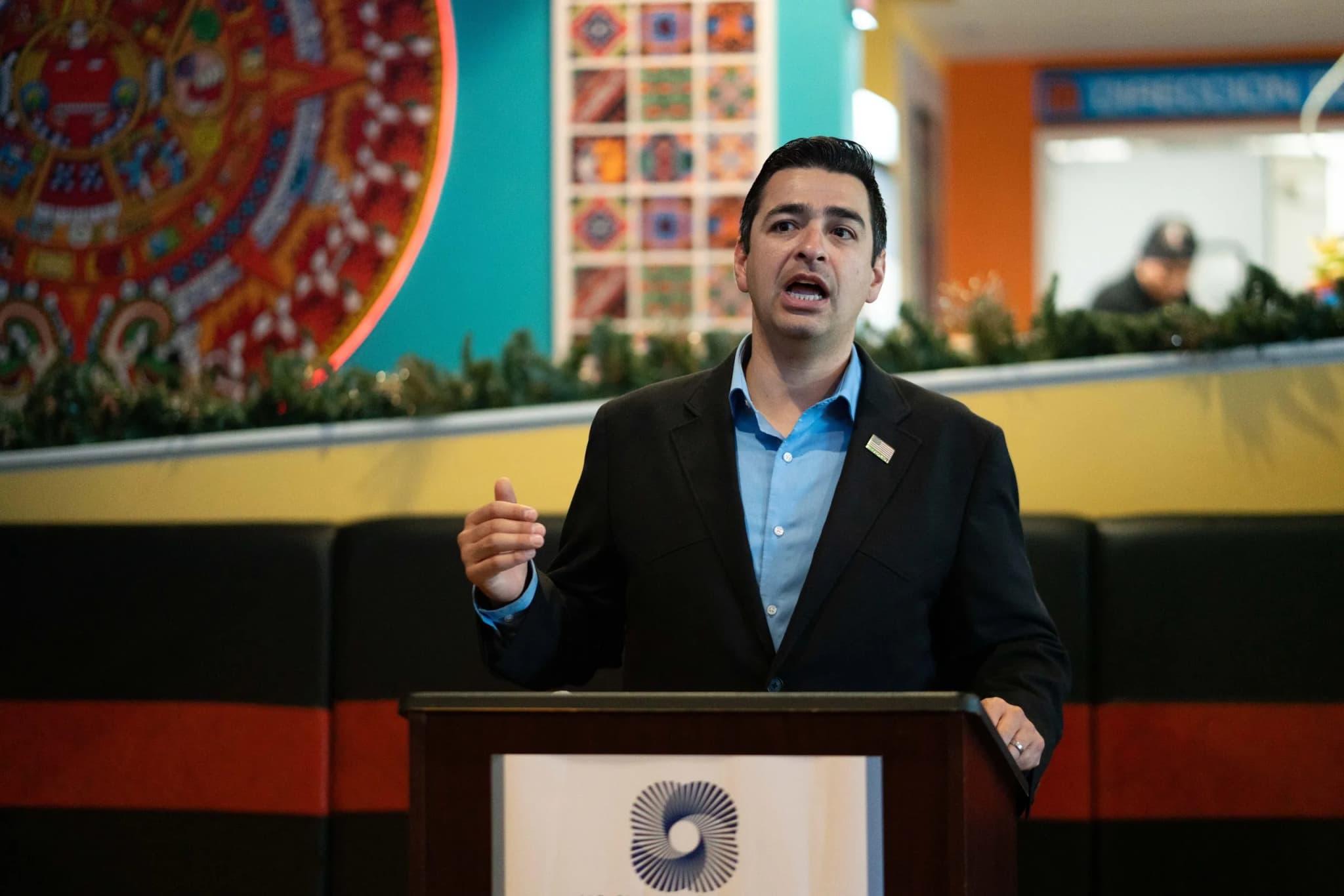
"It's going to be hard," said Dr. Vik Bebarta, an emergency physician and chair of CU Emergency Medicine. "But that’s what we like."
Bebarta is not talking about a new hospital wing or a difficult surgery. He is talking about synthetic blood.
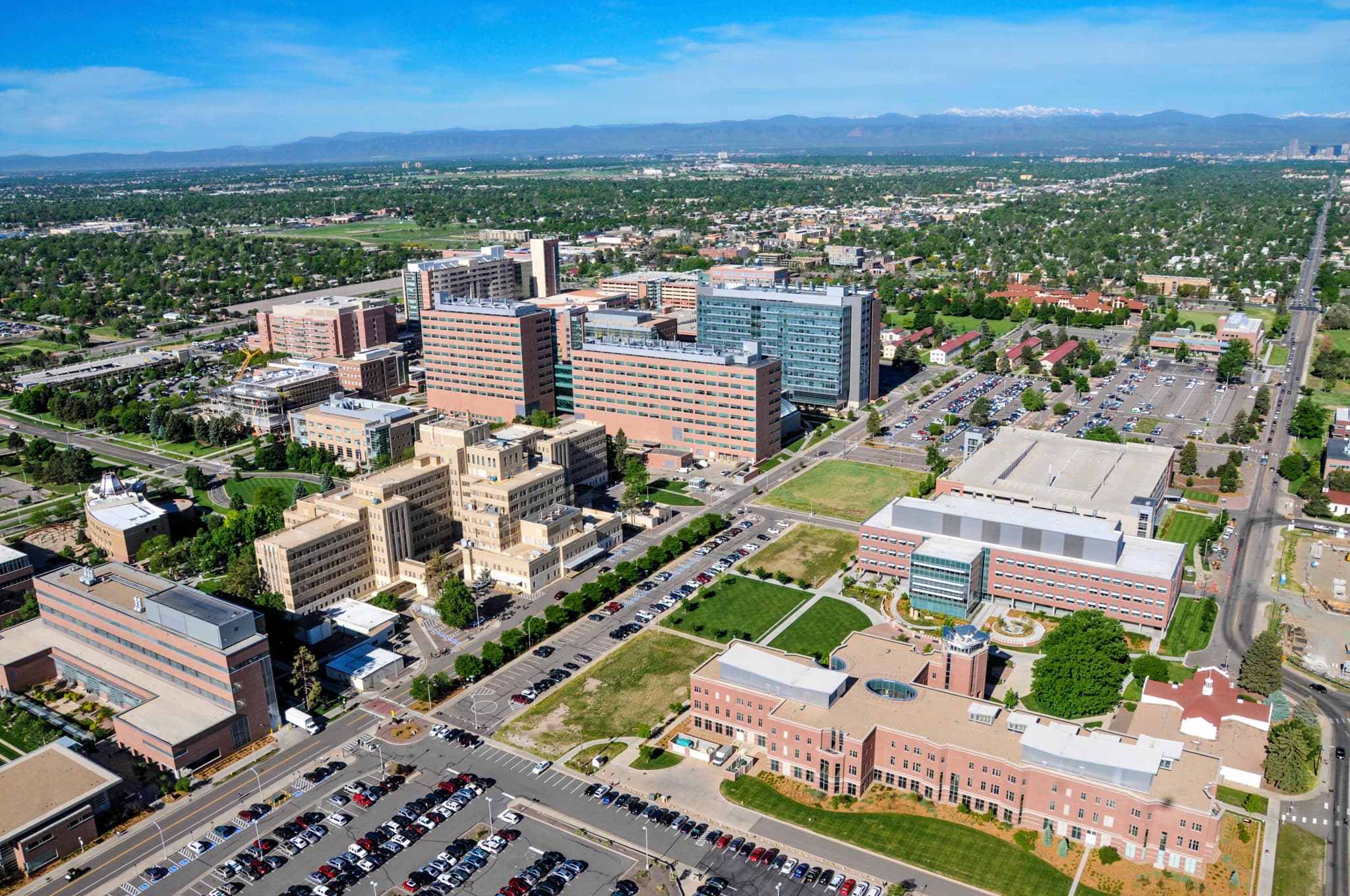
The University of Colorado Anschutz received up to $120 million over three years this fall. It is the largest federal research grant in the campus’s history, awarded by an arm of the U.S. Department of Defense. The money will fund a quest to create artificial substitutes for donated blood, a resource that is perpetually scarce and shockingly fragile.
The Colorado Sun reported on the grant, which aims to test freeze-dried plasma, synthetic platelets, and hemoglobin-type proteins. These products are designed to do what real blood does: clot wounds and deliver oxygen. If the trials go as planned, researchers hope to begin early human clinical trials within a year. By the end of the third year, they want a suite of fully tested products ready for wide use.
This is not just academic curiosity. It is a response to a crisis. This summer, the American Red Cross declared a national blood crisis for only the second time in its history. Locally, Vitalant reported a shortage of Type O blood, the versatile type used in emergencies when there is no time to match donors.
Donated blood does not keep well. Some components spoil in days. Synthetic versions could sit on a shelf for years.
The grant comes at a turbulent time for research funding in Colorado. CU-Anschutz is the state’s largest recipient of federal health research money. As recently as 20 months ago, proposed cuts by the Trump administration threatened to slash that funding by tens of millions annually. Judges’ orders and congressional action largely blocked those cuts, keeping federal research funding stable year-to-year. Last fiscal year, CU-Anschutz researchers received $392 million from the National Institutes of Health.
The grant signals that federal money is still flowing, at least for now. But the reliance on federal dollars makes the program vulnerable to political shifts.
For folks in the valley, the stakes are practical. When a car rolls over on I-70 or a patient arrives at a rural ER with internal bleeding, the clock is ticking. Blood banks in Denver or Grand Junction may be empty. A synthetic product that can be stored locally, deployed quickly, and does not require a specific blood type match could change how we treat trauma.
The research team includes Tom Gronow, CEO of UCHealth University of Colorado Hospital, and Don Elliman, chancellor of CU-Anschutz. Both have watched the funding landscape shift under the current administration. They are betting that this $120 million grant will hold firm for three years.
The products in development are not one single item. They are a toolkit. Freeze-dried plasma for volume replacement. Synthetic platelets to stop bleeding. Hemoglobin proteins to carry oxygen. The goal is a system, not just a vial.
Bebarta’s comment about the difficulty rings true. Creating something that mimics the complexity of human blood is one of medicine’s hardest problems. The fluid in your body flows through 60,000 miles of vessels while simultaneously clotting and delivering oxygen. It is a bouncer and a delivery driver in one.
Replicating that outside the body, on a shelf, is a different challenge entirely.
The first human trials are expected to start within 12 months. If those early tests show the synthetic products work safely, the push will accelerate toward widespread use by year three.
The Red Cross calls it a crisis. Vitalant calls it a shortage. The Department of Defense calls it a strategic priority.
For now, the real thing is still in short supply. The synthetic version is still in a lab. But $120 million is a serious bet that the gap between the two will close sooner than most expected.
Keep up with the Western Slope
The day's Western Slope news, one email each morning. Free.