Vail Unveils $340 Million I-70 Safety Upgrades at Summit Ceremony
State and local leaders cut the ribbon on a $340 million I-70 project in Vail, aiming to reduce weather-related closures on the treacherous mountain corridor.
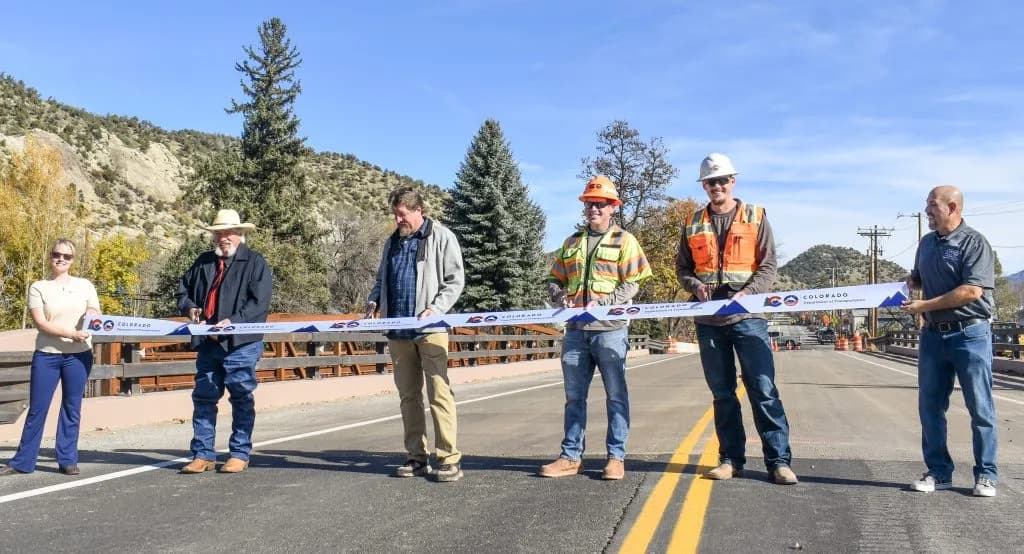
Aspen —The wind howls across the 10,603-foot summit of Vail Pass, whipping snow against the windshield of a sedan navigating the icy curve toward East Vail. For drivers, the view is a blur of white and gray; for officials, it was a stage. On Monday, atop that very pass, state, federal, and local leaders gathered to cut the ribbon on a $340 million project that promises to tame one of Colorado’s most treacherous stretches of Interstate 70.
The project, officially the I-70 West Vail Pass Auxiliary Lanes initiative, is a six-year endeavor now declared complete. The goal is straightforward: reduce closures and improve safety on the 10-mile corridor between East Vail and the summit. But the numbers behind the celebration are stark. Federal Highway Administration Division Administrator John Cater noted that this specific segment of I-70 currently ranks as the number one interstate in the nation for time lost to weather incidents. That is a heavy burden for a road that serves both tourists and locals alike.
CDOT Executive Director Shoshana Lew, who has led the department for eight years and is set to leave her post in approximately six weeks, framed the project as a crowning achievement of her tenure. She highlighted the unique challenge of the corridor, which combines the complexities of rural roads with the high traffic volumes typical of urban areas. "Anyone who travels this corridor knows that Vail Pass represents some of the most challenging terrain on Colorado’s highway system," Lew stated. She expressed hope that the new winter features would see more use this season than in the previous year, which suffered from record-low snowfall. "It’s a low bar," she quipped, acknowledging the irony of hoping for bad weather to justify the investment.
Vail Mayor Barry Davis joined the podium to deliver a message of reassurance to residents and visitors. He emphasized the town’s commitment to a "customer service approach" for everyone traveling to Vail, whether they are staying overnight or simply passing through. Davis promised that this winter would be better than the last, a statement that carries significant weight given the variable nature of mountain weather. He argued that the improvements in mobility and safety would make the journey to Vail a more memorable and secure experience for all travelers.
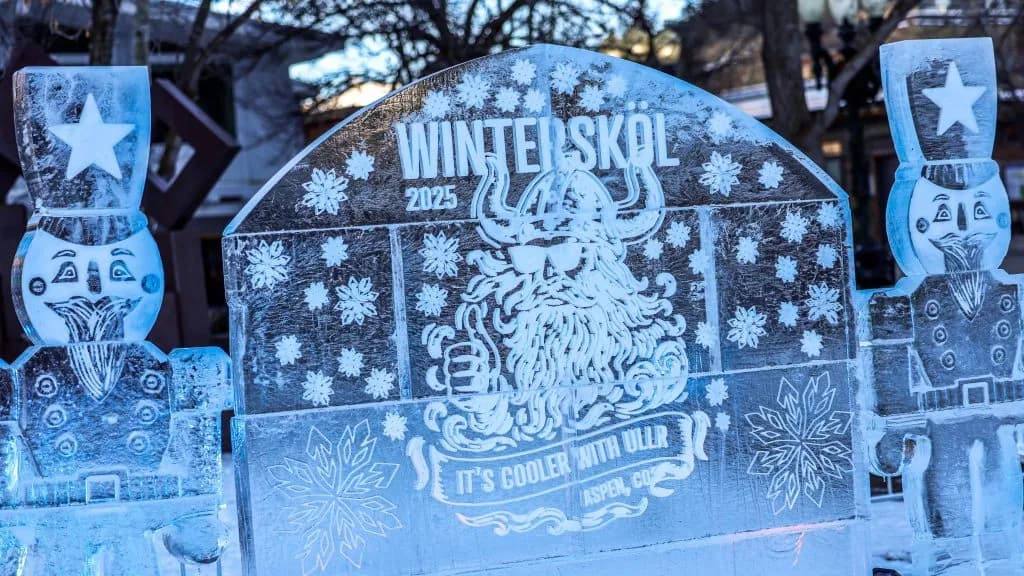
The ceremony included a touch of local flair, with CDOT inviting a performer dressed as Ullr, the Norse god of winter and skiing, to drive home the seasonal connection. This theatrical element underscored the cultural significance of the pass, which is not just a route but a gateway to the ski industry and outdoor recreation economy of the Western Slope.
For context, the $340 million price tag covers extensive upgrades, including new auxiliary lanes designed to allow traffic to flow even when one lane is closed for maintenance or accidents. These lanes are critical for reducing the bottlenecks that often lead to long delays and frustrated drivers. The project also includes enhanced safety features such as improved signage, better lighting, and upgraded barriers to protect vehicles from falling off the steep drop-offs characteristic of the pass.
In practice, these changes should mean fewer full road closures during peak travel times. Historically, a single accident or mechanical failure on the single-lane sections of the pass could shut down the entire corridor for hours, stranding hundreds of cars in the cold. With the new auxiliary lanes, traffic can continue to move in the opposite direction or bypass the incident, significantly reducing the duration of disruptions.
However, the success of the project ultimately depends on usage. As Lew pointed out, the winter features are only useful if there is snow. If this season mirrors the previous one, the investment in snow-specific infrastructure may remain underutilized. Yet, the safety improvements benefit drivers year-round, regardless of precipitation. The reduced risk of weather-related delays is a tangible gain for commuters and tourists alike, potentially saving thousands of hours of lost time annually.
The collaboration between state, federal, and local entities highlights the multi-layered governance required for such a major infrastructure project. CDOT provided the primary funding and execution, the Federal Highway Administration offered additional support and oversight, and local officials like Mayor Davis ensured the project aligned with community needs and expectations. This partnership model is increasingly common for large-scale transportation projects, allowing for shared costs and coordinated planning across jurisdictions.
As the ribbon-cutting concluded, the focus shifted back to the road itself. The new lanes are already open to traffic, and the first winter storms are expected within weeks. Whether the $340 million investment lives up to the hype will depend on how well the new infrastructure holds up against the elements. For now, the officials are celebrating, but the real test begins when the first flake of snow falls on the pass. The drivers of the Western Slope will be the final judges of whether this project truly makes the journey safer and smoother, or if it merely adds another layer of complexity to an already challenging route. The bottom line is clear: the money has been spent, the lanes are paved, and the hope is that the next time you cross Vail Pass, you’ll do so with a bit less anxiety and a bit more confidence in the road beneath you.
Keep up with Aspen
The day's Western Slope news, one email each morning. Free.