Denver-area inflation surges to 5% as gas prices spike
Denver-area inflation hits 5% driven by a 24.3% jump in gas prices and rising energy costs, forcing locals to rethink spending as geopolitical tensions impact local pumps.
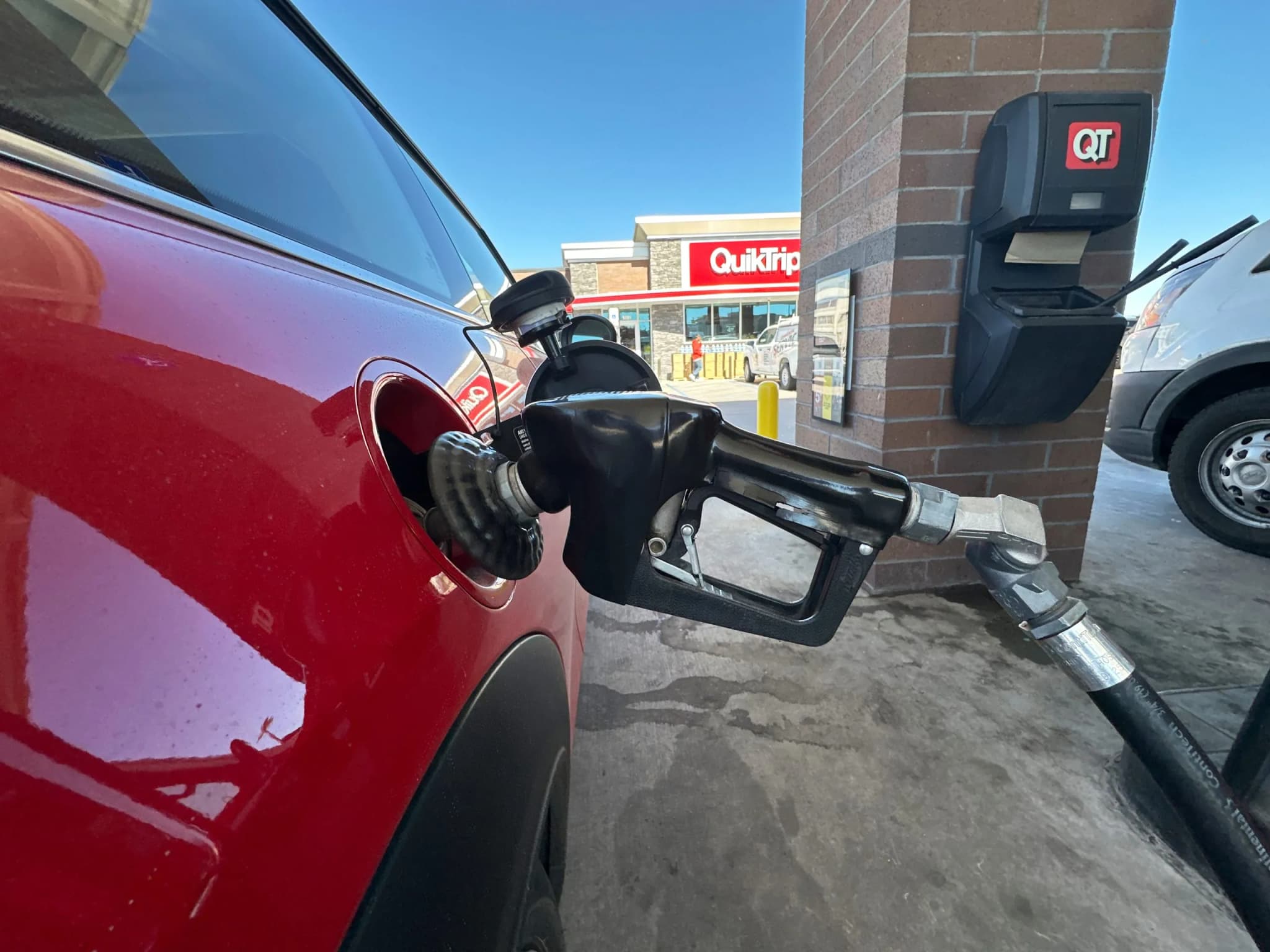
Colorado —The smell of burnt rubber and stale coffee at the morning commute on I-70 is usually the only thing that signals a bad day, but this week, the air itself feels heavier, charged with the static of a wallet bleeding out. You can feel it in the way people double-check their receipts at the grocery store, in the hesitation before pulling into the drive-thru, in the way the light hits the gas pumps at QuikTrip on a Tuesday morning, making the numbers glow like a warning sign. Just as we thought the squeeze was loosening, the Denver-area inflation rate has surged back to 5% for May, a figure that hasn’t been this high since the peak of the post-pandemic panic in late 2023. It’s not a gradual creep; it’s a sudden, sharp intake of breath that’s forcing neighbors to rethink what they can afford to keep on the table.
The obvious culprit, the one screaming from the headlines and the fuel gauges, is energy. The U.S. Bureau of Labor Statistics reports that energy costs have jumped 15% since March, driven largely by the escalating tensions in the Middle East and the specific geopolitical ripple effects hitting our local pumps. Denver-area gasoline prices are up 24.3% in just those two months, and a staggering 41.8% compared to this time last year. That is not a rounding error; that is a tax on mobility. If you drive a truck, if you haul goods, if you just need to get to the hospital in Grand Junction or the office in Broomfield, you are paying for it. The national average for gasoline is up 40.5%, but here in Colorado, the pain is localized and acute. Regular gas hit $4.27 a gallon overnight, a ten-cent spike that happened while the national average actually dipped a penny to $4.15. We are paying more, and we are paying it faster than the rest of the country.
But if you look closely at the broader basket of goods, the story gets more textured, more complicated. It’s not just the oil; it’s the food. The cost of eating out has climbed 2.9%, while groceries at home have risen a more modest 11% — wait, no, 1.1% — from a year ago. That distinction matters. It suggests that while the restaurant industry is passing on the energy hike directly to the diner, the supermarket shelves are holding their ground, or at least, holding their prices. Apparel and transportation have also seen double-digit growth, up 13.9% and 10.8% respectively. This is a broad-based pressure, not a single-point failure.
Gary Horvath, an economist in Broomfield, suggests we shouldn’t panic just yet. He points to the war in Iran, which began in late February, as a primary driver of the gasoline spike. "Some of the increases are a result of policies or decisions made by government officials," Horvath notes. "In those cases, their impact may be short term." He’s betting that with an election year looming, political pressures might cool the gasoline markets in the coming months. It’s a plausible theory, a hopeful one, but it relies on the assumption that the geopolitical fuse will burn slowly enough for us to catch our breath.
The reality on the ground, however, is that the U.S. launched new airstrikes against Iran on Tuesday night, following a helicopter collision with an Iranian drone near the Strait of Hormuz. Oil transport is at a near standstill. The supply chain is tight. The price at the Conoco on Ogden Street and 58th Avenue, which was $4.69 a gallon in early May, is likely climbing still. We are watching the global map zoom in on a single point of conflict, and that point is dictating the price of our morning commute. The data is clear, the energy is up, and the wallet is lighter. You just have to wait for the next report to see if the theory holds, or if the war keeps the pump prices high until the leaves turn.
Keep up with Colorado
The day's Western Slope news, one email each morning. Free.

Federal Report Sets 200,000 Acre-Foot Water Conservation Target for Upper Basin
Colorado Parks and Wildlife Deploys Precision Drones for Weed Control