Denver Pavilions Vacancy Signals Post-Pandemic Retail Struggle
The Denver Pavilions faces severe vacancy and low foot traffic, illustrating the broader struggle of commercial real estate in downtown Denver as remote work and shifting tourism patterns render the old retail model obsolete.
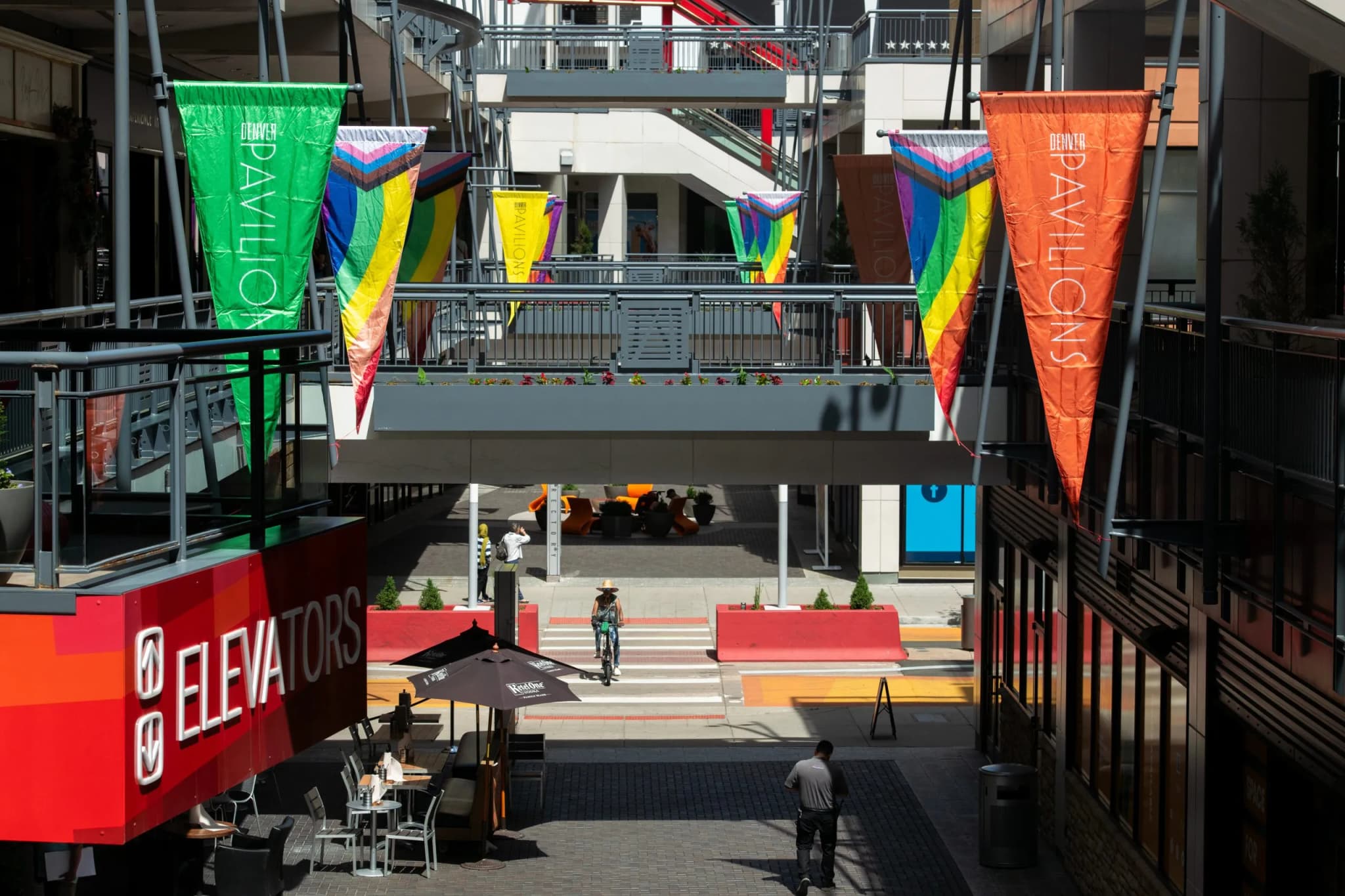
Colorado —A 350,000-square-foot retail and entertainment complex. One thousand parking spots. A dozen screens. And right now, barely enough foot traffic to justify the electric bill.
The Denver Pavilions, that sprawling 16th Street fixture between Tremont Place and Welton Street, is staring down the barrel of a "new era." It’s a phrase officials love. It usually means something changed. In this case, it means the place that once symbolized downtown Denver’s eclectic identity is now defined by vacancy banners and half-empty dining rooms.
Let’s look at the math. The complex opened in 1998. It’s been a premier outdoor mall experience for nearly three decades. It sits just a few blocks east of the Colorado Convention Center and a short walk from the Civic Center Plaza transit hub. It has Maggiano’s Little Italy. It has a bowling alley. It has the infrastructure to handle thousands of people a day.
Today, it handles a table of scientists from the Aerospace Medical Association, a businessman typing on a laptop, and a group of tourists laughing over photos. That’s it.
The shift is stark. On June 5, inside 5280 Burger Bar, the contrast was visible. The hot honey mustard was still there, but the crowd wasn’t. The "open" signs glowed on ground-floor businesses, but the second level was a graveyard of former retail spaces. The windows were veiled in leasing signage, hiding the complex’s remaining value under a layer of uncertainty.
This isn’t just a bad week. This is a structural problem.
The Pavilions was built for a different Denver. It was built for the lunch rush of office workers strutting to restaurants. It was built for the tourists flooding into Upper Downtown. Now, those workers are remote or hybrid. Those tourists are scattered. The "melting pot" vibe has evaporated, replaced by a quiet desperation that looks suspiciously like opportunity to someone willing to buy in.
The article notes that officials want to see more of these specific people — the scientists, the business travelers, the locals filling in the gaps. They want the buzz back. But you can’t mandate buzz. You can’t zone for nostalgia. The Funko Pop Valentine’s Winnie the Pooh figure that survived the turmoil is now just a relic on a shelf. Hot Topic is gone. The rest of the eclectic mix is thinning out.
On paper, the location is prime. In practice, it’s a cautionary tale about commercial real estate in a post-pandemic city. The open storefronts aren’t just advertising vacancies; they’re admitting that the old model of retail and entertainment aggregation isn’t working at scale anymore.
The new era isn’t about fixing the lights. It’s about figuring out what this 350,000-square-foot box actually is now. Is it still a mall? Is it an office park? Is it housing? The leasing boards suggest the market is waiting for someone to answer that question. Until then, the scientists and the tourists will keep eating their chicken sandwiches in the quiet, and the city will keep watching the empty windows.
Keep up with Colorado
The day's Western Slope news, one email each morning. Free.
Federal Report Sets 200,000 Acre-Foot Water Conservation Target for Upper Basin
Colorado Parks and Wildlife Deploys Precision Drones for Weed Control