Dr. Bradley Nelson Teaches Heart Code in Avon
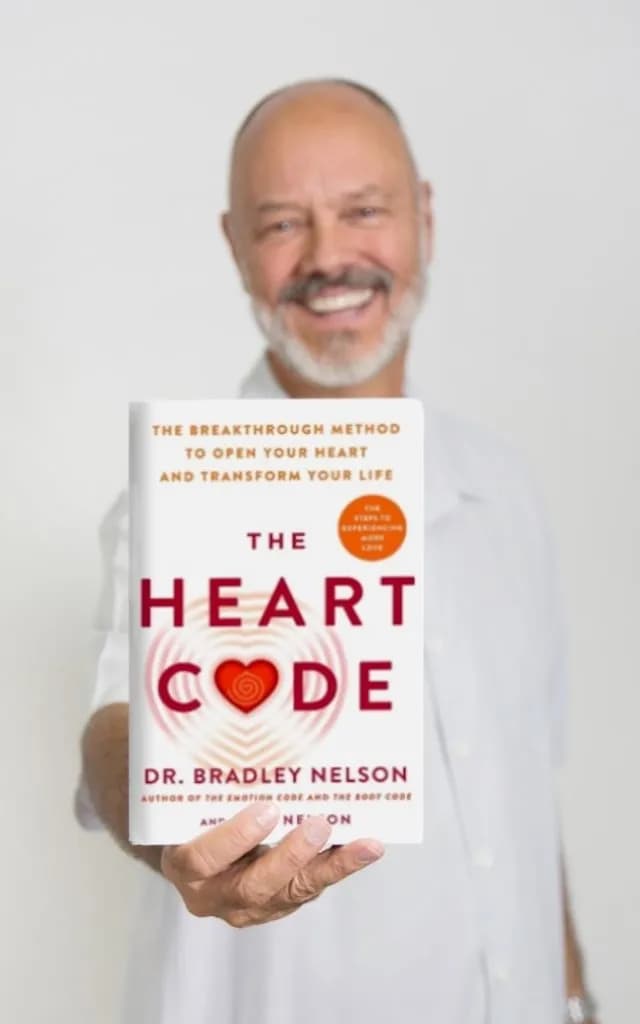
Dr. Bradley Nelson brings his The Heart Code framework to Avon's Eagle River Presbyterian Church as part of the Vail Symposium, teaching locals how to clear trapped emotions and heal energetic barriers.
Aspen —The air inside Eagle River Presbyterian Church in Avon is still, but the conversation swirling around the pews is anything but quiet. It’s about the invisible weight people carry in their chests — the specific, heavy knot of grief or the sharp, jagged edge of anxiety that sits right behind the sternum. On Monday night, the room fills with locals who aren’t looking for a sermon, but for a toolkit. They are here to figure out how to dismantle the walls their subconscious built to protect them, hoping to let the light back in.
This is the premise of the Vail Symposium’s latest offering: a practical, step-by-step framework for identifying and dissolving energetic barriers. The guest is Dr. Bradley Nelson, author of The Heart Code: Opening Your Heart to Love Again. He isn’t just talking about feeling sad; he’s talking about physics. Or at least, what he calls the physics of emotion.
“Most of us carry emotional baggage we don’t even realize is there,” Nelson tells the crowd. “When we learn how to decode and gently clear those trapped emotions, we can move out of survival mode and back into a life where love, joy and authentic connection feel possible again.”
It sounds simple enough. Clear the baggage. Open the heart. But Nelson’s approach digs deeper into the mechanics of it. Drawing on decades of experience in holistic healing and energy work, he argues that traumatic experiences don’t just leave a mark on your memory; they leave a mark on your body. Emotions become trapped. They get stuck. And when they stay stuck, they create invisible walls that affect your relationships, your self-worth, and your overall vitality.
The evening’s presentation focuses specifically on the heart as an energetic and emotional center. It’s not just about the pump in your chest; it’s about the heart as a battery for your entire being. If that battery is drained by unresolved grief or prolonged stress, everything else in your life runs on fumes.
James Kenly, the executive director of the Vail Symposium, sees this as more than just another wellness trend. “This program touches on something nearly everyone can relate to,” Kenly says. “Whether you’re navigating heartbreak, healing from loss or simply wanting to live with a more open heart, Dr. Nelson offers a thoughtful, actionable pathway to more compassion — for yourself and for others.”
And that matters because the alternative is stagnation. The symposium isn’t just hosting a lecture; it’s setting the stage for a Q&A where attendees can ask how to apply The Heart Code to real-life scenarios. How do you rebuild trust after a breakup? What steps are needed to shift the long-held pattern of self-criticism that keeps you awake at 3 a.m.? Why does emotional numbness persist when the world around you is screaming for attention?
This is part of the Vail Symposium’s 2026 consciousness and wellness offerings, a series designed to explore how inner transformation shapes outer lives. It’s a reminder that in a town known for its physical peaks and valleys, the internal landscape can be just as rugged. The tools Nelson offers, specific perspectives aimed at transforming how we relate to ourselves after loss or heartbreak; are presented not as vague platitudes, but as concrete steps.
Outside the church, the Colorado night is cold, the kind of crisp air that clears the lungs. Inside, people are listening, trying to untangle the knots. They’re looking for a way to stop surviving and start living. It’s a quiet pursuit in a large room, but the stakes feel high. You can’t fix what you can’t see, and for many of these neighbors, the first step is simply acknowledging that the weight they’ve been carrying isn’t just in their heads. It’s in their hearts. And it’s time to let it go.
Keep up with Aspen
The day's Western Slope news, one email each morning. Free.


Roaring Fork Transportation Coalition Proposes HOT Lane to Ease Aspen Congestion
Eagle County Judge Receives Legacy Award for Mental Health Court Reforms