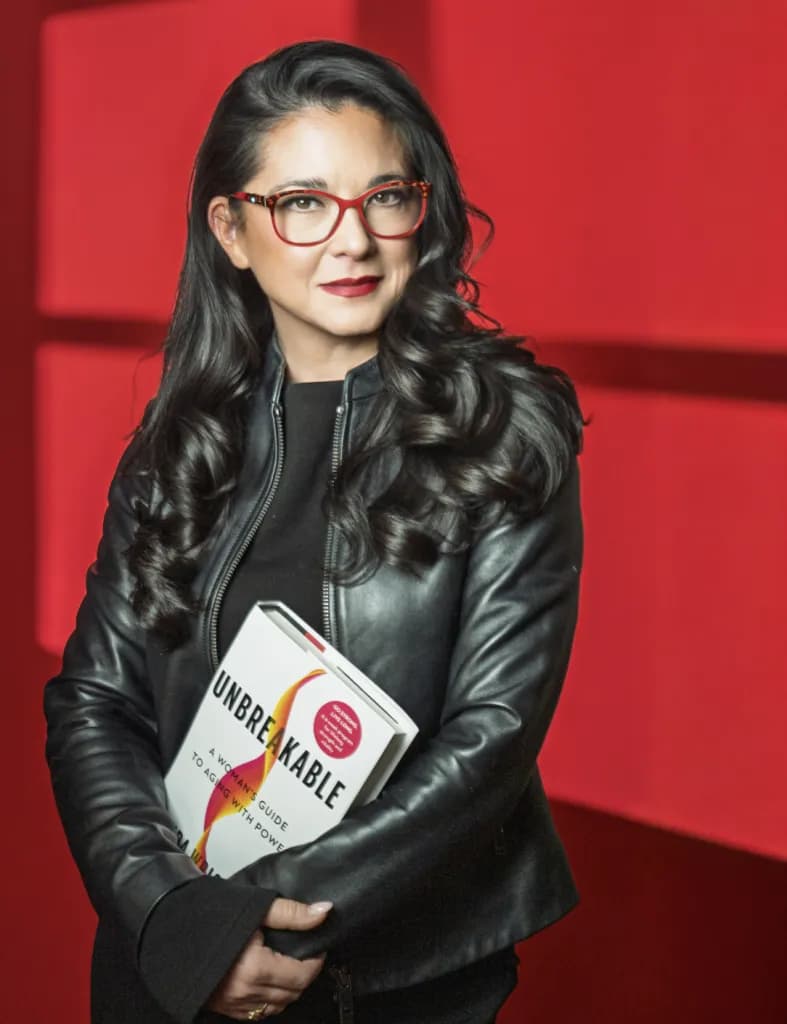
Dr. Vonda Wright Teaches Aspen Locals to Train for Aging
Dr. Vonda Wright challenges the idea that aging is passive, teaching Aspen residents how to maintain musculoskeletal health and independence through mindset, movement, and nutrition.
Aspen —What happens to your knees when you’re sixty-five and still trying to outrun the sunrise on the Maroon Bells?
That’s the question hanging in the thin, cold air of Aspen, where the idea that aging is a passive event — something that just happens to you — is being dismantled by Dr. Vonda Wright. She’s not just an orthopedic surgeon who fixes torn ligaments; she’s a longevity researcher who argues that getting older is something you can actually train for. It’s a radical shift from the way most of us view our bodies: as machines that slowly rust. Wright says no. You just need the right maintenance schedule.
Wright recently spent time in the valley, talking to locals who are tired of accepting decline as the default setting for their later years. Her work, centered at the University of Pittsburgh’s PRIMA group, focuses on athletes over thirty-five. They aren’t looking at elite Olympians who started training at age six. They’re looking at regular people who want to stay capable. And what they’re seeing challenges the narrative that we just wither away.
"The gatekeeper is musculoskeletal health," Wright says, noting that strength and mobility are the real metrics of independence. "When we look at frailty and loss of independence, the gatekeeper is musculoskeletal health."
It’s a stark realization for folks in the valley who spend their weekends hiking, skiing, or just trying to carry groceries up the stairs without groaning. But Wright didn’t just arrive at this conclusion by watching people walk. She looked at the data, and the numbers were embarrassing. Women make up 51% of the population and handle 80% of healthcare decisions, yet only about 1% of healthcare research funding is directed toward them.
"In 2012, I read that women make 80% of healthcare decisions and realized they were doing that without the research and resources they deserved," Wright explains.
This lack of investment means we’re flying blind when it comes to menopause and its impact on muscle and bone. Women are living longer, sure, but we haven’t invested enough in understanding the specific changes that affect them during those extra years. It’s not that women are built differently in a way that makes decline inevitable; it’s that we’ve ignored the biology that keeps them strong.
Take the local runner who asks why her Olympian friends seem to have a different baseline. Are they just genetically superior? Not exactly. Wright points out that Olympians are selected early and trained in systems that refine performance in ways most people never experience. There’s biology there, more efficient mitochondrial function, higher VO2 max; but there’s also history. It’s not just effort. It’s the cumulative effect of decades of specialized training.
So, how do you apply this to your Tuesday morning routine? Wright boils it down to three things: mindset, movement, and nutrition.
Mindset comes first. Up to 47% of how we age is tied to the mindset we bring to it. That’s a big chunk of the puzzle right there. Then comes movement. Start simple. Walk every day for a week. From there, strength becomes the game-changer. It’s not about lifting heavy weights until you can’t get up; it’s about preserving muscle so you don’t lose your mobility.
Nutrition is the final pillar, though Wright’s notes cut off there, leaving the specifics to the reader’s discretion. But the message is clear. Aging isn’t a sentence. It’s a project. And in a town like Aspen, where the view from the top of the world is always within reach, that project feels less like a chore and more like a privilege.
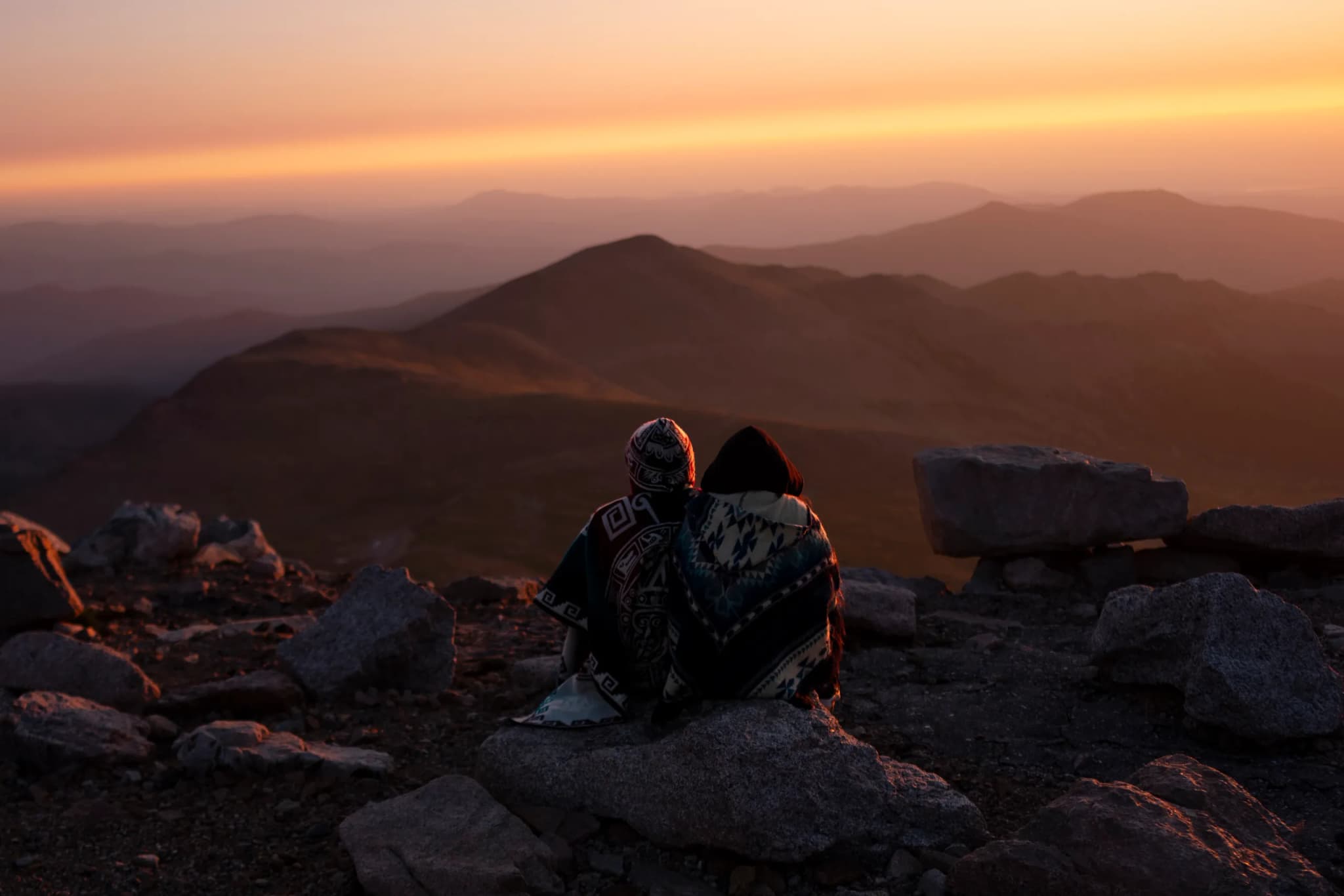
The sun dips below the Elk Mountains, casting long shadows over the snow-dusted trails. A lone hiker adjusts her pack, checking her pace, her breath steady in the cooling air. She’s not waiting for her body to fail her. She’s training for the climb.
Keep up with Aspen
The day's Western Slope news, one email each morning. Free.

Roaring Fork Transportation Coalition Proposes HOT Lane to Ease Aspen Congestion
Eagle County Judge Receives Legacy Award for Mental Health Court Reforms