Eagle County Residents Pedal to Work on June 24 for Cleaner Air
Eagle County residents celebrate Bike to Work Day on June 24, swapping cars for bicycles to reduce greenhouse gas emissions and utilize the growing Eagle Valley Trail network.
Aspen —The air in the Eagle Valley still holds the chill of the night, a crispness that settles into the bones until the sun finally crests the peaks. It is the kind of morning that demands you move, that pulls you out of the warm stillness of your kitchen and onto the pavement. On Wednesday, June 24, that pull becomes a collective invitation. Residents are asked to trade the hum of idling engines for the rhythmic whir of bicycle chains, to celebrate Bike to Work Day not just as a calendar event, but as a tangible shift in how we navigate our home.
This isn’t just about getting from point A to point B. It’s about the perspective you gain when you’re low to the ground, when the wind hits your face instead of filtering through a car window. Across Colorado, thousands make this choice annually, but here in Eagle County, the stakes feel different. Transportation has become the largest source of greenhouse gas emissions in the valley, a fact that looms large when you consider the sheer volume of vehicles clogging the arteries of our towns.
Consider the math of it. A typical passenger vehicle emits about 400 grams of carbon dioxide for every mile traveled. If you take a standard 10-mile round-trip commute, you are pushing nearly 9 pounds of carbon into the atmosphere. A bicycle? Virtually none. The Climate Action Collaborative, which is organizing the day’s events, points out that if just 500 residents choose to pedal instead of drive on June 24, our community could prevent more than 4,000 pounds of carbon dioxide from entering the air. That is roughly equivalent to the carbon absorbed by dozens of mature trees over an entire year. It is a small number of people, a single day, yet the impact is measurable.
There is a warmth to the infrastructure we’ve already built, even if it’s not quite finished. The Eagle Valley Trail serves as an important transportation corridor, a ribbon of paved path that connects residents to work, school, transit stops, and shopping centers. Many locals use portions of it every day. For some, it is a complete car-free commute; for others, it is a safe connection between neighborhoods. But the trail is not yet whole. It currently spans nearly 58 miles, with just five miles remaining to complete the full 63-mile corridor from Dotsero to Vail Pass. That missing link matters. Completing it would create safer transportation options and improve connectivity, making it even easier for residents to choose low-impact ways to travel.
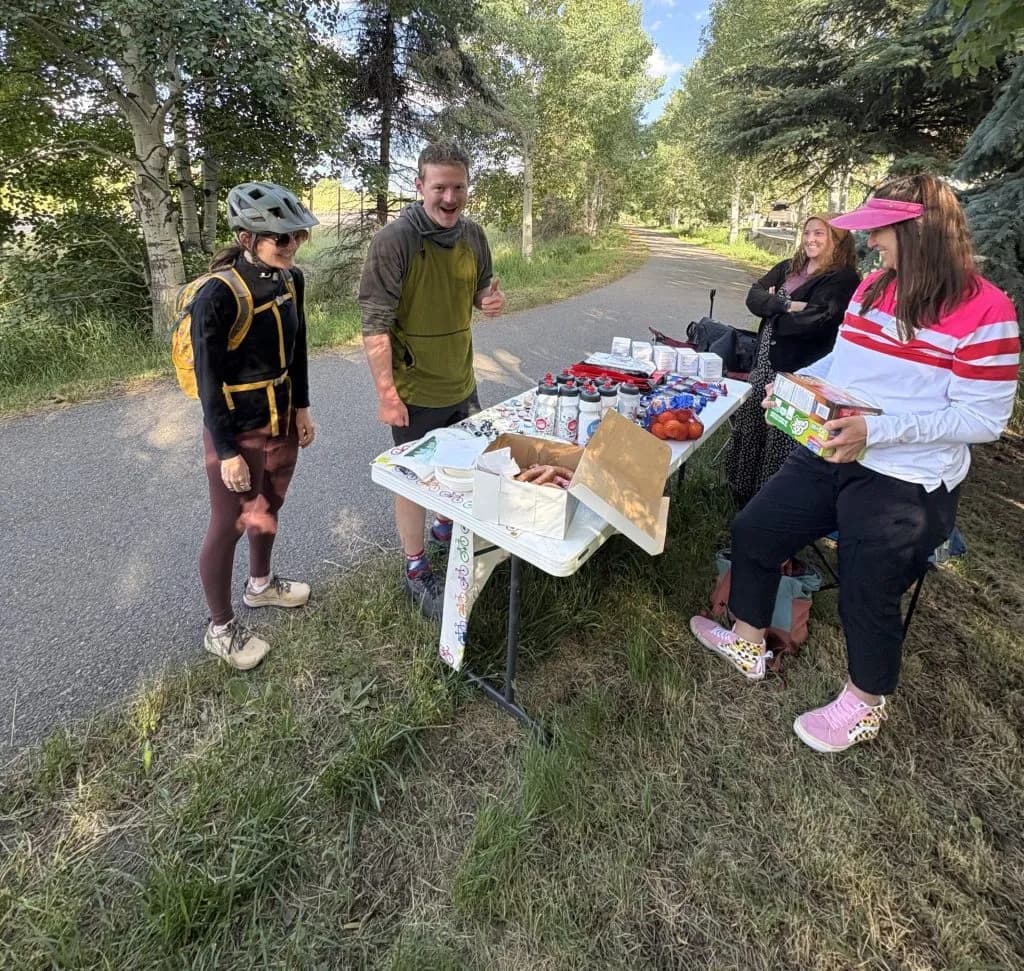
The day itself is designed to be celebratory, not punitive. Riders can stop at one of nine Bike to Work Day stations throughout the valley for free refreshments, community connections, swag, and a little extra encouragement to start the day. You’ll find them at key points along the route, offering donuts and conversation. The Walking Mountains station, for instance, will be bustling with riders celebrating their bikes, donuts in hand, a visual testament to the joy of movement.
Fewer cars on the road means less traffic congestion, cleaner air, quieter streets. It means more opportunities for people to incorporate exercise into their daily routines without needing a gym membership or a specific time slot. It’s about reclaiming the streets, not just for the commute, but for the life that happens in between.
If you look closely at the trail, you can see the intention behind the pavement. It was laid with the expectation that people would use it. That expectation is being tested and reinforced on June 24. The question isn’t whether you can make it to work on two wheels; it’s whether you want to experience the valley that way.
As the morning light hits the dust on the handlebars, as the chain clicks into place and you push off the curb, the noise of the valley changes. The rumble of trucks fades, replaced by the sound of your own breathing, the rustle of leaves, the distant call of a bird. It’s a sensory shift that lingers long after you’ve parked your bike and walked into the office.
Keep up with Aspen
The day's Western Slope news, one email each morning. Free.

NWRM CASA Honors Judge O’Hara and Founders at 15th Anniversary
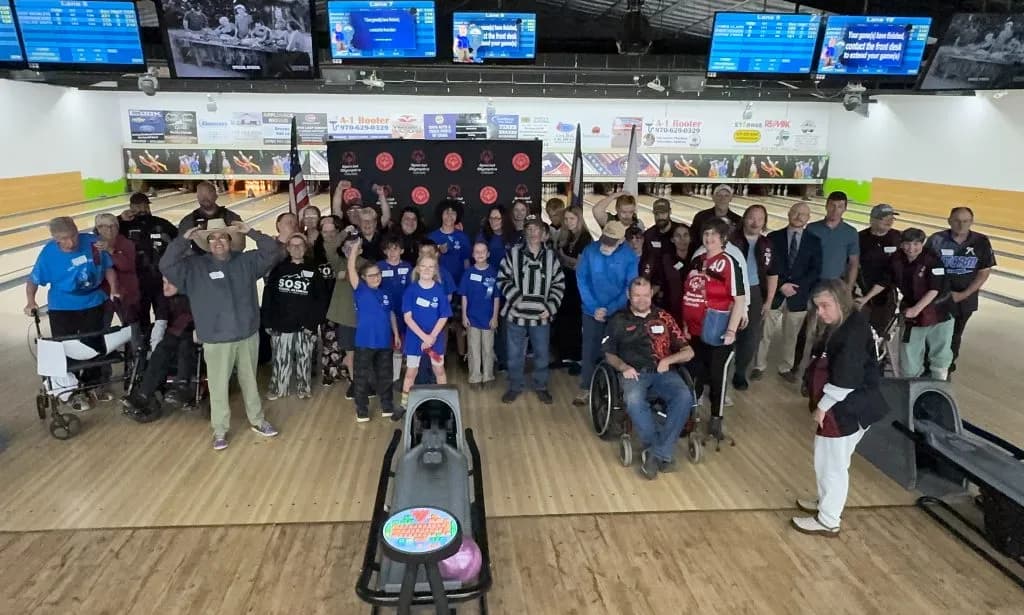
Craig Hosts Only Regional Special Olympics Bowling Competition