Eagle River Coalition screens 'The River' documentary in Edwards
The Eagle River Coalition and Eagle River Fund hosted a sold-out screening of the documentary 'The River' at the Riverwalk Theater in Edwards, focusing on the Colorado River's shrinking flows and local adaptation.
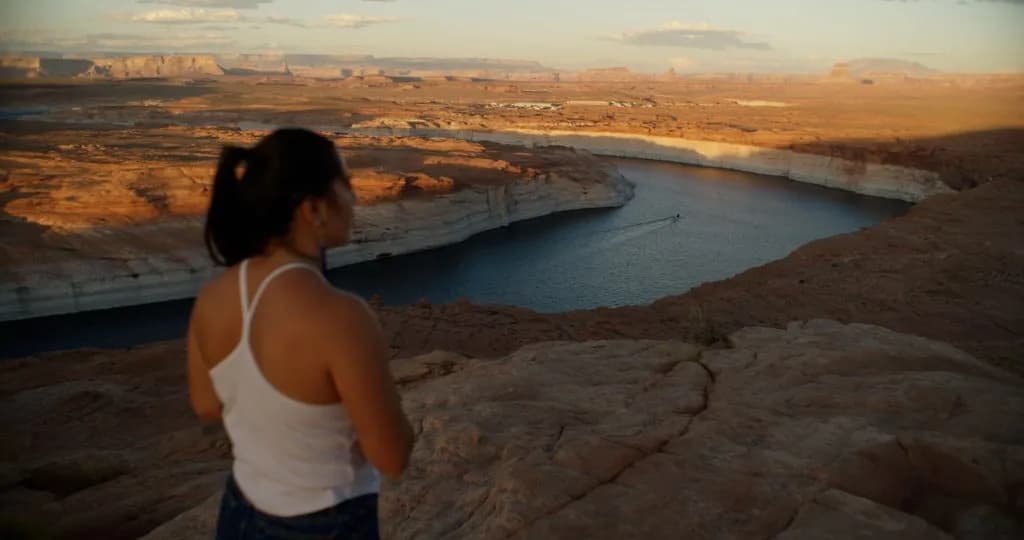
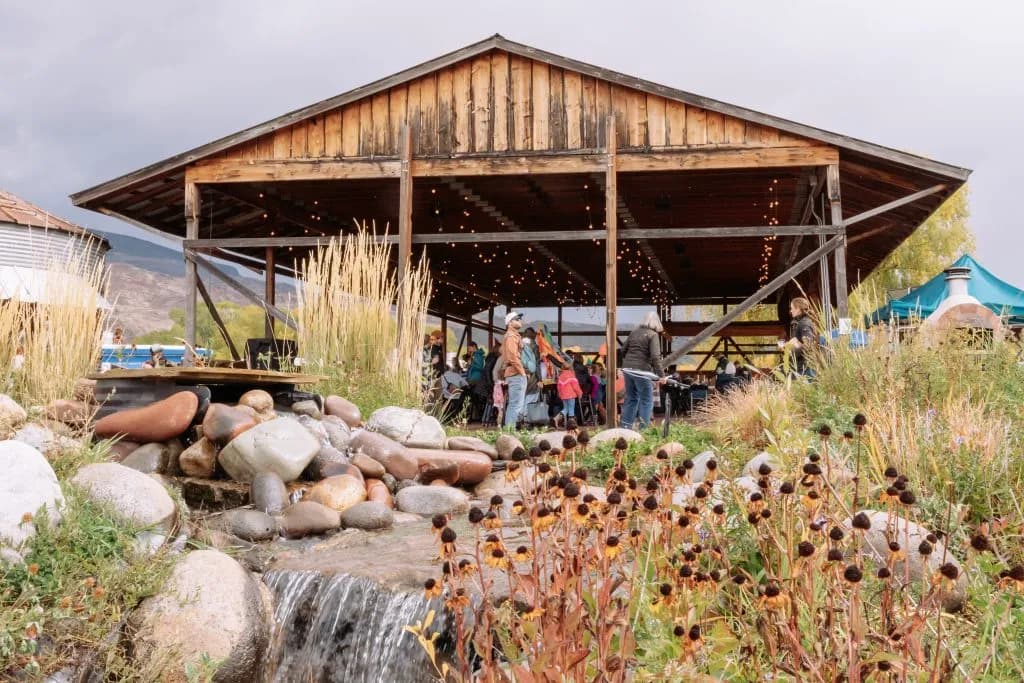
Aspen —The air inside the Riverwalk Theater on a Tuesday night held that specific, heavy stillness you only find in a room packed with people who are trying to listen. Extra chairs had been dragged in, wedged into the aisles, because the turnout for The River was larger than the venue’s standard seating could accommodate. The projector hummed, casting a beam of light onto the screen that illuminated the dust motes dancing above the heads of locals who had come to Edwards to understand the water that runs through their own backyards.
This wasn’t just a movie night. It was a gathering of the watershed.
The film, an award-winning documentary about the water wars over the Colorado River, premiered at the Boulder International Film Festival in April and is now touring the seven basin states. Its timing is sharp, landing right as the post-2026 operation agreement looms over the basin states’ negotiations. If you’re drinking water in Vail, that water is part of a system that is shrinking, and this film is trying to make sure we know what that feels like.
The event was spearheaded by the Eagle River Coalition and the Eagle River Fund, two groups dedicated to the ecological health of the Eagle River, which contributes 3% of its flows into the Colorado River. Tom Gart, director of the fund and a Vail local, stood before the crowd and reminded them that the river is the lifeblood of the valley.
“If you’re taking a drink of water, you’re part of the entire watershed, and so this little precious resource that we have, we’re gonna have to take care of it and we’re gonna have to adapt to the reality of what’s happening in today’s climate,” Gart said.
The goal was education, pure and simple. Vicki Flynn, director of the coalition, spoke right before the screening began, noting that many people have misconceptions about who is affected by the river’s decline and what it actually means for their daily lives. She hoped the film would clear those up.
Director and writer Mara Gasbarro Tasker brought a different perspective to the storytelling. Unlike many environmental documentaries that rely on scientists and experts to explain the science, Tasker’s crew went out and told the story with the people experiencing it. They followed the lives of locals whose existence has been upended by the shrinking river.
One of those people is Michael Moser, a recently retired Eagle County teacher of 27 years. Moser was featured in the film, and seeing himself and his former students projected onto the big screen was a surreal moment for him.
“It was really cool to see the kids up there,” Moser said after the screening.
The film posits that the river both unites and divides the people who depend on it. It sits in the middle of different cultures and different communities, meaning we aren’t all necessarily friends in the process, but we all share this waterway. Tasker’s approach was to let the human element drive the narrative, showing the rough edges of adaptation rather than just the scientific data.
As the lights came up and the crowd began to shuffle out into the cool Edwards evening, the conversation didn’t stop at the door. It spilled out onto the pavement, where the scent of pine and damp earth hung in the air. People talked about the 3% contribution of the waterway, about the post-2026 agreement, and about the teachers who had spent decades educating the next generation of water users. The river doesn’t just flow through the land; it flows through the history of every home built along its banks, and tonight, that history felt heavier, more immediate, than it had just a few hours before.
Keep up with Aspen
The day's Western Slope news, one email each morning. Free.
NWRM CASA Honors Judge O’Hara and Founders at 15th Anniversary
Craig Hosts Only Regional Special Olympics Bowling Competition